
















Shipping From China To UAE: 5-Ton Air Compressor Case
Mr. Lin in Dongguan needed to ship one screw air compressor to Dubai. Before he came to us, he asked several freight forwarders on a platform. Quotes ranged from just over RMB 10,000 to nearly RMB 20,000. He was confused. They all looked about the same, so why was the price so different?
When Mr. Lin contacted me, the first thing I did was not rush to quote. I first checked the cargo details: actual length, width and height after packing, gross weight, nameplate, whether it has lithium batteries or magnetic parts, and whether any oil was left inside. The rule is simple. General cargo has lower packing and shipping requirements, so the cost is lower. Cargo with batteries, magnets or oil, and DG cargo, has special packing rules. It usually can only go on freighters, so the quote is higher. Mr. Lin's machine was mechanical equipment. No lithium battery, no magnet, and the oil line of the new machine was drained at the factory. So we shipped it as general cargo.
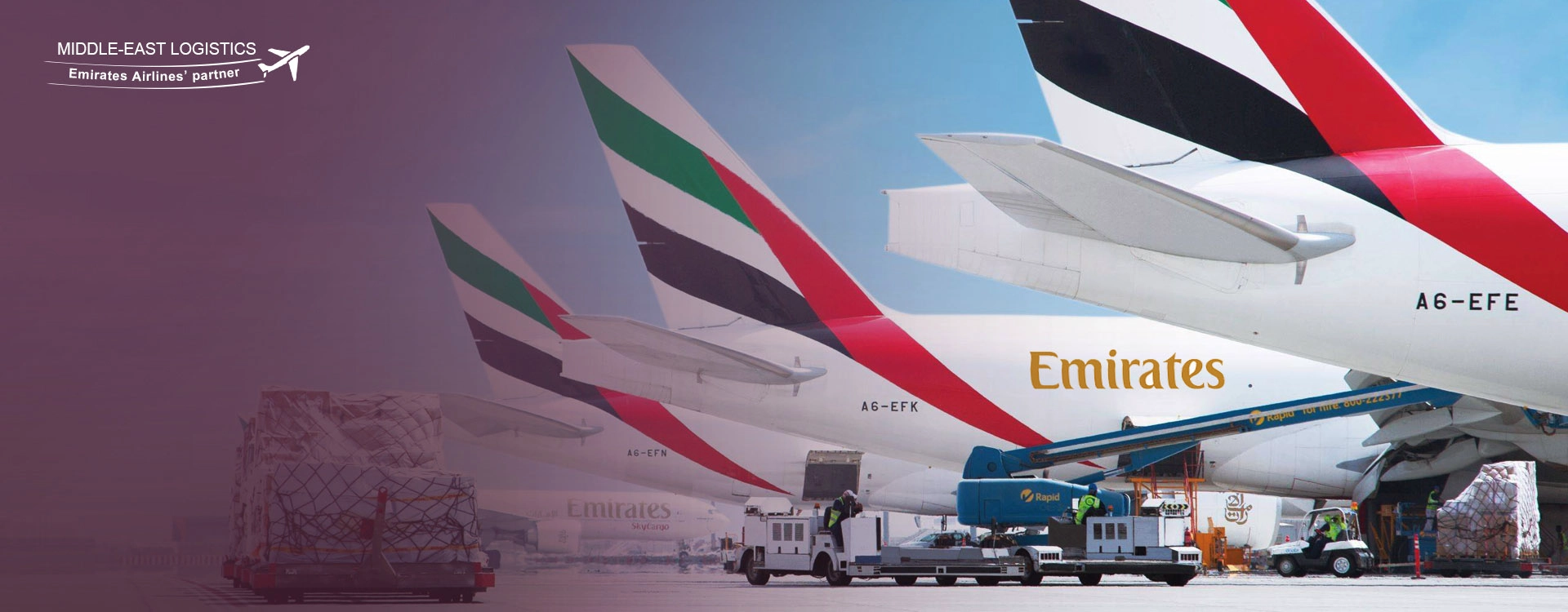
We have long-term block space with two airlines. We lock pallet space directly with the airlines. Before quoting, we check whether this cargo can fly and which flight fits. I also told Mr. Lin the truth. Most companies in this market are small freight forwarders. They cannot get pallet space from airlines themselves. They look for space from one another in the market and pass the cargo through several hands. Each hand adds a layer to the price. When there is a space crunch or weather flow control, cargo that has been passed around is the first to be bumped. Some also quote low to win the order. After the cargo goes out, they charge again for fuel surcharge adjustment or customs inspection. That is where the difference in those low quotes came from.
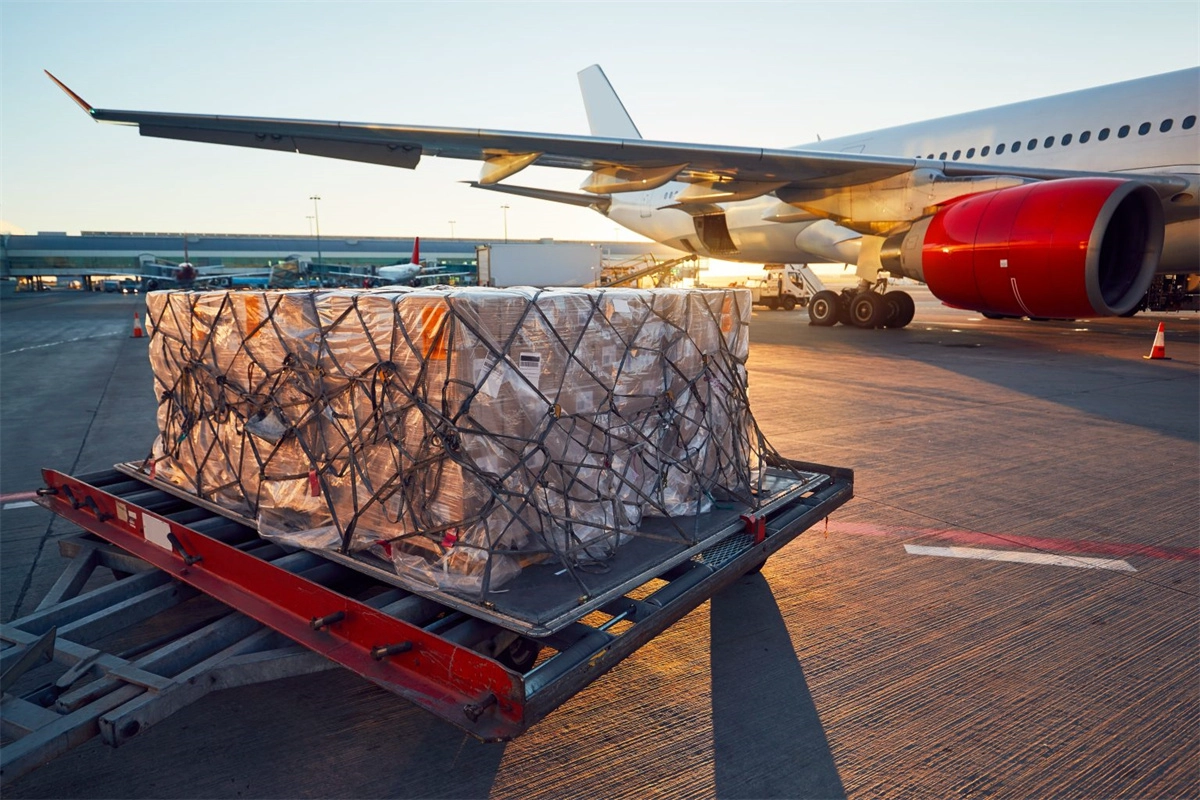
The process was smooth at first, but we got stuck on pallet space in peak season. Mr. Lin's measured data was 3.4 m long, 2.2 m wide, 2.3 m high, gross weight 5.2 tons. We locked the original flight based on that. Just before cutoff, the airline told us that the main deck large pallet space on that freighter had been taken by several big customers. The belly could not take that weight and width. In the queue, this oversized piece could very likely be bumped.
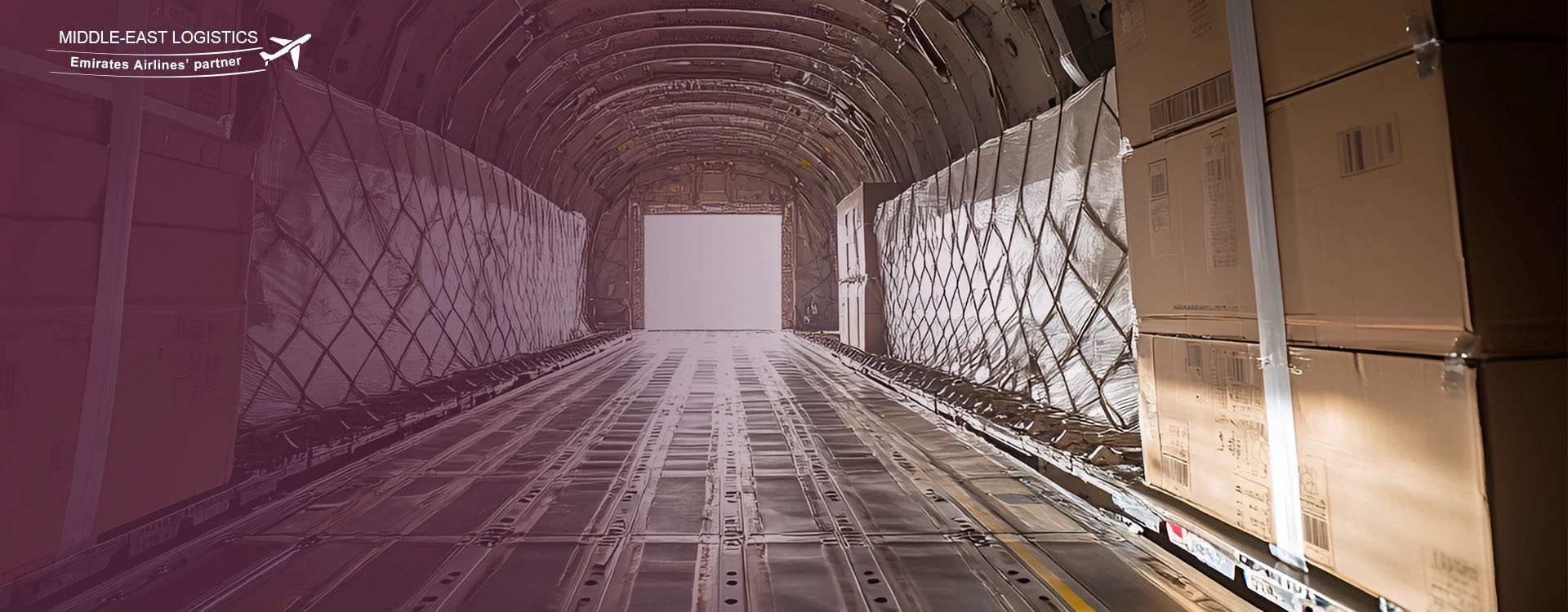
That would waste time. There was no way we would take that plan. The same day, I asked the airline to recheck the cargo door, large pallet weight limit and size limit on the following freighters. We had to squeeze out one pallet space no matter what. In the end, we switched to a main deck large pallet space on a 747 freighter. The warehouse rushed the pallet build. We put wood shims under the wooden frame to level it, recalculated the center of gravity, tied down all four corners, took the center of gravity chart and securement photos, and sent them to the airline for review. We pushed the paperwork in parallel so the cargo would not sit in the warehouse. The equipment got on the plane on time. If any step had been slower, you would lose at least one day and the delivery date would slip. Look at the timeline: on day one, a dedicated truck moved the cargo to the consolidation warehouse while we locked the flight pallet space and finished customs declaration. It took off on the afternoon of day two.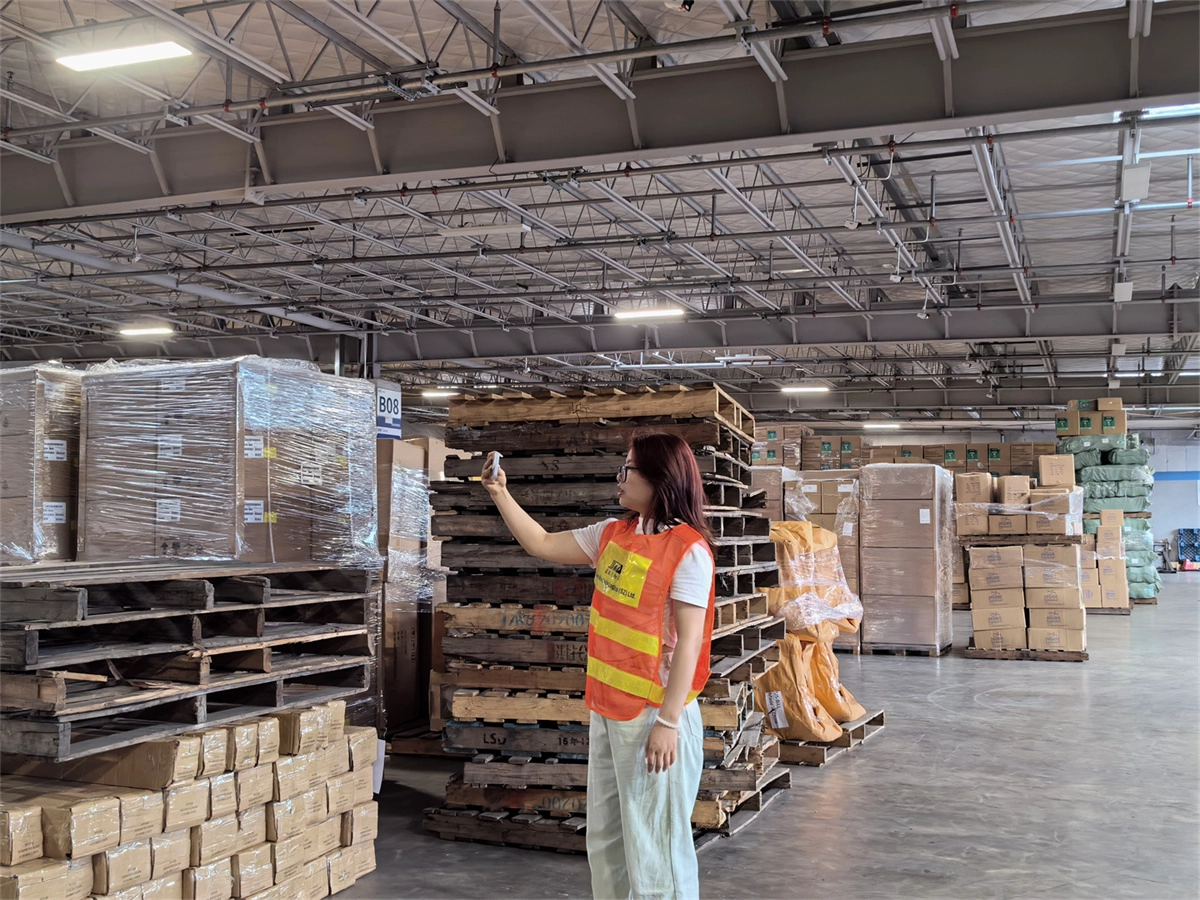
It landed at Dubai airport on the morning of day three. Customs clearance is the same story. Many small freight forwarders have no local customs clearance or delivery team. After taking the order, they subcontract it to a bigger forwarder, and that adds another layer. Too many layers are the worst. Communication is slow, information is late, and if customs holds the cargo for inspection, no one is there to follow up. It is hard to promise timing. We have a customs clearance and delivery team with more than 20 years of experience. Our cargo volume is large, so our cost per shipment is lower. Small forwarders often pass cargo to us for help. We can coordinate with customs. For general cargo that takes two or three days in the queue, we can review documents, pay fees and get release in about two hours. A dedicated truck moved it to the overseas warehouse. It was delivered in the afternoon and reached the Jebel Ali warehouse around evening. The UAE is not big, so delivery distance is limited. This kind of seamless handoff is not something every freight forwarder can do. It comes from years of resources and experience.