



















Practical Tips for Air Freight to Middle East – Sensitive Liquid Clearance
Taha bought 300 drums of industrial water-based cutting fluid (20L each, total 6.8 tons) from Shenzhen and needed them flown to his Dubai factory. His previous forwarder got the goods held for 9 days because the MSDS didn't match Middle East customs format. He switched to another provider and this time everything went smoothly with no delays.
From this case, we can pull out four key control points for shipping sensitive liquids by air to the Middle East. Here they are for reference.
Point 1: Document Prep – Don't Stop at the Usual List
For sensitive liquid exports, you normally need MSDS, air transport identification report, packaging certificate, dangerous goods pack certificate, etc. But many people miss this: destination customs may have extra registration requirements.
For the UAE, water-based cutting fluid falls under industrial hazardous chemicals. Besides regular papers, you also need the "UAE Ministry of Industry Hazardous Chemical Import Registration Form". The importer must apply for this in the ministry's online system before shipping, get a registration number, and submit it with other clearance documents. Without it, even a perfect MSDS won't save you – customs will reject or hold your goods.
Practical tip: Before taking an order, always check the destination customs' specific rules for that exact product name. Different products and different chemical compositions may have completely different requirements.
Point 2: Route Choice – Direct Flights Beat Transfers
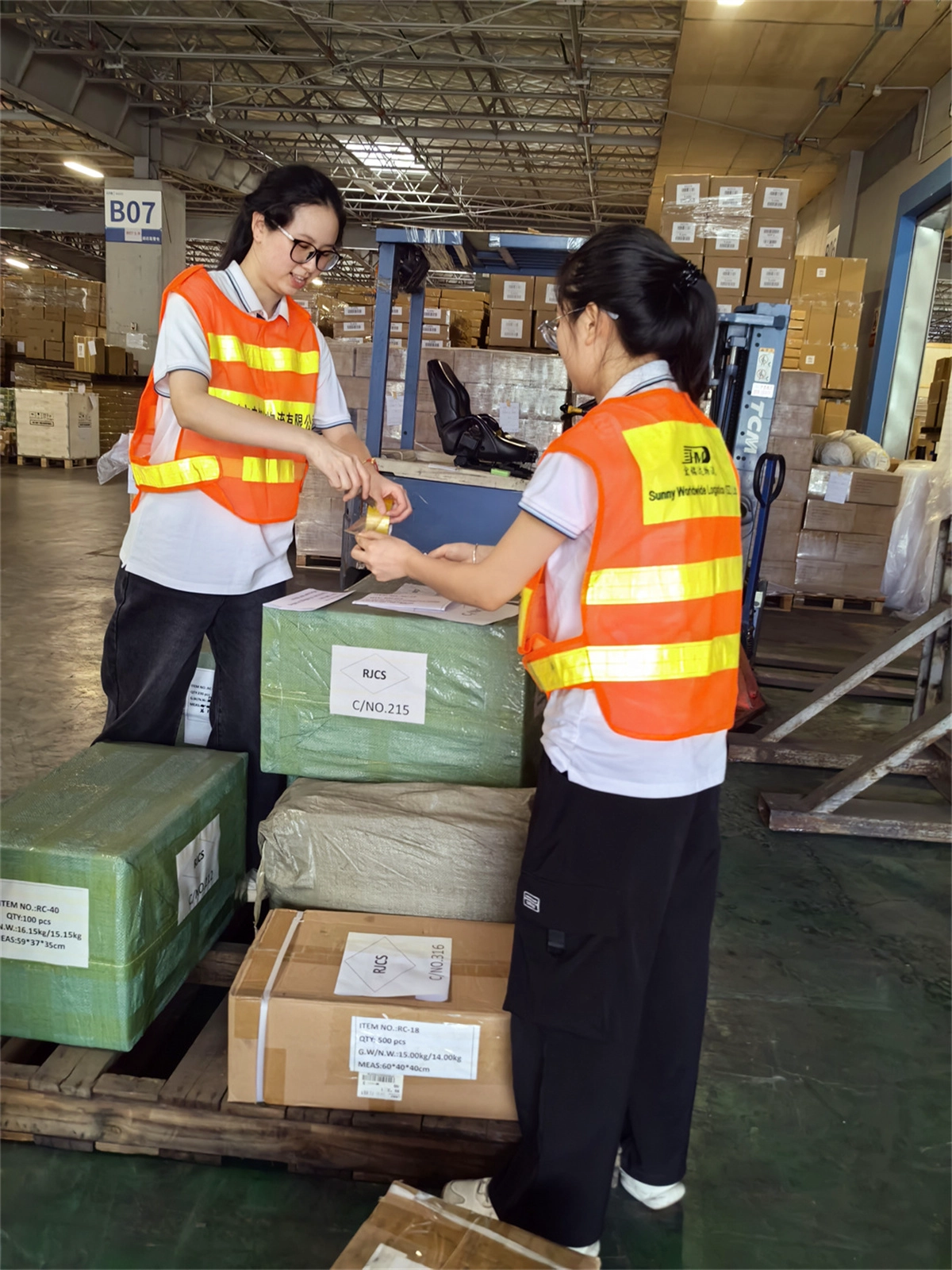
The biggest risk for liquid cargo during transport is package damage and leakage from handling. Every transfer adds extra lifting, towing, and ramp operations – which increase leak probability.
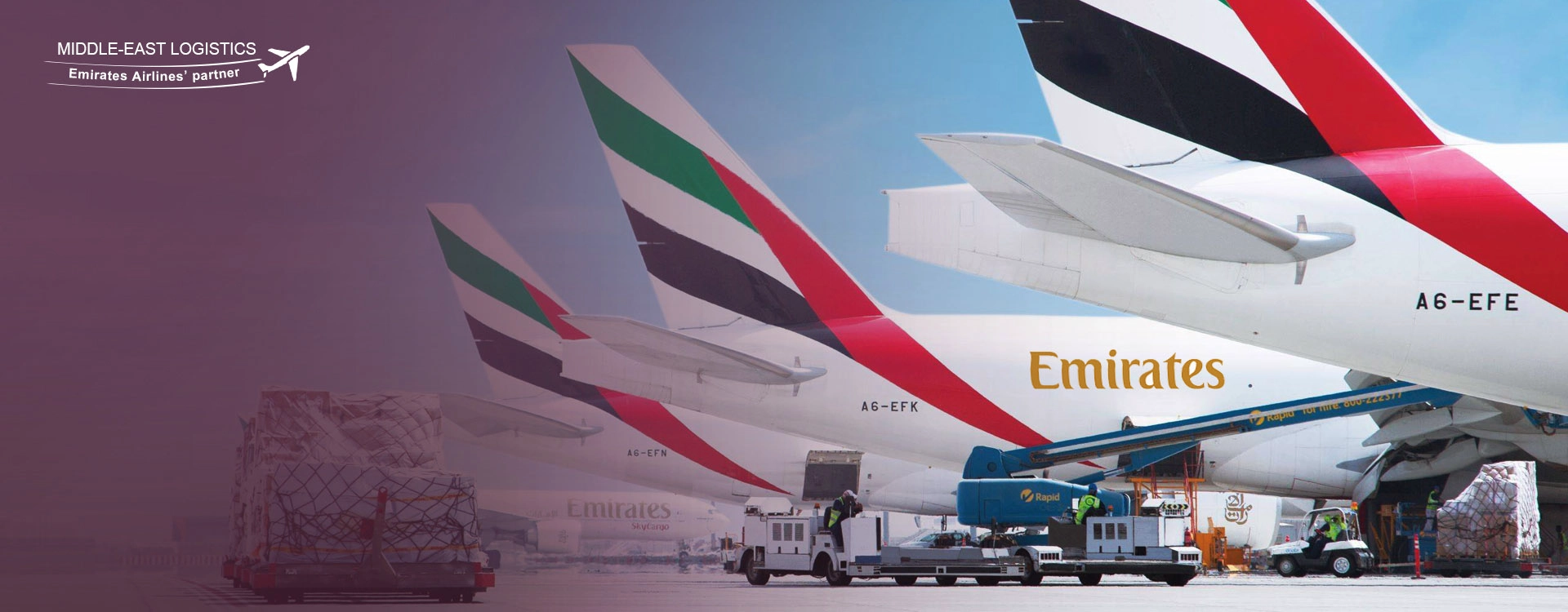
In this case, they used a direct flight (EK365) with 9 hours flying time and no transfers. Compared to a connecting flight, handling times are reduced by at least 2–3 times, which makes a big difference for liquid safety.
Also, direct flights give you better time control. If space is tight, working with a forwarder that has fixed pallet space helps secure your booking and avoid offloading delays – which is critical for time‑sensitive production plans.
Practical tip: For liquid air freight, choose direct routes whenever possible. If you must transfer, confirm that the transfer hub has hazardous cargo handling qualifications and temperature control if needed.
Point 3: Destination Clearance – Pre‑review + Dedicated Lane
Customs clearance is the biggest "hidden mine" for sensitive liquid air freight. Many shipments look fine before takeoff, but get stuck for days after landing because of document mismatches, long queues, or inspection delays.
Two practices from this case are worth learning:
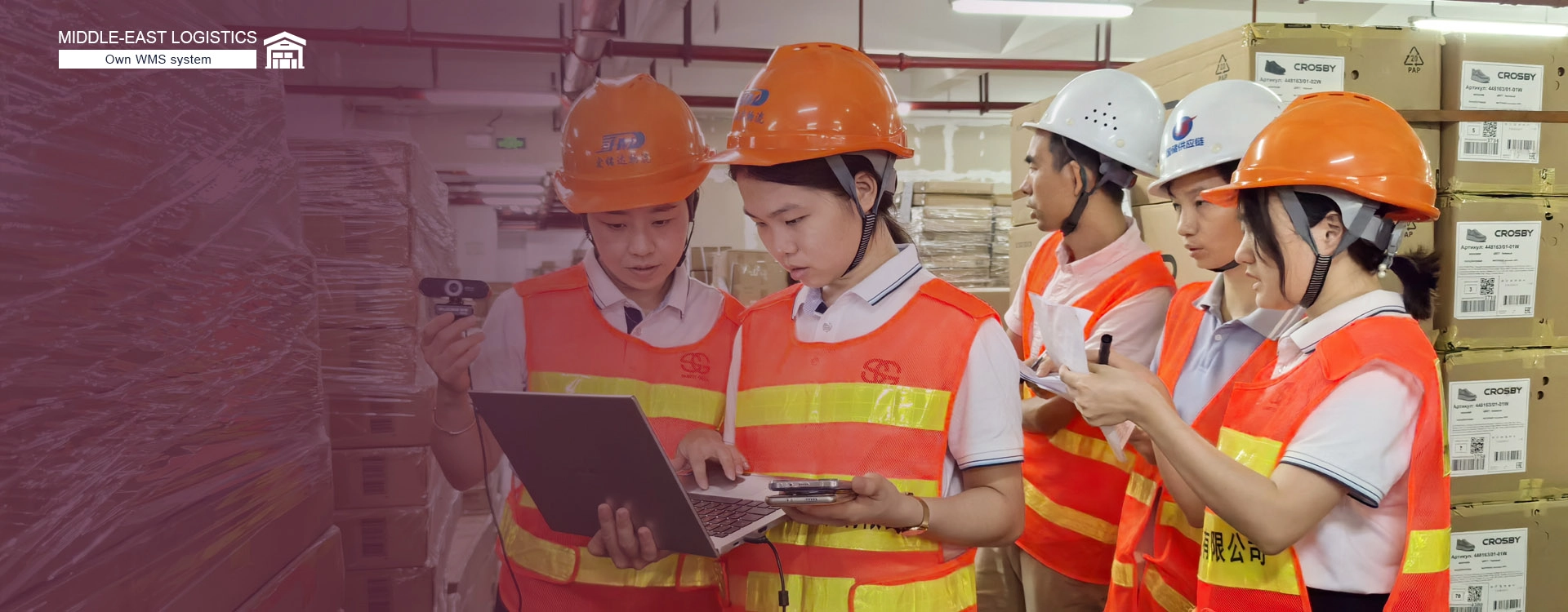
- Pre‑submit documents early – The clearance team reviewed all papers a second time and submitted them 3 hours before the flight landed. This gives time to fix system‑detected errors (e.g., weight units, product name spelling) before actual inspection.
- Use the dedicated hazardous lane – Dubai customs has a separate clearance window for hazardous chemicals, so you don't have to wait in the regular long queue. But to use it, you need complete documents, a valid registration number, and both shipper and consignee must have proper hazardous chemical operating qualifications. Without those, the lane is not accessible.
Practical tip: Learn the destination port's hazardous chemical clearance process in advance. Confirm that your consignee has import qualifications and finish all online registrations before departure. Don't wait until the cargo arrives.
Point 4: Last‑mile Delivery – Local Resources Decide Speed
After customs release, the goods still need to be moved from the airport warehouse to the final factory. The delivery time depends on two things:
- How fast customs clears (see Point 3);
- Local truck and warehouse availability.
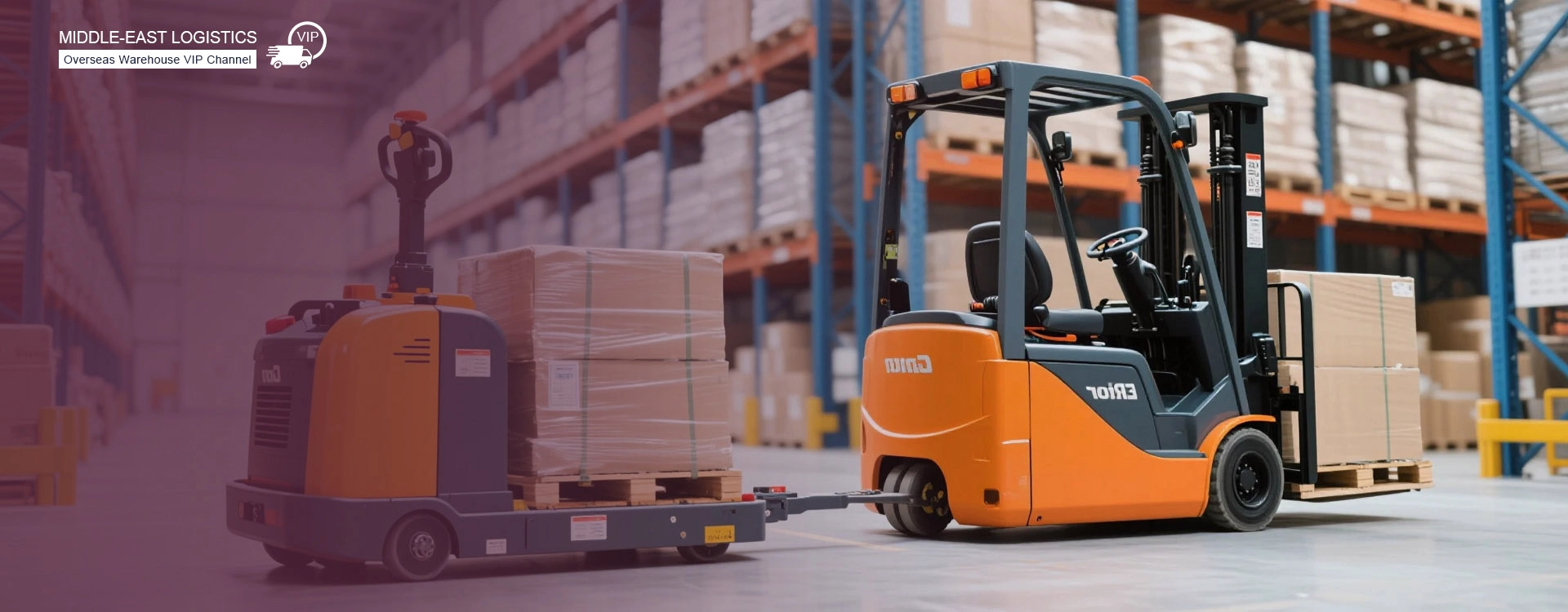
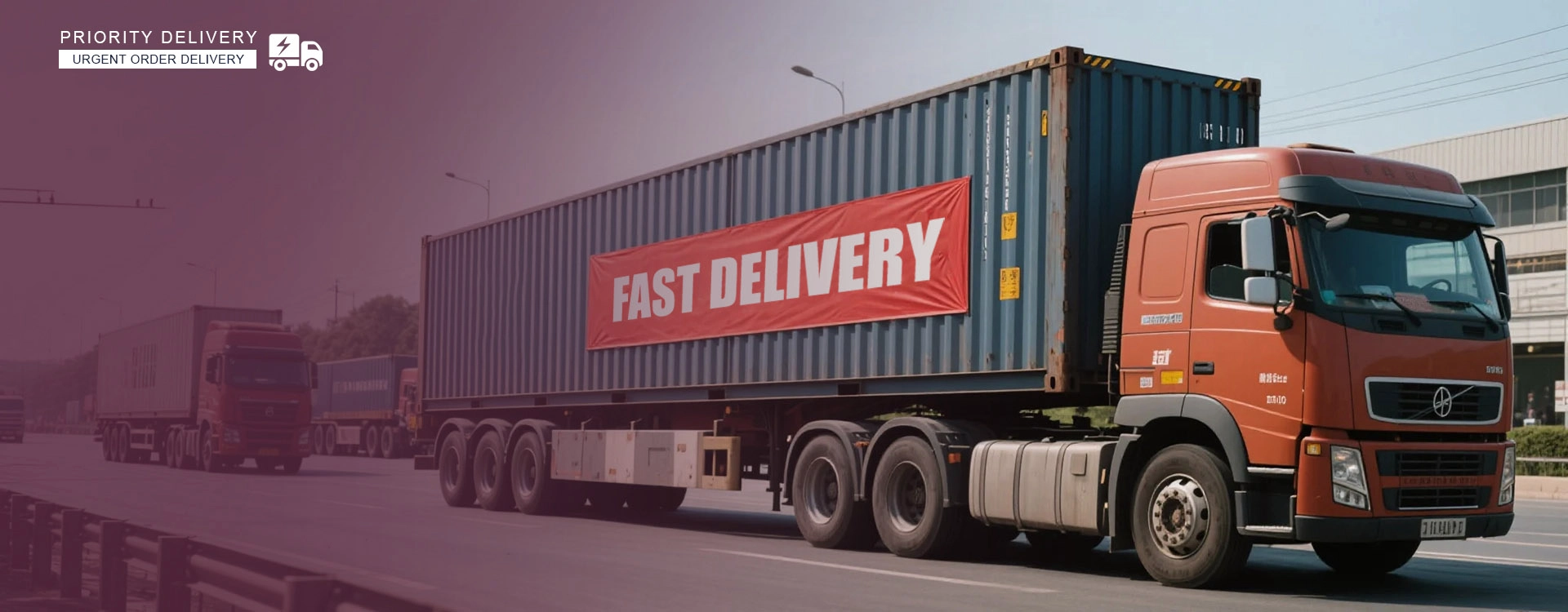
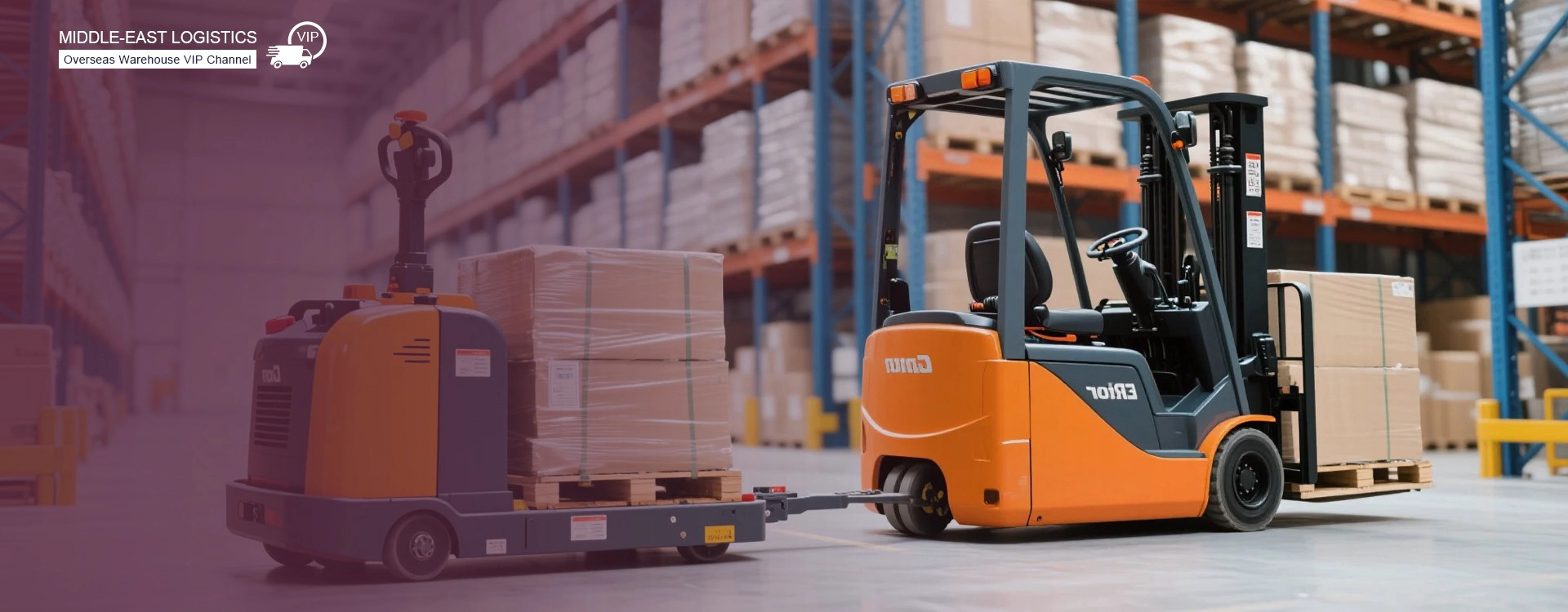
In this case of air freight to middle east, delivery was completed within 3 hours after clearance, which means they had arranged transport and unloading staff ahead of time. For large liquid shipments, delivery trucks need leak‑proof pallets, tie‑down straps, etc. – details easy to overlook.
Practical tip: Before shipping, confirm with your destination agent what type of truck will be used and whether the driver has hazardous cargo transport certification. Also, book the unloading time with the consignee so the truck doesn't arrive to an empty warehouse.