





















Air Freight to Middle East: 5 Practical Steps for Sensitive Cargo
If you ship valuable or delicate items via air freight to Middle East, you've probably faced these problems: poor packaging causing damage, static issues leading to rejection, last-minute space cancellations, or losing track of your shipment. Here’s a real case that can help you avoid common pitfalls.
Case Background
A medical equipment factory needed to send 45 carbon fiber PEEK parts from Shenzhen to Dubai Medical Park within 9 days. Several forwarders failed because their packaging was weak or their space wasn't guaranteed. The client finally found a forwarder specializing in Middle East routes, and the delivery went smoothly.
Key Takeaways from This Case
1. Put "Delivery Date" and "Liability" in Writing
Many problems come from verbal agreements. In this case, the contract clearly stated "door-to-door delivery within 9 days", plus anti-static responsibilities, compensation terms, and mandatory tracking updates every 6 hours. Always ask for these clauses in your contract – they protect both sides.
2. Use Three-layer Packaging as a Minimum
Carbon fiber parts are sensitive to pressure, static, and oxidation. This case used:
- Inner layer: vacuum anti-static bag (blocks moisture and static)
- Middle layer: custom EVA foam slots (holds each piece in place)
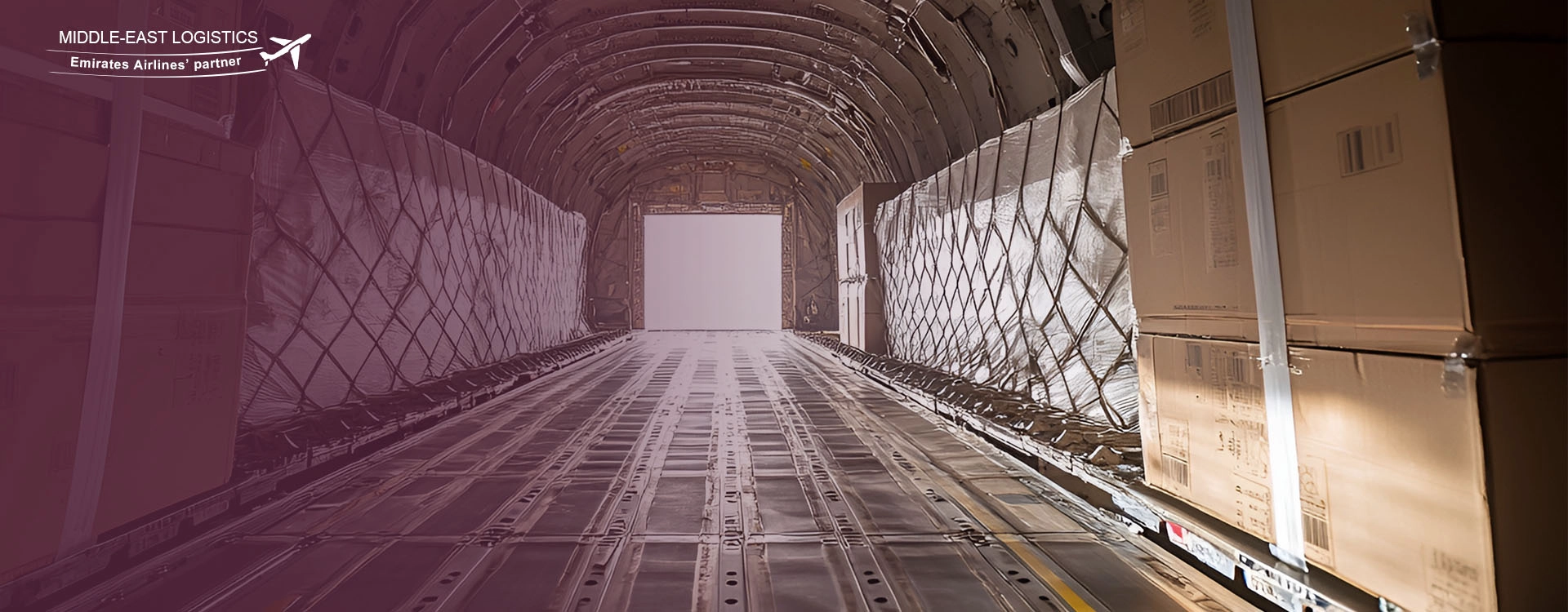
- Outer layer: anti-static corrugated carton (absorbs shocks)
This layered approach is standard practice. Ask your forwarder to send photos of each layer before final sealing.
3. Fixed Space Matters More Than Low Price
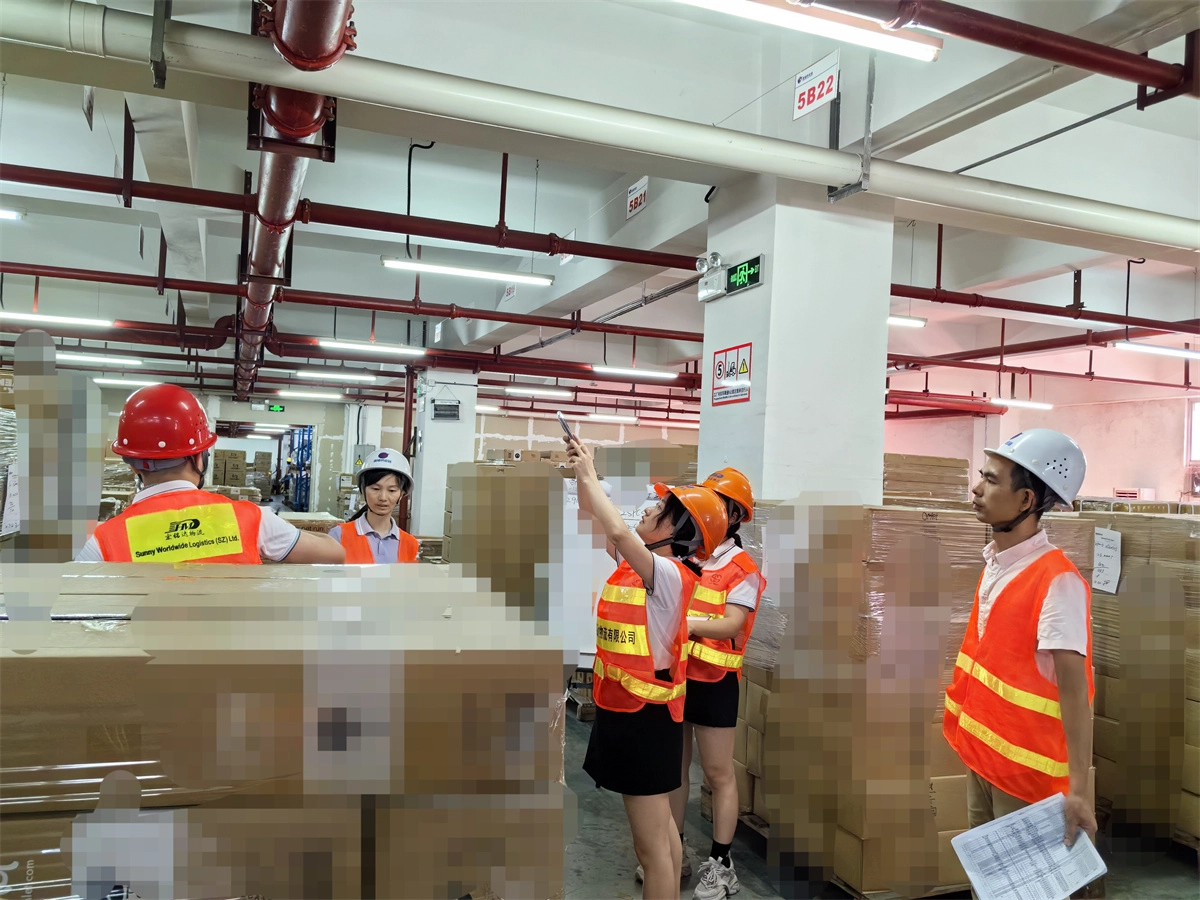
This shipment for air freight to Middle East took off on time because the forwarder had pre-booked two dedicated board positions for that Thursday – one exclusively for the high-value cargo, the other for regular goods. That prevented cross-contamination and wasted no space. When you compare quotes, always ask: "Is the space guaranteed? How many boards do you hold weekly?" A forwarder with stable space is worth the extra cost.
4. Demand Real-time Data Throughout the Journey
After takeoff, the forwarder sent updates every 6 hours with temperature, humidity, and location. This tracking kept the client informed without constant follow-ups. Make sure your forwarder offers a similar update schedule, not just a one-time "departed" message.
5. Plan Customs and Last-mile Delivery Early
The cargo arrived at Dubai Airport in the morning, was picked up at noon, and delivered to the park by 4 PM – a day and a half early. This went smoothly because the forwarder had pre-arranged customs clearance. So when talking to your forwarder, don't just focus on the air leg – ask: "Who handles customs and delivery on the destination side? Do you have a backup plan?"