















Air Freight to Middle East: Customs Inspection & Sensitive Goods Guide
If you’re worried about your sensitive goods being inspected when sending air freight to Middle East, you first need to know the 5 types of customs inspection.
-
The first type is X-ray scanning for the whole shipment. This inspection takes 2 to 3 days. Sometimes you may not even notice it, as there is almost no delay in transit time.
-
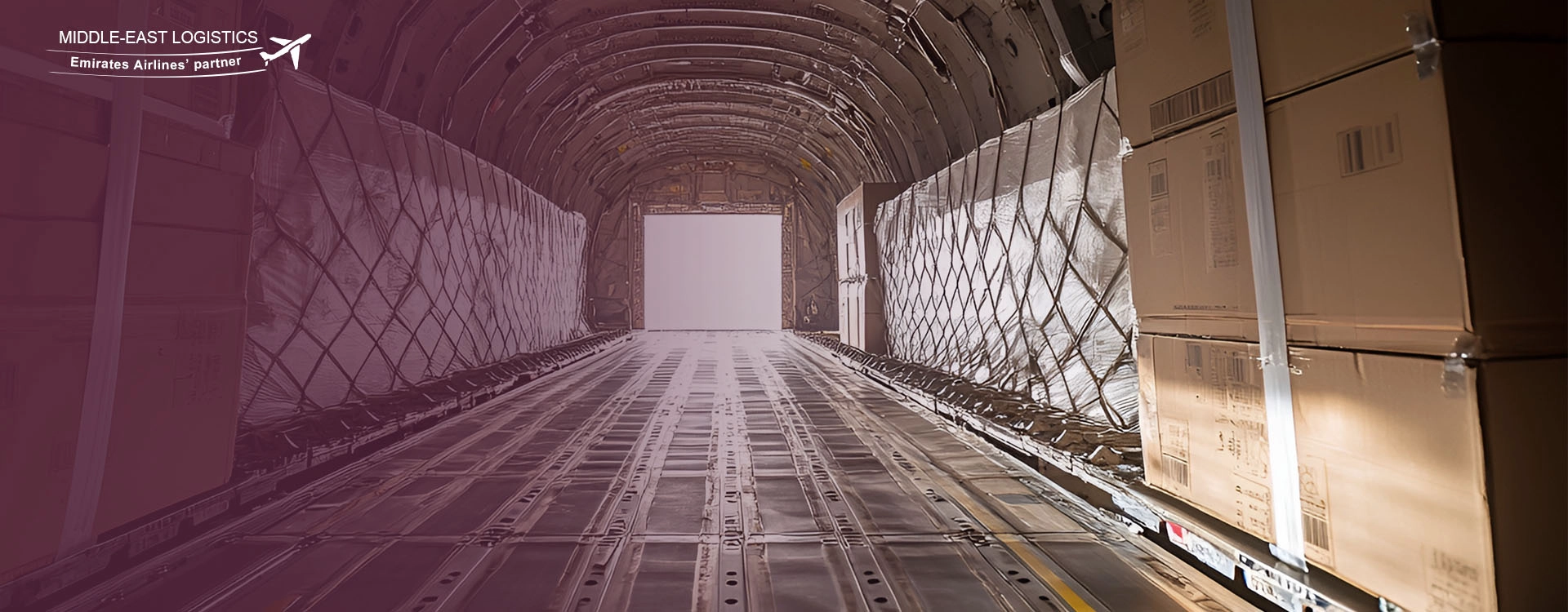
The second type is unpacking inspection, which has different levels. One is Open gate inspection – customs just open the container door for a quick check and close it if everything looks normal. This kind of inspection usually finishes in about 2 days.
-
The third type is partial inspection. Customs will unload half of the goods, either from the back to the middle of the container or straight inside. After checking and finding no issues, the shipment will be released. This normally takes 3 to 5 days.
-
The fourth type is full inspection. This takes the longest time. Customs will unload all goods, count each carton one by one, and open every package to check if the cargo list is accurate. It usually takes more than 7 days. Luckily, full inspection is not very common. It mostly happens when customs find major discrepancies between the goods and the list during Open gate or partial inspection, then they will upgrade to full inspection. This is the strictest type and has the longest delay.
-
The fifth type is document checking. If customs doubt the documents after arrival, they will hold the goods first and verify all paperwork. Once all required data and certificates are confirmed correct, the goods will be released. Similar to X-ray scanning, it is very fast, often done in 1 to 2 days.
-
If your goods are held in the inspection area for a month and still not released, there must be a serious problem with the inspection.
-
More importantly, to avoid inspection when sending air freight to Middle East, you need to know which goods are considered sensitive. The most common sensitive goods shipped in the market include food, branded products, electronics with batteries, cosmetics, local specialties, liquids and powders, daily medicines, health supplements, and so on.
-
Why are these products classified as sensitive goods? With the rise of cross-border e-commerce in recent years, many small commodities from China are exported overseas. When sellers purchase these products, they cannot provide the necessary documents for customs declaration and clearance. So they have to use unofficial logistics channels, and all these goods are categorized as sensitive. For regular trade businesses, if you can provide complete and legal documents, these goods can actually be shipped as general cargo.
-
The most important thing for exporting sensitive goods is to choose a reliable freight forwarder to avoid goods being detained. Small unprofessional forwarders often operate against regulations, so it’s no surprise if your goods get held. What makes a reliable freight forwarder?
-
First, if goods are detained or lost, they can pay compensation as promised and make a one-time payment within the agreed time. Second, the service is safe and stable – the lower the risk of detention or loss, the better. Third, the shipping cost should not be too cheap. Many people wonder why, since choosing cheap logistics helps cut costs. As the old saying goes, cheap goods are rarely good. The same applies to logistics. Safe and stable channels cannot be extremely cheap. The lower the freight rate, the bigger the risk.
-
Take DL Logistics as an example. We have a large volume for air freight to Middle East, and we have built long-term relationships with local customs. We ship goods daily, so customs are familiar with us. Shipments suspected to be sensitive from other companies often get inspected, but ours usually do not. That’s because we declare every shipment truthfully. After 100 times of smooth inspections, customs no longer check our goods routinely. So our customs clearance is very fast – some shipments can be cleared in just 2 hours.