
















Is finding a freight forwarder like opening a mystery box? 5 tips to help you avoid the traps
Anyone who has been through the struggles of cross-border shipping knows: when you ship air freight to middle east, the biggest risk is falling for a low-price trap — slow transit times, terrible after-sales, or even disappearing customer service. Don't panic. Just follow the checklist below, and you'll find a reliable freight forwarder.
1. Check their qualifications and how long they've been in business
First, ask for their business license and logistics certifications. Then find out where their warehouses are located. If they don't even have a physical company address, run away. Keep it simple: skip any company that has been in business for less than 5 years. The older the company, the better. This industry is basically a brokerage business, and profit margins are thin. A company that survives for a long time must have its own solid way of staying in the game.
2. Ask about their services — watch out for tricks
Does their service cover everything from pickup in China to final delivery abroad? If they only talk about low prices but never mention customs clearance and delivery, just cross them off your list. Having many routes doesn't mean they're good at any of them. A forwarder that focuses deeply on specific routes will give you better reliability and pricing. There are also good verification tools out there, like Tianyancha, Trust in China, and official market supervision bureau websites. Use them to check whether the company has any record of bad faith, lawsuits, or legal disputes.
3. Get a detailed quote — avoid the deep traps
If they can't give you a clear, detailed quote, ignore them. Be very careful about extremely low prices. Before you ship, always double-check whether there are any hidden fees. Then go deeper — test their knowledge. Call them up and see if the salesperson is professional and patient when answering your questions. If they seem sloppy or vague, move on to the next one. Once you decide to work together, set up a dedicated project group chat. A forwarder that uses messy team coordination or communicates through personal accounts is a big risk. Only trust those that use official company accounts and assign a dedicated person to follow up on your shipments.
For a safer choice, you still need to get in touch — make a phone call, or even better, meet in person. What are your needs? What can the forwarder promise you? Typically, a company that offers very low prices and says yes to everything you ask is a red flag. Companies that care about risk management and profitability are actually more trustworthy. After all, making money is the iron rule of any business.
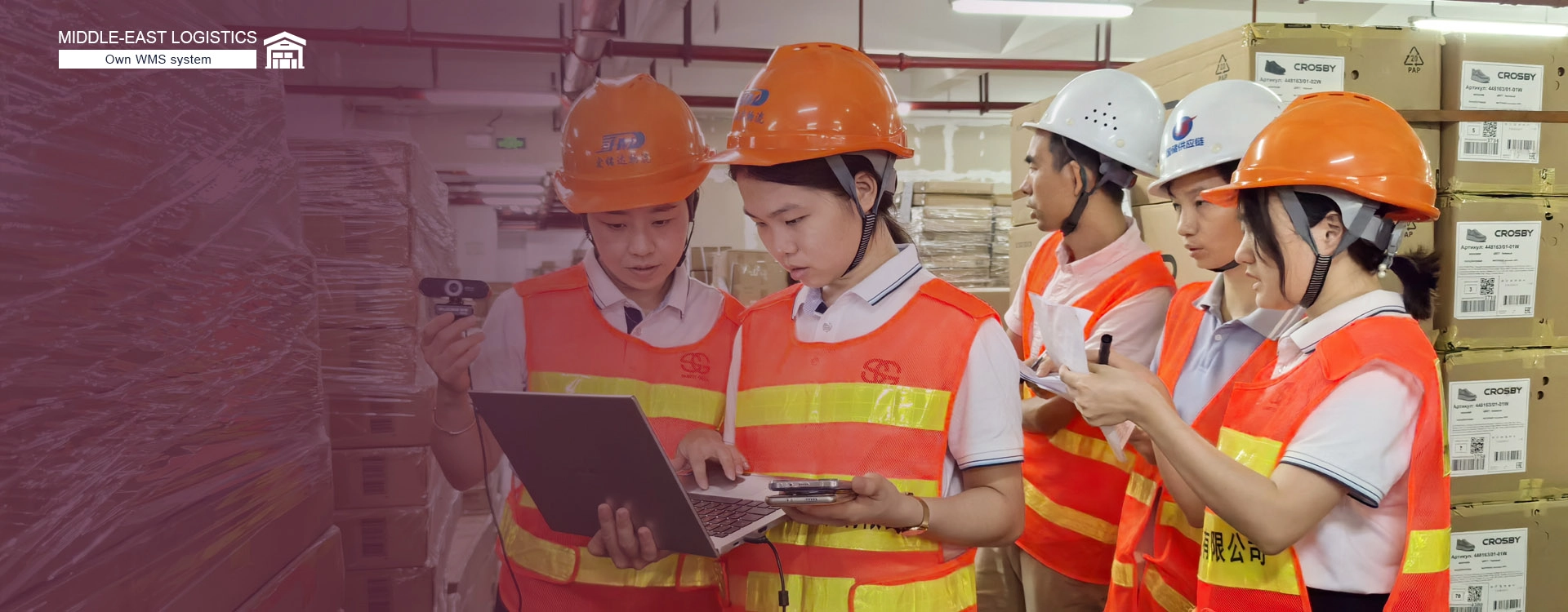
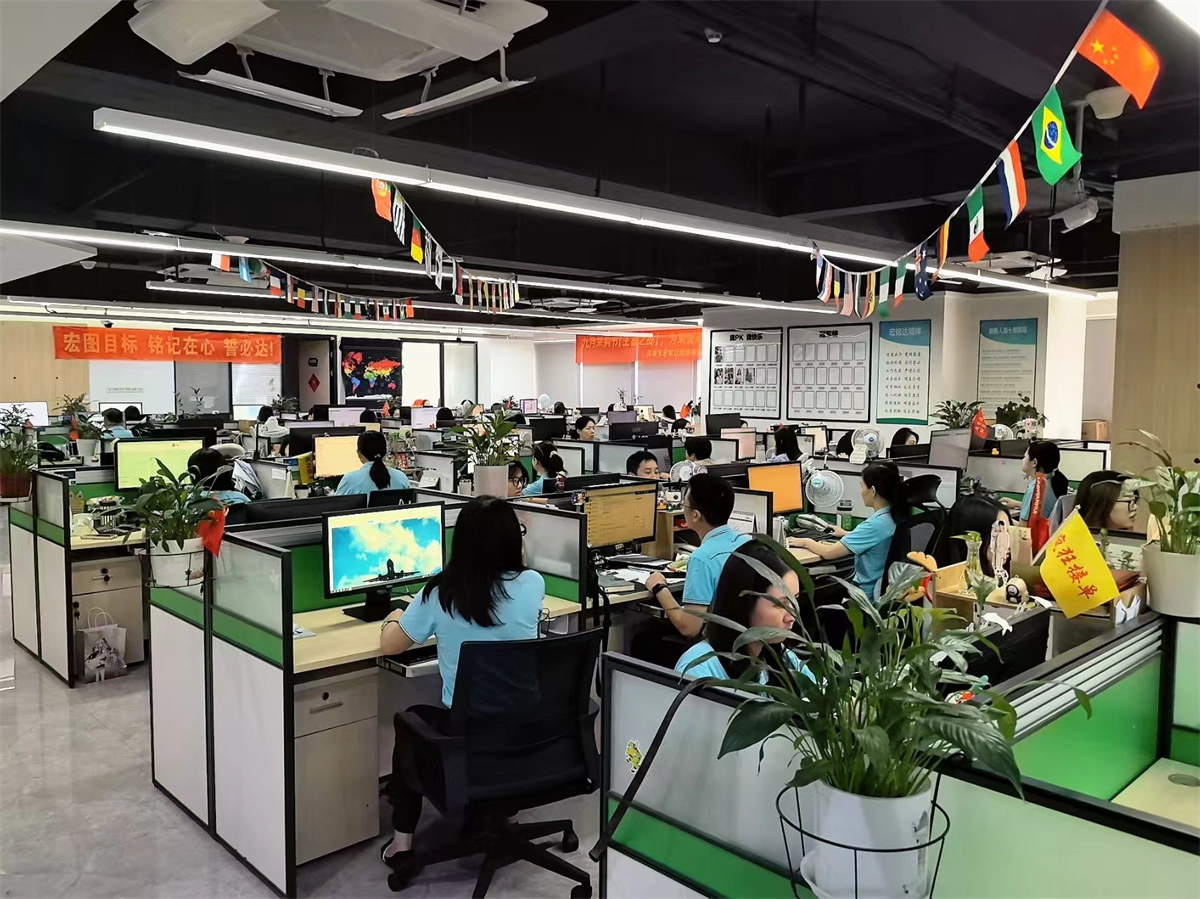
If possible, visit the company's office. Look at how many people work there, the work environment, and the office location. Take our company DL as an example: we have nearly 100 employees, and we fully own the entire 8th floor of Rongde Times Square Tower B in Longgang District. This is nothing like those small forwarders run by 3 to 5 people renting a tiny 20-square-meter office. We are in the top 3% of air freight to middle east forwarders. With a forwarder like this, what's there to worry about?
After the pandemic, many small new companies have popped up in this industry. That doesn't necessarily mean they're bad — some might just have two or three people working from home. But when problems arise, their ability to handle risks, solve issues, and their overall experience are often very limited.