














Chips Sent By Air Freight To Middle East, Other Forwarders Just Ship, We Follow Customs Policy To Save 60,000
Mr. Lu recently had a shipment to send. It was high-value microcontroller chips, worth over 4 million in total, going by air freight to the Middle East. He is an old client of ours. I basically handled the whole thing from start to finish. Just around that time, I heard some inside news that UAE customs might lower the tariff on electronics next month. I told Mr. Lu right away. He was very interested. We talked it over and thought, why not delay the shipment until next month? That would save him a good amount of shipping cost. Later he checked with his customer over there and they said it was okay, but the shipment had to go out at the beginning of the month, no more delays, otherwise they would be fined. Afterwards he gave me a thumbs up and said I really think from the customer's perspective.
We have been doing air freight to the Middle East for almost thirty years. We are not like those small forwarders who just ship things without looking at policies. I am indeed sensitive to policy changes, especially in a country like the UAE. They adjust tariffs and change rules all the time. If you don't pay attention, you will get burned.
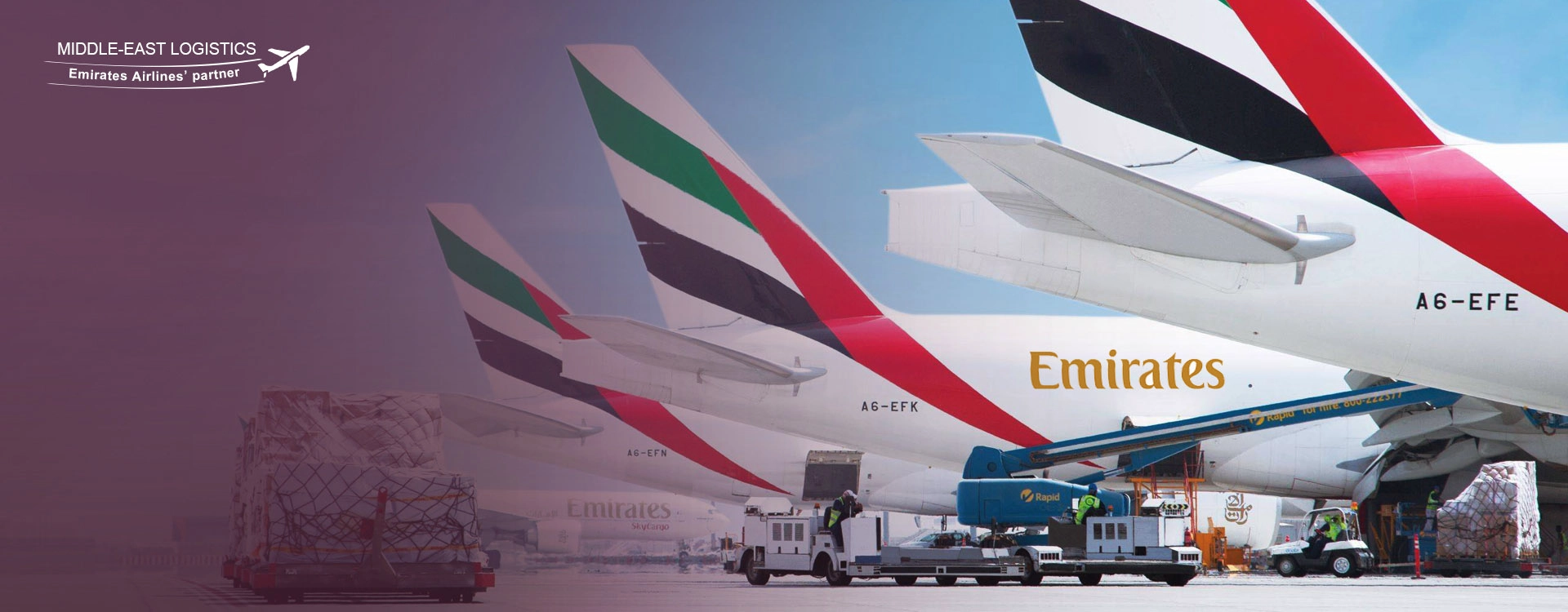
When the end of the month came, I started preparing all the paperwork. Chips are high value goods and have very strict time requirements. The biggest worry is something going wrong in the middle. Luckily, we are a primary consolidator for air freight to the Middle East. We buy space on a weekly basis, so we don't have to scramble for舱位 (space) at the last minute. After they synced the data, the space for the 1st of the month was locked in, and it was a direct flight, no transfers. This is very important because a direct flight reduces the time the goods are exposed to high outdoor temperatures. What Mr. Lu worried most was "unstable space", and I helped him avoid that problem in advance.
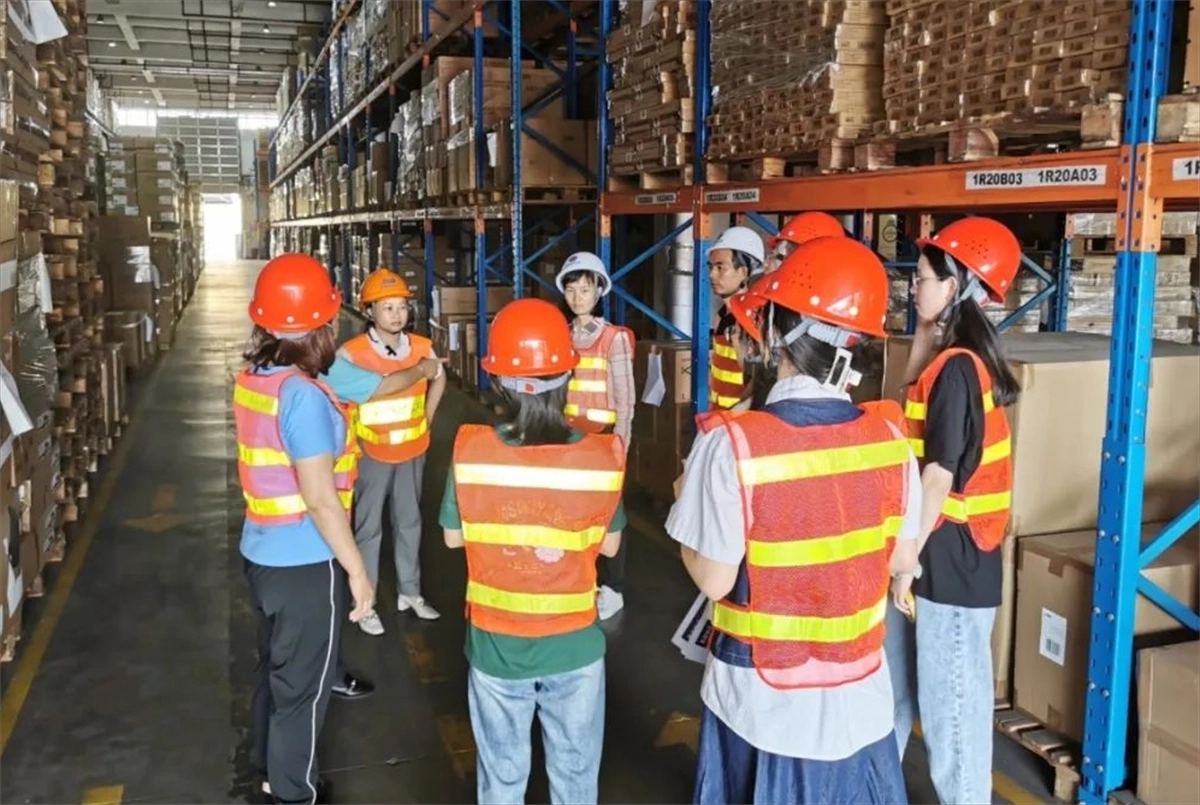
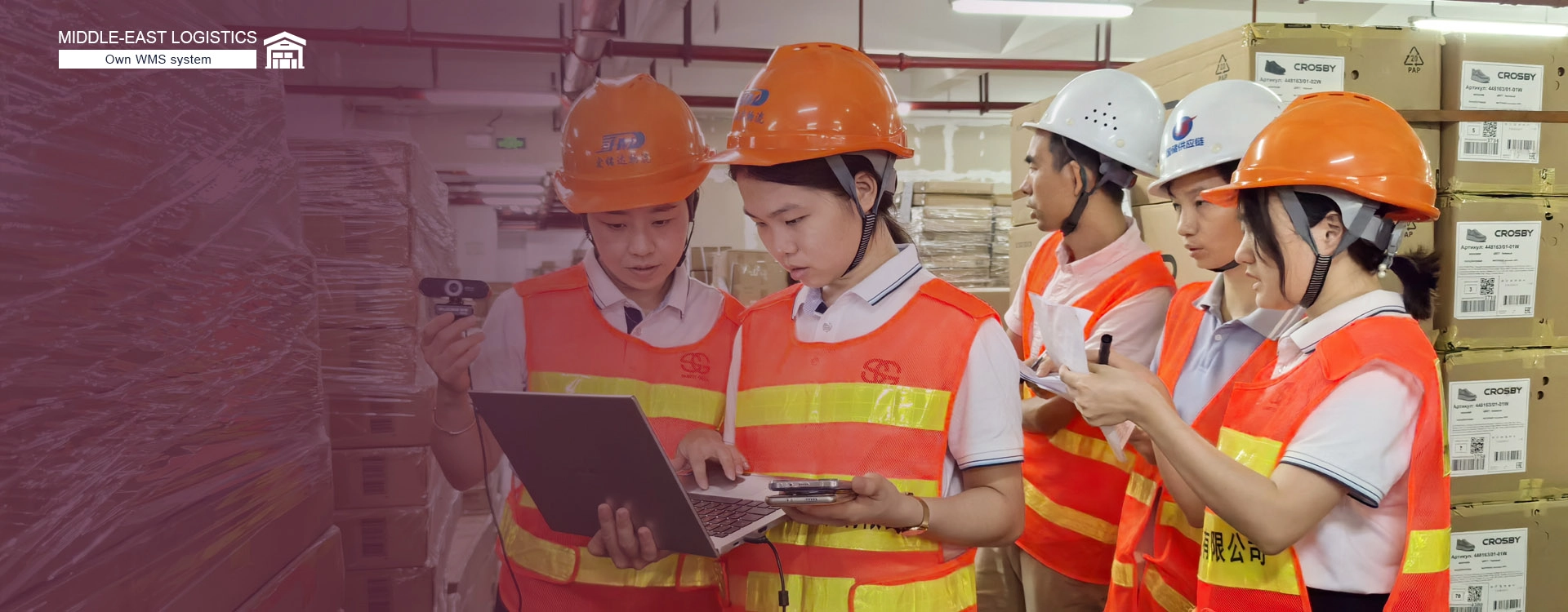
After the goods entered the warehouse, we started processing them. These chips are different from ordinary cargo. The biggest risk is electrostatic discharge (ESD) damage. So our first step was to measure the packaging's resistance value with an anti-static meter. It had to be within 10^6 to 10^9 ohms to pass. You need to understand that from loading to handling, every step can create static electricity. If you skip this step, everything else is a waste.
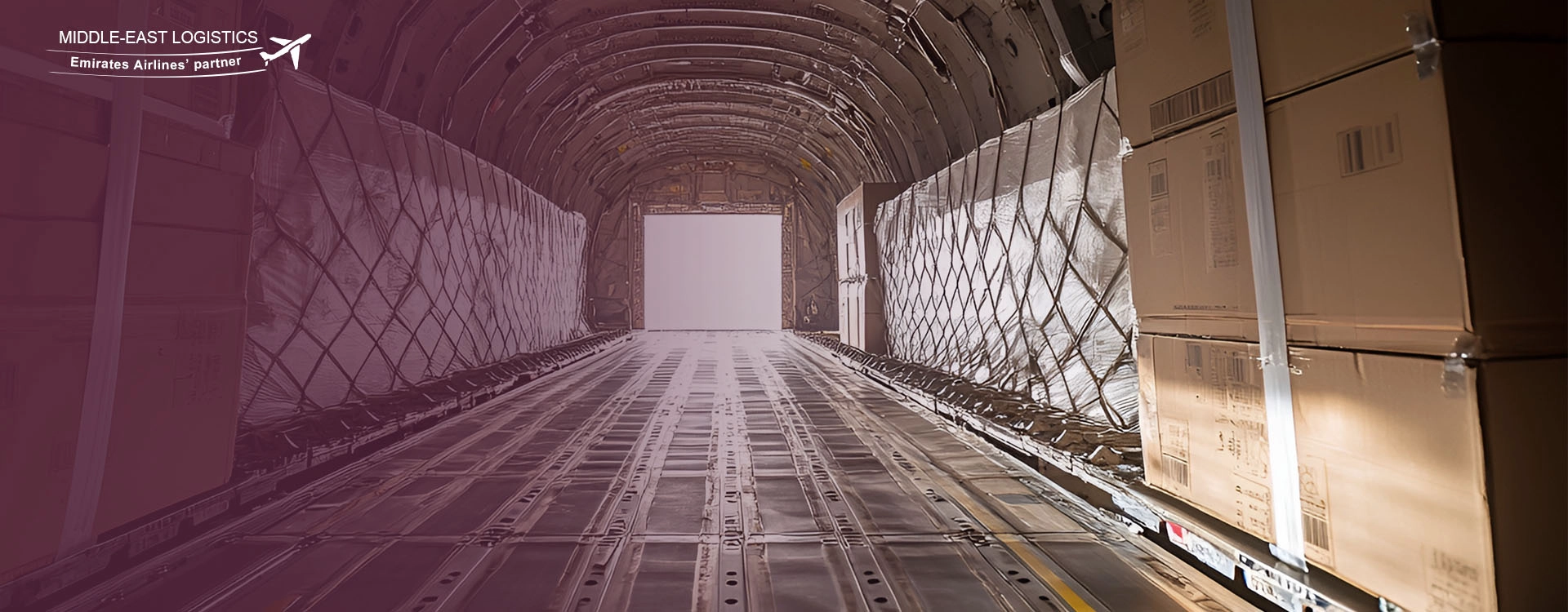
After measuring, we wrapped another layer of anti-static stretch film and added foam padding on the outside. Then we felt safe. This batch of goods was kept in a separate area. You needed infrared monitoring and two-factor authentication to enter, all to ensure nothing went wrong.
Before loading, there was another step: applying temperature control labels. Chips are very sensitive to temperature and humidity. Any small mistake can cause problems. Besides, Mr. Lu specifically asked me to pay extra attention to 1/3 of the shipment, which were core chips. So I separated those and put them in a temperature-controlled container.
Five days later, the goods arrived at the warehouse Mr. Lu designated, everything went smoothly. Most importantly, the UAE tariff really dropped by 1.5%. I did the math for him: 4 million x 1.5% equals 60,000. That was real money saved. Mr. Lu was pretty excited and gave me a big thumbs up, saying I did an excellent job. Well, hearing that felt quite rewarding.