

















3 Conditions You Must Confirm with Your Freight Forwarder When Shipping to the Middle East
When choosing a freight forwarder for sea freight to the Middle East, I highly recommend you confirm these three points in advance. They have a huge impact on your export tax rebate, and more than 90% of companies get stuck on these issues.
-
Third, confirm with your forwarder whether the bill of lading provided is a forwarder bill of lading or a carrier bill of lading. If it is a forwarder bill of lading, ask if they can provide the carrier bill of lading as supporting document, which is required for your export tax rebate.
-
Fourth, check whether your forwarder is a non-vessel operating common carrier. If not, the forwarder bill of lading they issue may be invalid.
-
Third, ask if your forwarder can issue separate invoices, such as invoices for domestic transportation, customs clearance, terminal charges, and international transportation.
-
Similarly, when choosing a forwarder for air freight to Middle East, never only compare prices! Ignoring these three points may cause serious delays and unnecessary costs.
-
Fourth, clarify the detailed transit time. Don’t just rely on a vague “3 days delivery”. You must confirm the latest warehouse cut-off time and customs declaration cut-off time. Missing these deadlines will force your goods to the next flight and disrupt your entire order schedule.
-
Fifth, clarify responsibilities and safety procedures. Air security checks are very strict. Ask how issues will be handled if goods fail security inspection, and whether formal documents are provided during handover. Without clear communication in advance, disputes and buck-passing are unavoidable.
-
Sixth, the most important point: ask if they are a top-tier airline agent! This directly determines whether your goods will be offloaded or freight rates suddenly increased during peak seasons with limited space. Only top-tier agents provide truly stable space and reliable freight control.
Clarifying these three points helps you find a reliable air freight partner that saves money and trouble.
-
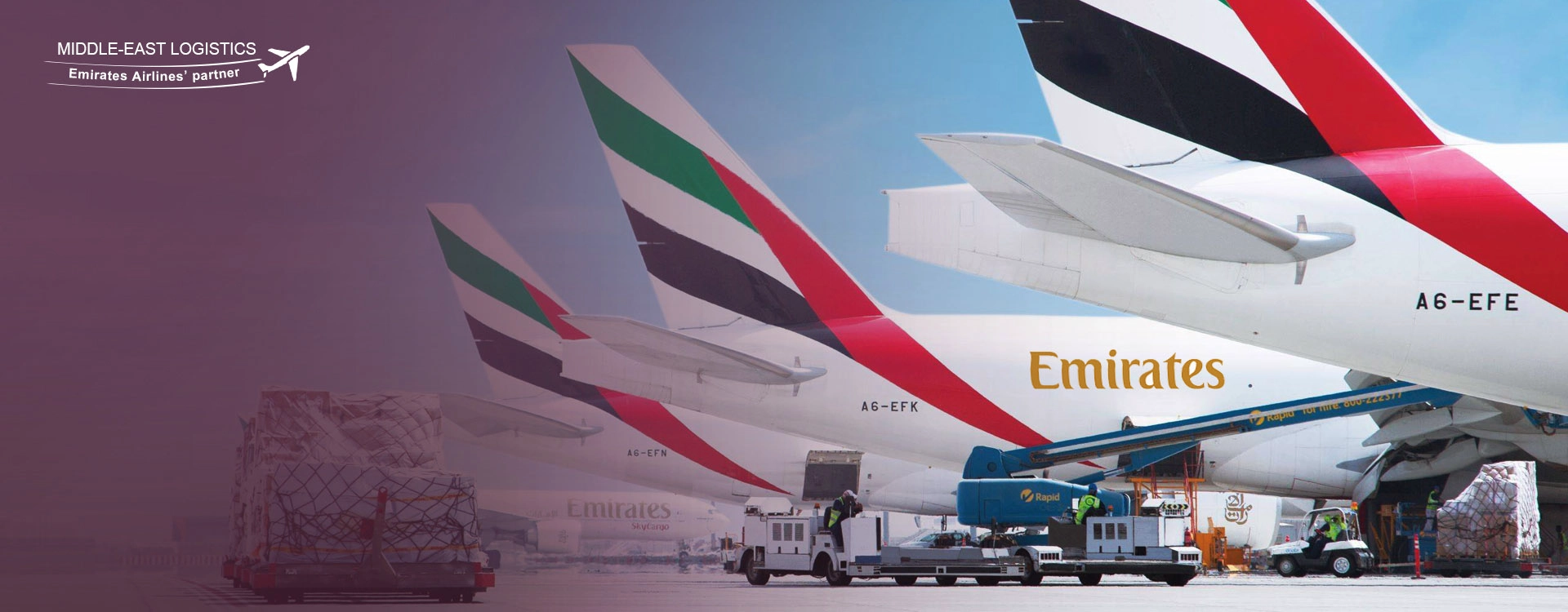
Take DL Logistics as an example. We regularly book 20 pallet positions per week with 2 major airlines, making us a direct carrier for air freight to Middle East, also known as a top-tier agent.
You might think having pallet positions for air freight is common. However, nearly 90% of forwarders handling air freight to Middle East are shell companies that only source space after receiving orders. Even better forwarders only secure 2 to 3 pallet positions per week. Our capacity is 10 times higher, reaching industry-leading level, and we are truly among the top 5 providers for air freight to Middle East.
-
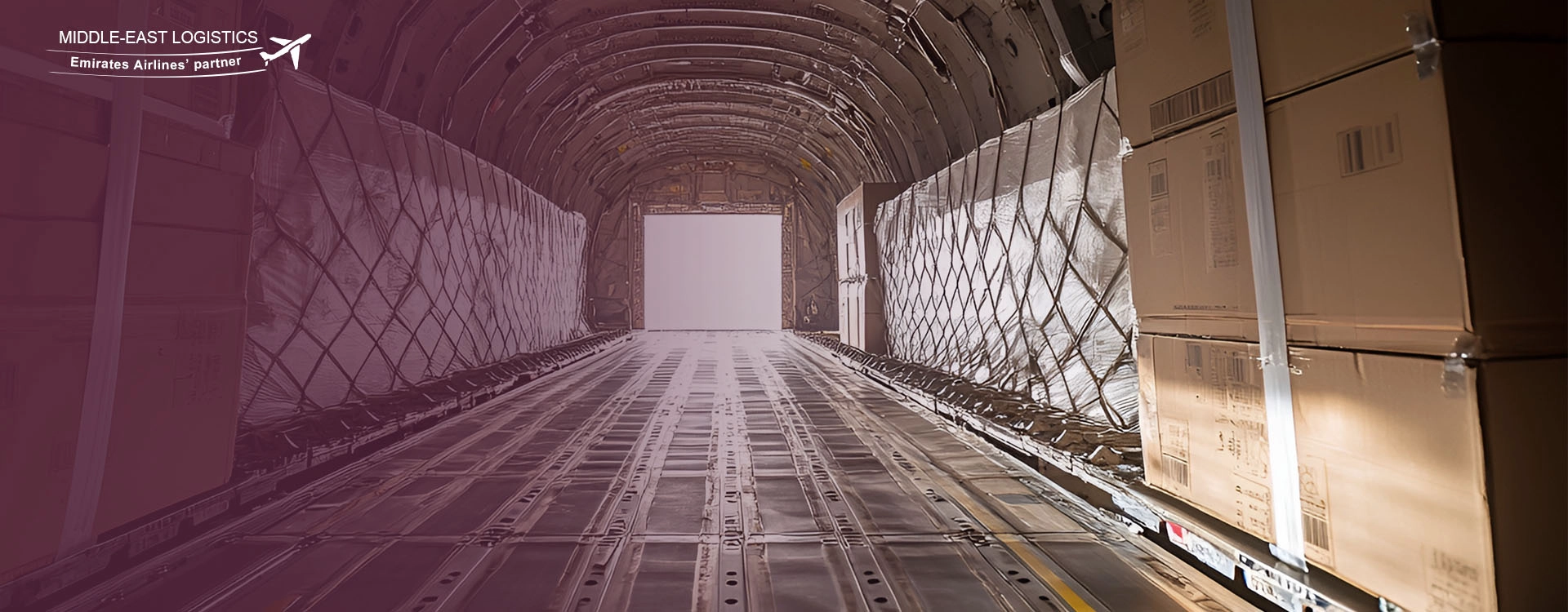
In addition, foreign trade traders must understand the difference between palletized cargo and loose cargo in international air freight. Palletized cargo usually has large single-piece dimensions and must be transported on wide-body aircraft, as narrow-body aircraft have small cargo doors and cannot accommodate items with any side exceeding 0.8 meters. All-cargo aircraft, of course, have fewer restrictions on single-piece size.
-
What is loose cargo? It refers to small packages such as cartons, bags, bundles, and other small shipments. Loose cargo is not loaded directly onto the aircraft. It must first be packed into standard air containers before being loaded onto the plane. Understanding these details will help you avoid mistakes when shipping via air freight to Middle East, air freight to UAE and air freight to Dubai.