Case 1
HIGH-VALUE PRECISION CARGO SHIPPING TO MIDDLE EAST: PRACTICAL TIPS TO AVOID CUSTOMS PITFALLS
With years of experience in foreign trade, I have learned that shipping high-value precision cargo is never just about low freight rates. Any customs clearance stuck, detention or delivery delay will not only cause economic losses, but also damage your brand reputation and lose long-term overseas clients.
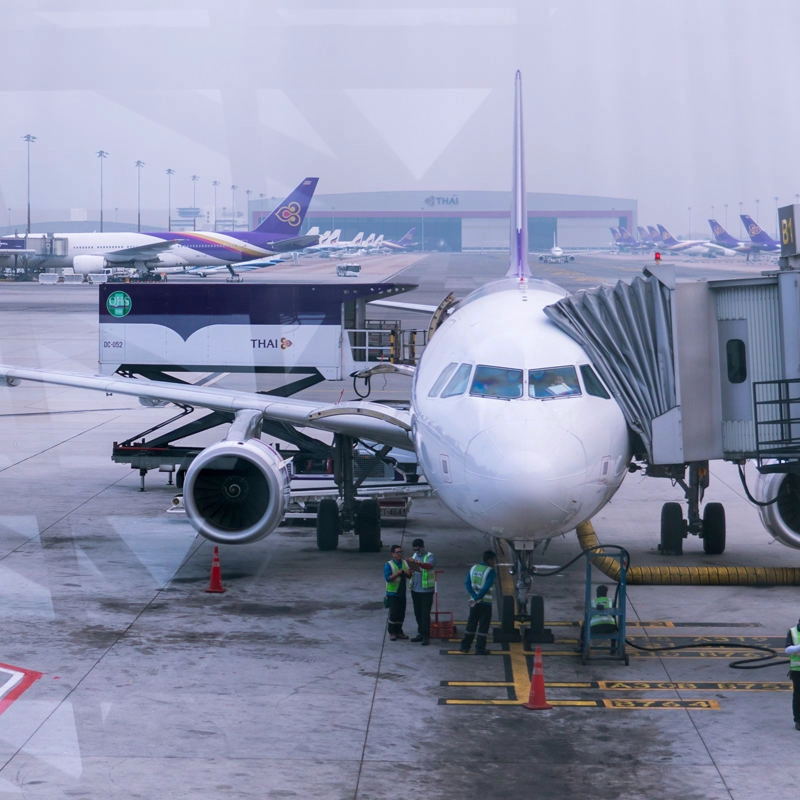
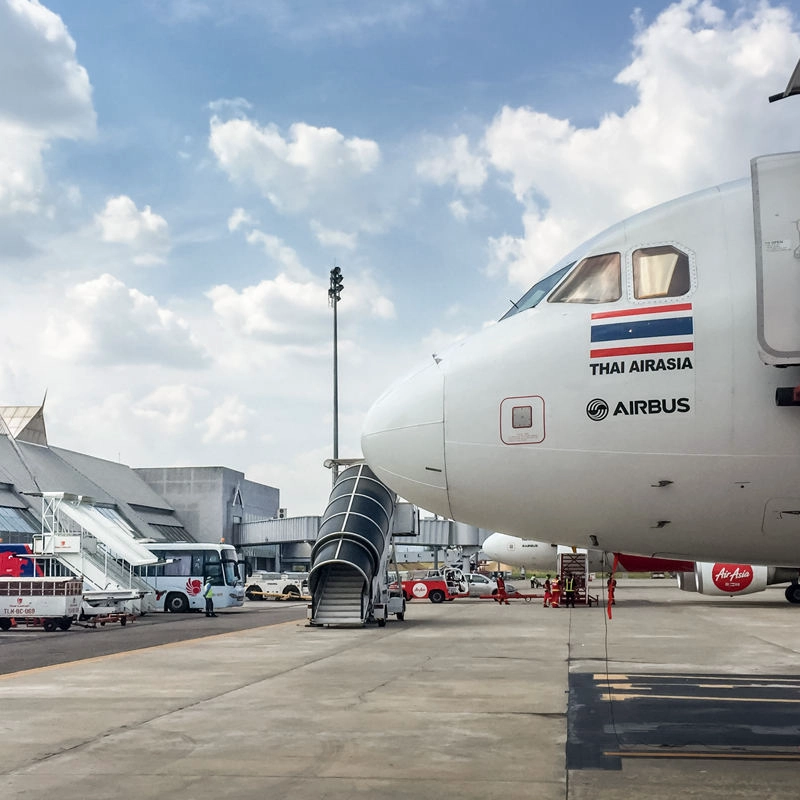
I recently handled a shipment of precision cargo via air freight to middle east, which is a practical case worth sharing with fellow foreign trade practitioners for risk avoidance. The shipment contained 5 sets of fiber laser resonant cavity modules. As core accessories for high-end cutting equipment, each set is worth more than 30,000 US dollars. Equipped with precision optical lenses and micro actuators, these goods are high-value and highly sensitive, requiring zero errors in shipping and customs clearance.
My client once suffered a typical shipping failure. Previously, he shipped cutting machine frames through a low-cost forwarder to save money, but the cargo was subcontracted layer by layer. Later, the shipment was detained by customs due to expired CO certification. The worst part was the inefficient after-sales handling. Multiple forwarders passed the buck to each other. A minor problem that could be fixed in one day was delayed for three to four days, disrupting the overseas client’s construction schedule and putting the seller in a passive situation.
This is the real industry truth I want to share with everyone. Most low-cost freight forwarders win orders with low prices and subcontract most shipments. They offer attractive upfront quotes but lack reliable after-sales services, including customs clearance, local delivery and problem handling. For high-value precision cargo, stable clearance efficiency and reliable risk protection are far more important than small freight savings.
Based on this practical shipment case, I will share a standardized compliance process for high-value cargo. After the cargo arrives at the warehouse, do not pack and ship it directly. It is necessary to fully check all customs documents, including double-certified certificate of origin, HS code and MSDS, to avoid detention caused by defective documents.
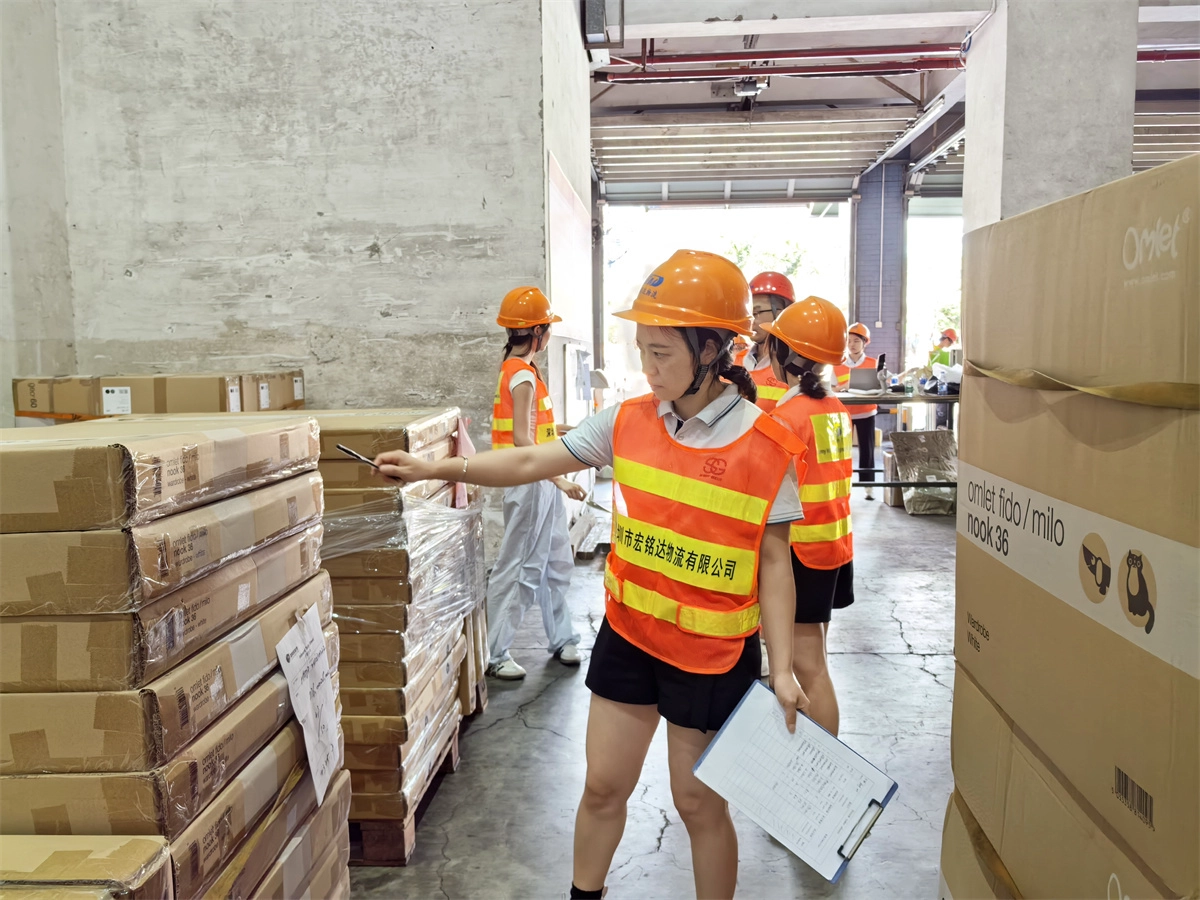
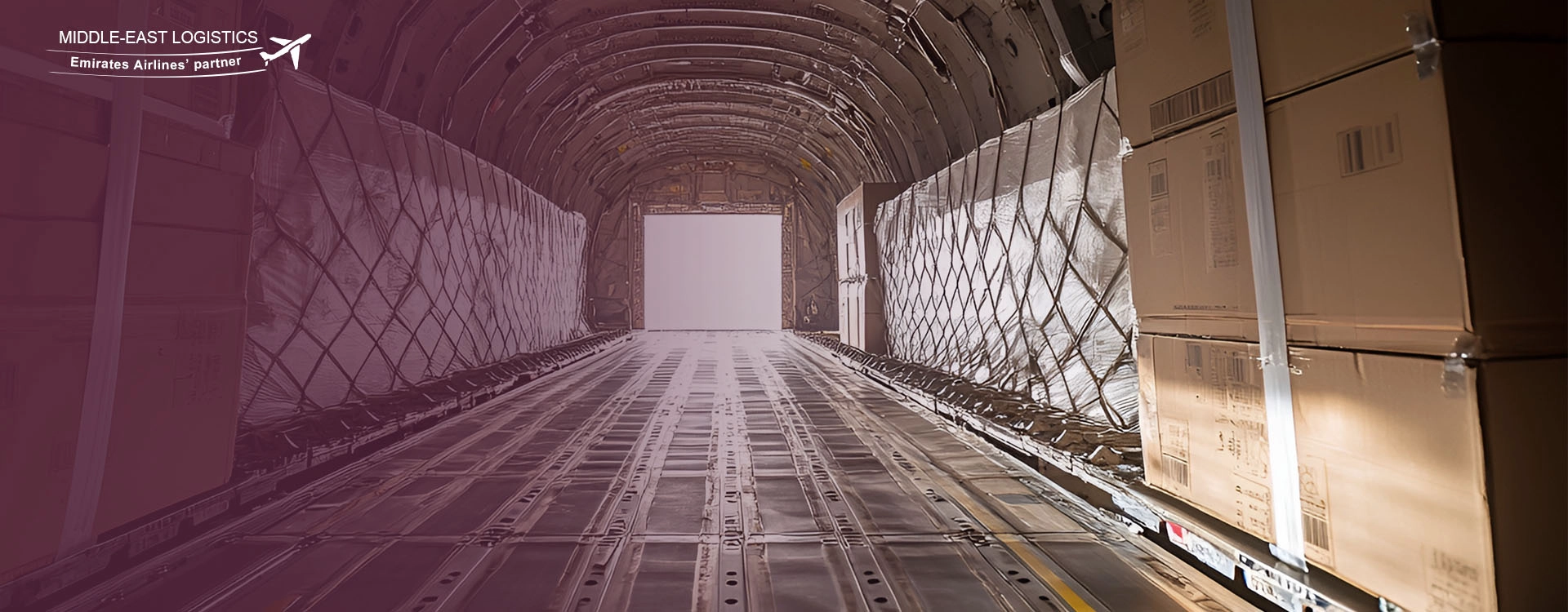
For packaging, precision parts are wrapped with anti-static materials and fixed on solid wood pallets. RFID labels are pasted for fast sorting and positioning at the destination port, effectively reducing cargo detention and delivery errors.
Anyone familiar with air freight to middle east knows that high-value sensitive cargo is prone to customs detention with too many transit links and long staying time. Stable and fast customs clearance relies on sufficient pre-shipping compliance preparation, accurate HS code pre-classification and complete document filing. Checking all potential risks in advance is the key to smooth shipping.
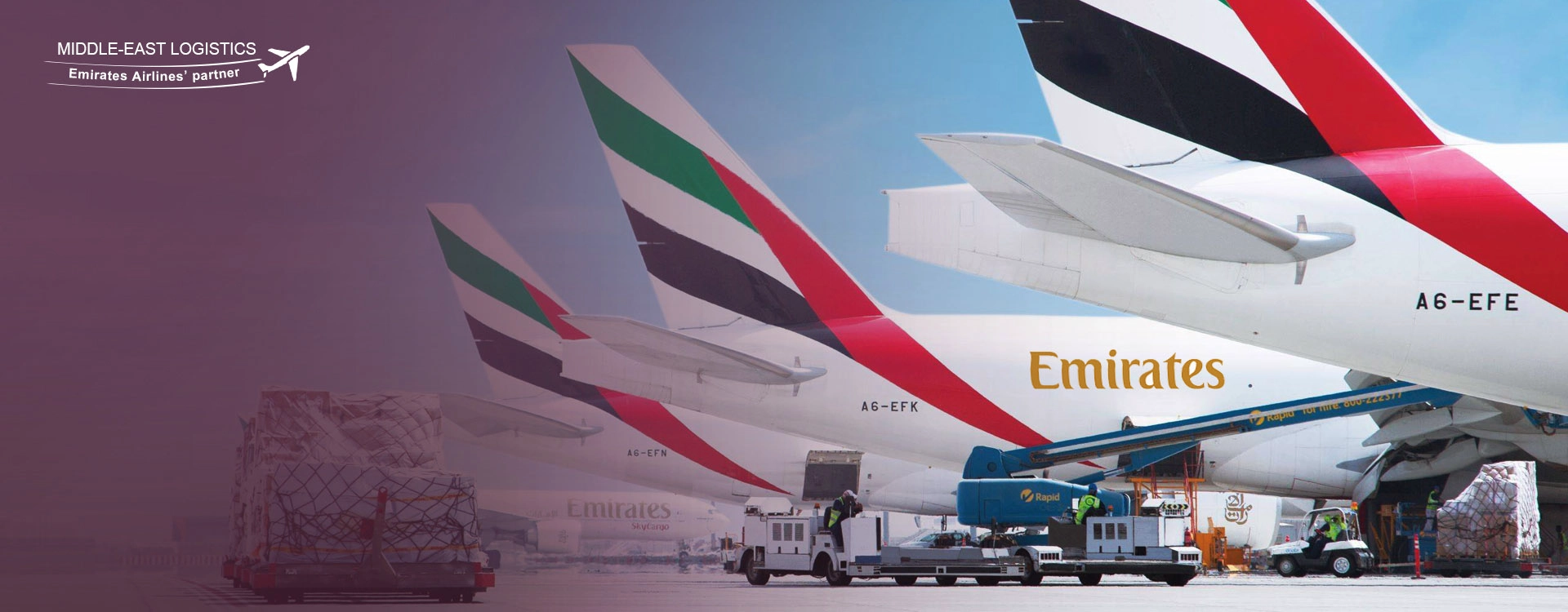
In this case, after the cargo arrived at Dubai Airport in the Middle East, complete and accurate documents made the system mark the shipment as low-risk. It skipped complicated manual inspection and completed customs clearance in a short time. In contrast, ordinary forwarders usually need 2 to 3 days for inspection, document revision and manual review, bringing many uncertain risks.
Many people wonder why precision cargo shipments to the Middle East have totally different clearance results. It has nothing to do with luck. The key is mastering local customs rules and avoiding judgment risks in advance. Dubai Customs has strict inspection standards for high-end precision equipment. Tiny document defects or incorrect HS classification will lead to manual inspection and cargo detention. Most clearance problems can be avoided through full compliance inspection and accurate classification. This shipment was delivered to the client’s designated warehouse on the same day after customs clearance.
Lastly, here is a sincere tip for all foreign trade workers. You can choose low-cost shipping for ordinary general cargo. But never chase low prices for high-value, precise and sensitive goods. Subcontracted low-price channels may save a little freight, but cargo detention, delay or loss will cause huge losses in orders, clients and reputation. Choosing compliant, stable and reliable shipping channels is the long-term safest solution for foreign trade shipments.
Case 2
Earn an Extra 40,000 RMB by Shipping 5 Tons of Air Freight to Middle East
Earn an extra 40,000 RMB by shipping 5 tons of air freight to Middle East. Do you know how they do it? Some customers tell freight forwarders that they want direct air shipping to door. However, some unethical forwarders switch it to connecting flights instead. Shipments from Shenzhen connect via Singapore to Dubai, then go through customs at the destination port and deliver to door.
When customers ask why their air freight hasn’t arrived in five or six days, these forwarders claim the goods are being inspected at the destination port.
They make fake inspection documents at the destination port and send them to customers, saying the inspection will cause another four or five days’ delay. Counting working days, the total time including shipping and fake inspection is almost the same as connecting flights via Singapore, leaving customers with no complaints. Direct flights cost 26 RMB per kg, while connecting flights cost 18 RMB per kg. For 5 tons of cargo, that’s a profit of 40,000 RMB.
When shipping cross-border air freight to Middle East, there are 4 common tricks used by freight forwarders. 90% of new sellers have fallen for these scams.
1. Bait and switch
Freight forwarders attract you with extremely low air freight rates. The market price for general cargo is 25 RMB, but they quote 18 RMB. They actually replace direct flights with connecting flights and blame flight delays when questioned.
2. Unauthorized mixed sensitive cargo
They accept general cargo at low prices, but secretly mix in electronic cigarettes, battery-powered or magnetic goods without permission. If your cargo is inspected, you may lose both your goods and payment.
3. Broken promises
They promise direct flights for your cargo, but mix direct and connecting flights together. When questioned, they claim a scanning error and say they will be more careful next time.
4. Unsafe mixed loading
They combine dangerous goods and consolidated cargo with only general cargo on the surface. Once inspected, shipments are delayed or the forwarder disappears.
Therefore, there are ways to find a reliable air freight to Middle East forwarder. Don’t only compare prices at the beginning. The air freight to Middle East market is already very mature, and operating costs among forwarders are similar. So price quotes usually do not differ by more than 5%. If someone offers 20-30% lower prices, there must be a catch.
This doesn’t mean you shouldn’t compare prices at all. Small differences still exist. Different forwarders have different channels and resources. Choosing the right one can still save you 5% on logistics costs.
How do you choose the right one? In the logistics industry, especially international logistics, you need to look at overall strength. Choose speed at the same price, choose reputation at the same speed, and check their warehouse if reputations are similar.
Small shell companies with only 3 or 4 people always talk about asset-light operations. They rent warehouses or even have no warehouses at all. They can handle small orders but fail completely with high-end clients. To excel at air freight to Middle East, a forwarder must have its own warehouse.
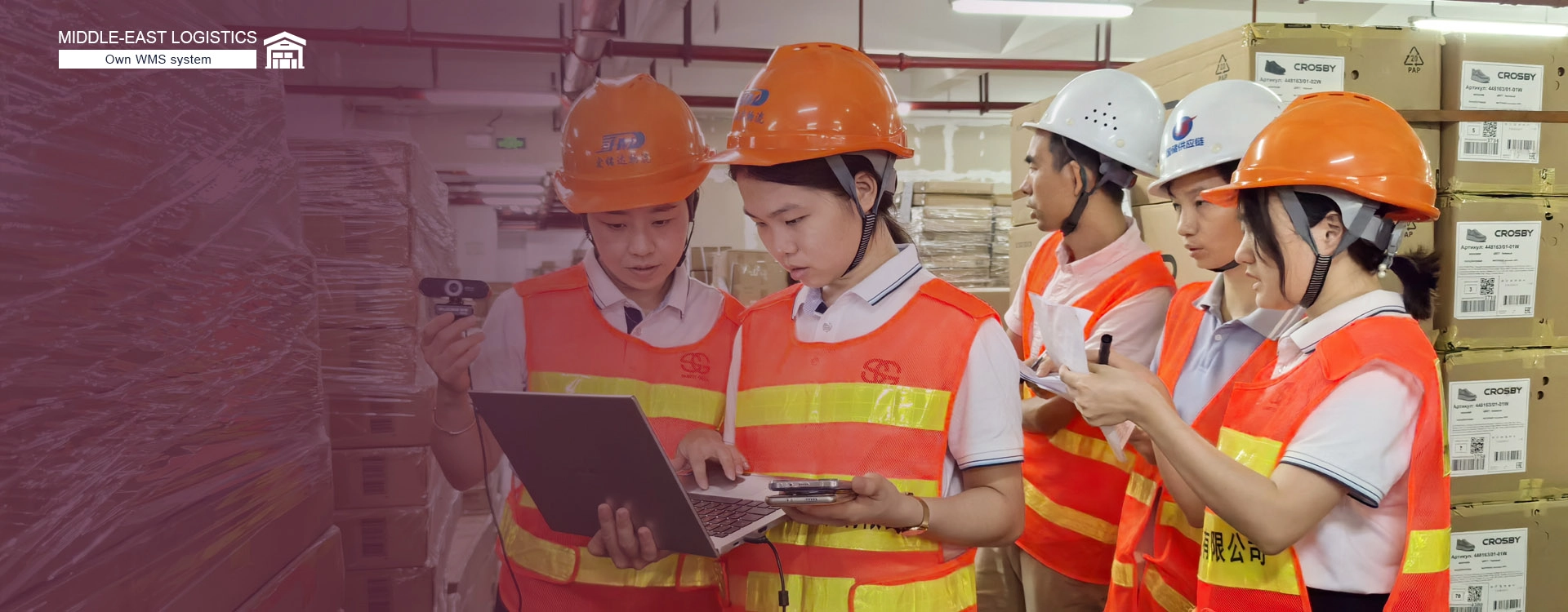
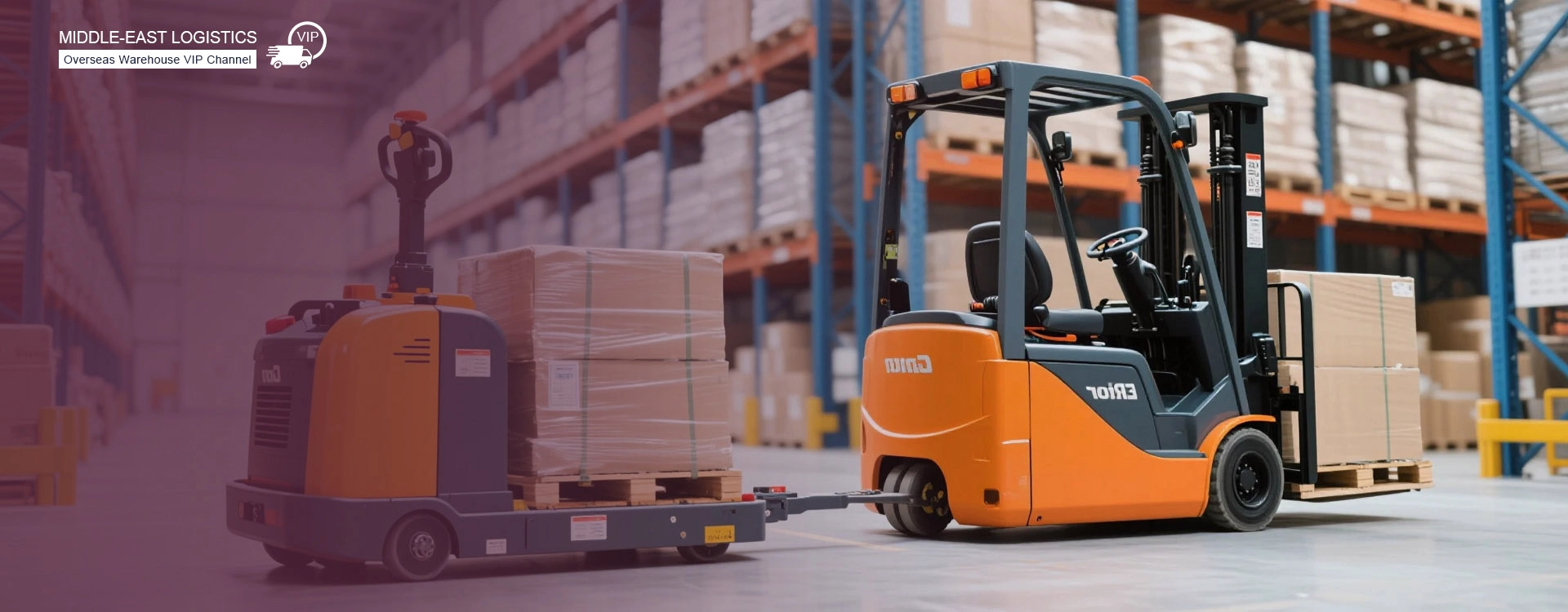
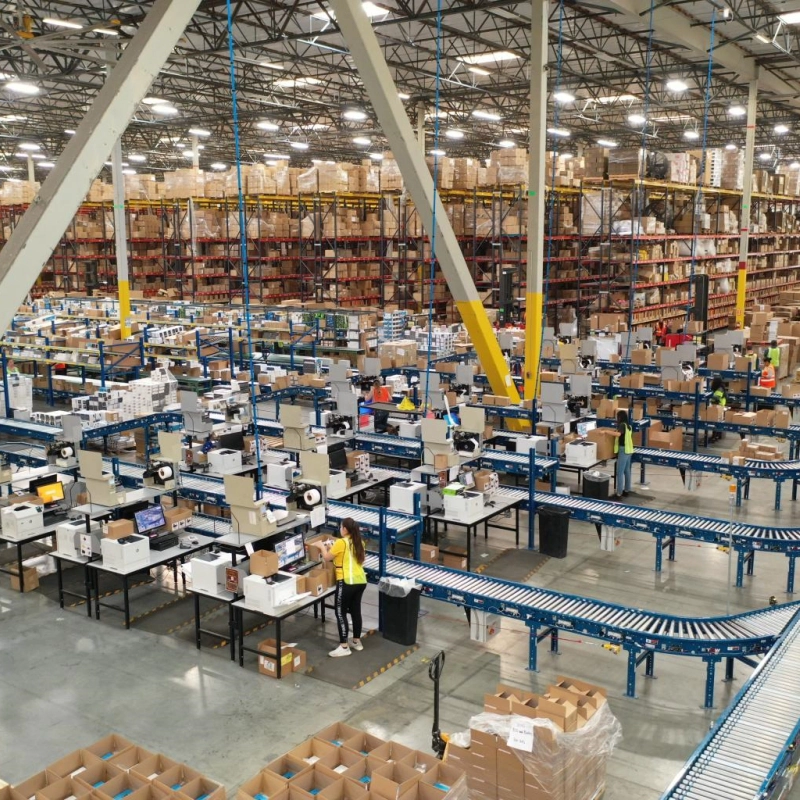
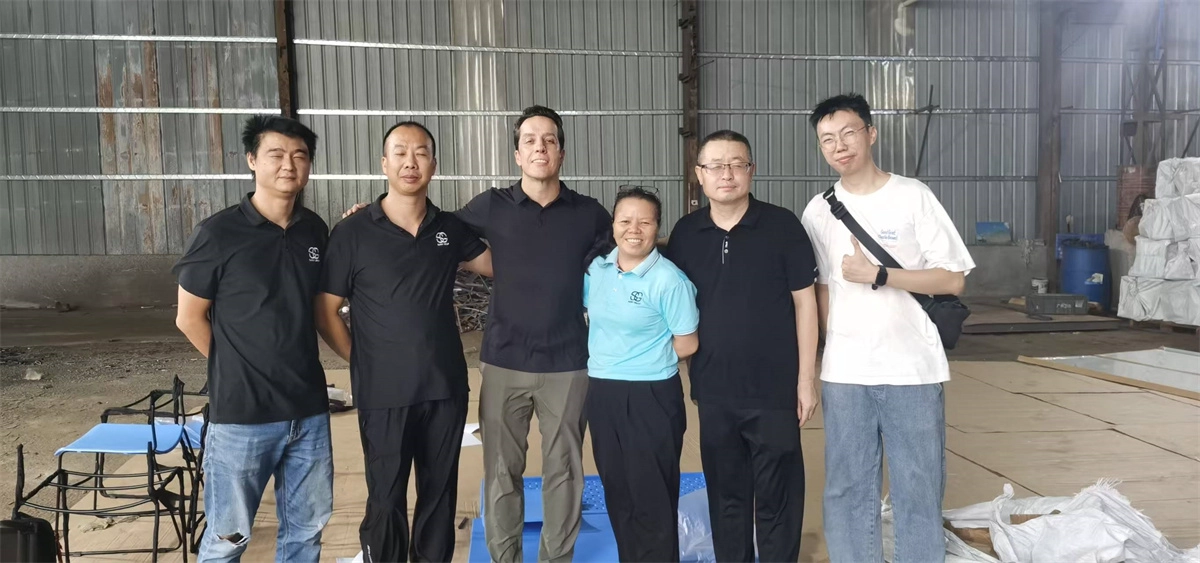
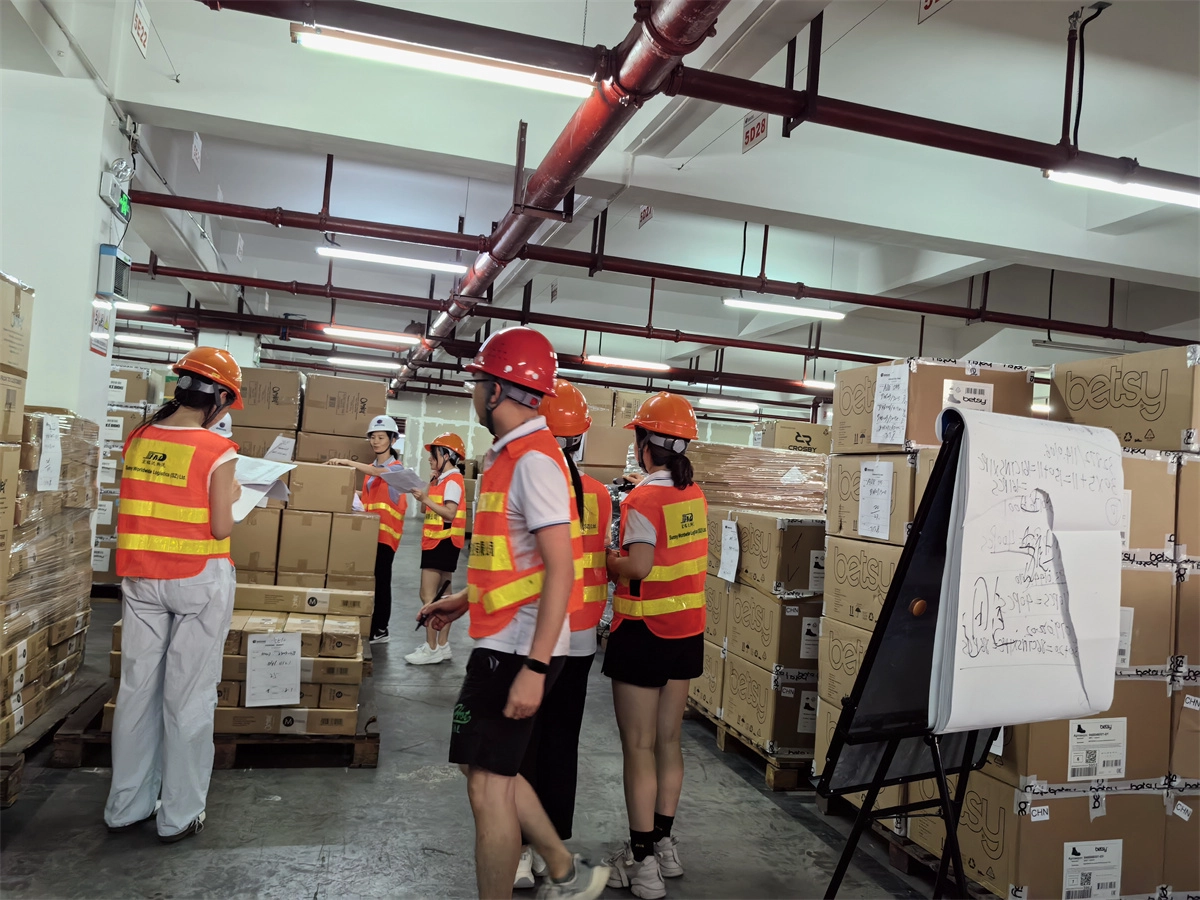
DL has a 20,000-square-meter foreign trade warehouse in Yantian, 6 stories high. Foreign clients often visit and speak highly of it.[learn more]
Case 3
What to Do if FOB Designated Freight Forwarder Charges Too Much?
Everyone knows that using a designated freight forwarder for FOB terms is expensive. Why? Because costs are shifted from the destination port to us. So what can we do when fees are too high? Do you just pay whatever the forwarder asks? You might worry they won’t release telex release if you don’t pay. But do we really have no choice?
Recently, Hassan shipped a batch of cargo to the Middle East. It was not a large shipment, only about 1 cubic meter, actually just 0.85 CBM. When the designated forwarder sent the fee list, Hassan was speechless. The charge was 1200 yuan. For less than 1 CBM of goods, they asked for 1200 yuan, and kept urging him to confirm quickly. It was already late when the forwarder sent the list, and the vessel would arrive at the port in about ten days.
Then Hassan directly emailed the forwarder, saying he could not accept the fees as they were ridiculously high. Right after that, he called them and said they charged the highest and most unreasonable fees he had ever seen. The two sides were in a deadlock for three or four days. Later, the forwarder contacted him voluntarily, saying other suppliers had already confirmed their fees and only his was left, since the container was shared by several companies. Finally, they negotiated the price down to 900 yuan. Hassan paid reluctantly, feeling he had been overcharged.
Therefore, whether you are sending goods by air freight to middle east or by sea, freight forwarders vary in quality. Most are small forwarders with only three to five people, who will overcharge whenever they get the chance.
In the past, people usually found forwarders through friends’ recommendations. But sometimes logistics conditions are strict in customers’ countries, such as Saudi Arabia, UAE and other countries in the Middle East. So we often search the country’s name plus “freight forwarder” on platforms, and many local forwarders will show up.
However, this is just a way to find forwarders. The communication process is very important. You need to tell the real from the fake, filter out shell companies and small unreliable forwarders, and find reliable and large-scale ones. You can directly feel their strength and professionalism during communication.
You can simply say you want to visit their company. If they hesitate and make excuses, they must be small forwarders. Usually they just rent a small office of around 20 square meters in an office building with only three or four staff members.
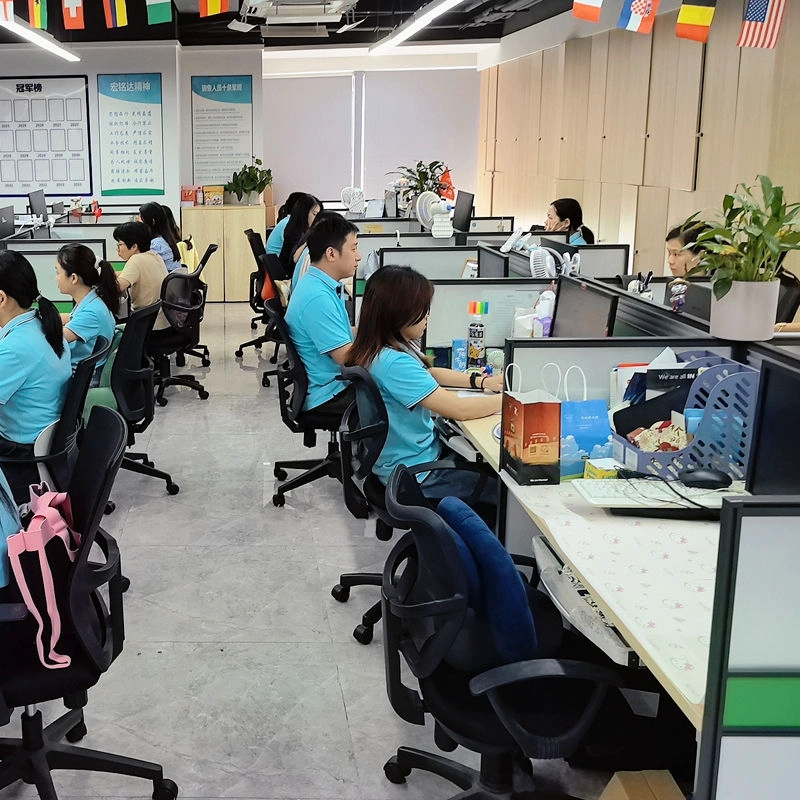
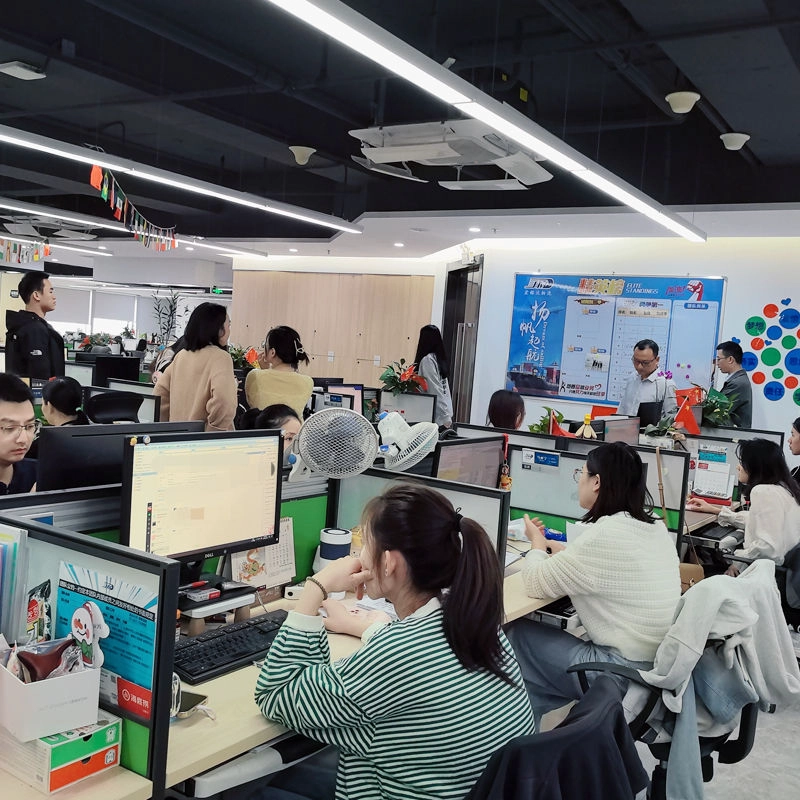
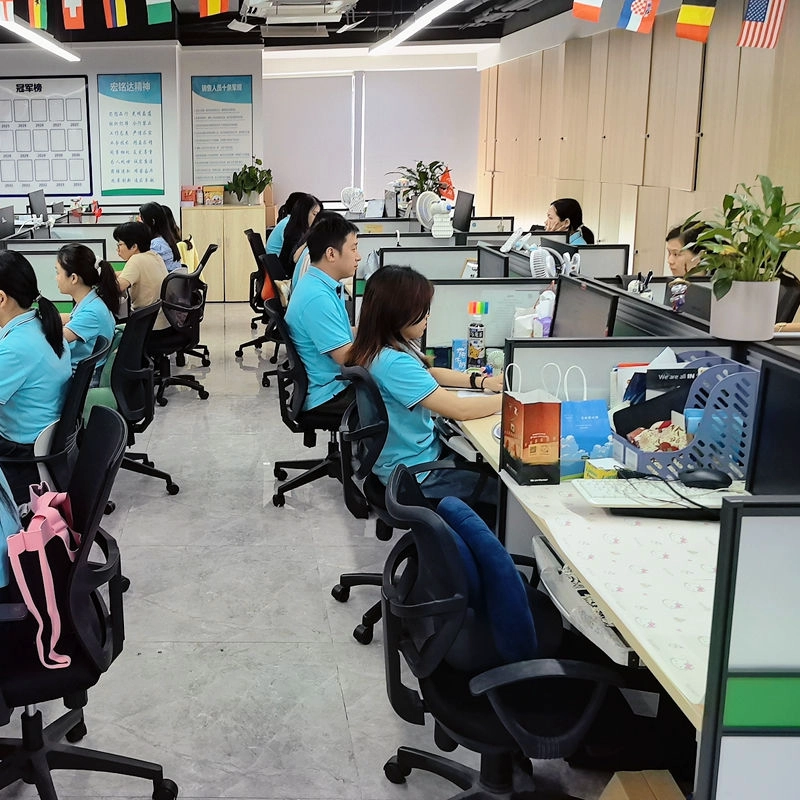
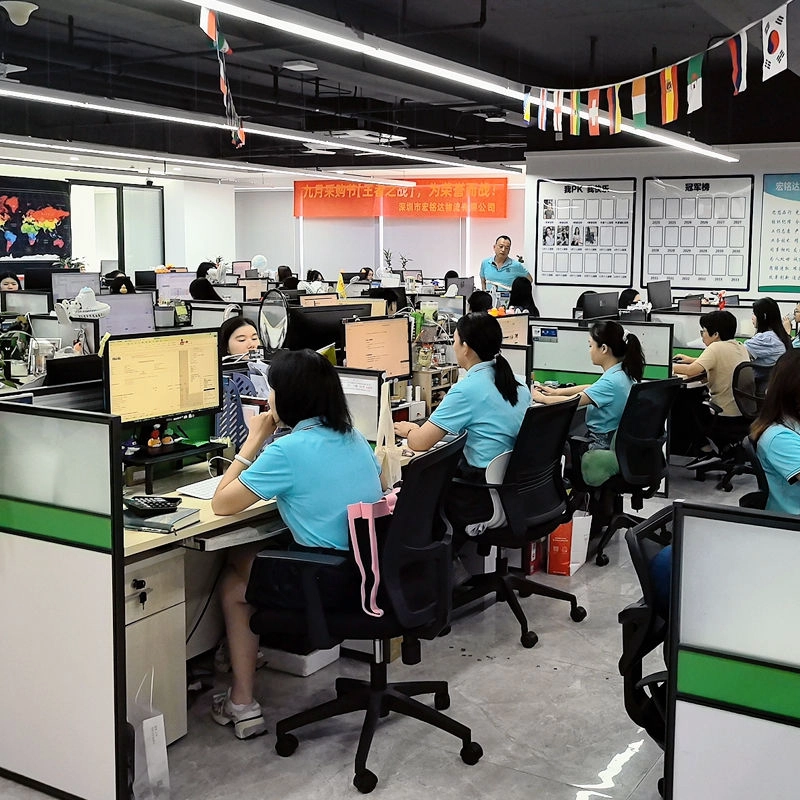
Those who confidently agree are usually reliable large forwarders. Take our company DL as an example. We now have nearly 100 employees and own the entire 8th floor of Block B, Rongde Times Square, Longgang District, Shenzhen. Our dedicated foreign trade warehouse in Yantian covers 20,000 square meters with 6 floors, and is managed in a standardized way. Foreign clients always praise us after visiting. We are among the top 5 companies for air freight to middle east. You can rest assured choosing forwarders like us, as we will never overcharge.【learn more】
|