Case 1
Practical Tips for Air Freight to Middle East – Sensitive Liquid Clearance
Taha bought 300 drums of industrial water-based cutting fluid (20L each, total 6.8 tons) from Shenzhen and needed them flown to his Dubai factory. His previous forwarder got the goods held for 9 days because the MSDS didn't match Middle East customs format. He switched to another provider and this time everything went smoothly with no delays.
From this case, we can pull out four key control points for shipping sensitive liquids by air to the Middle East. Here they are for reference.
Point 1: Document Prep – Don't Stop at the Usual List
For sensitive liquid exports, you normally need MSDS, air transport identification report, packaging certificate, dangerous goods pack certificate, etc. But many people miss this: destination customs may have extra registration requirements.
For the UAE, water-based cutting fluid falls under industrial hazardous chemicals. Besides regular papers, you also need the "UAE Ministry of Industry Hazardous Chemical Import Registration Form". The importer must apply for this in the ministry's online system before shipping, get a registration number, and submit it with other clearance documents. Without it, even a perfect MSDS won't save you – customs will reject or hold your goods.
Practical tip: Before taking an order, always check the destination customs' specific rules for that exact product name. Different products and different chemical compositions may have completely different requirements.
Point 2: Route Choice – Direct Flights Beat Transfers
The biggest risk for liquid cargo during transport is package damage and leakage from handling. Every transfer adds extra lifting, towing, and ramp operations – which increase leak probability.
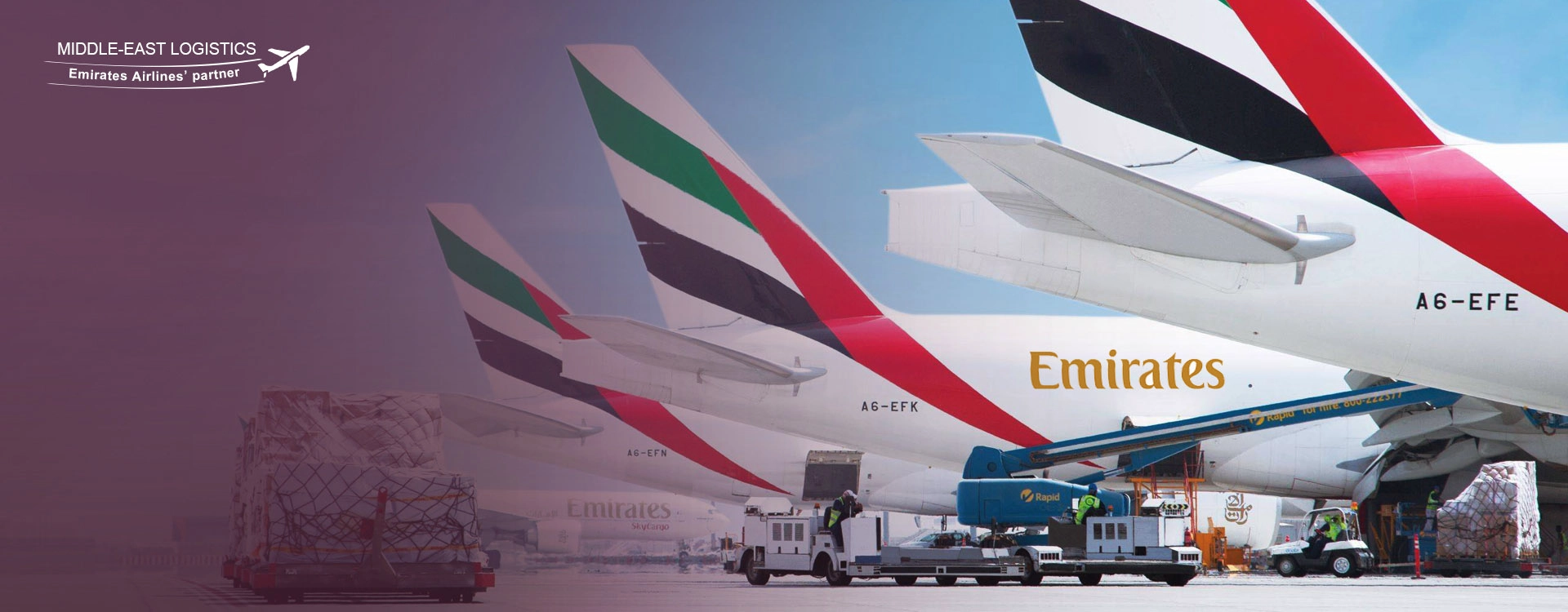
In this case, they used a direct flight (EK365) with 9 hours flying time and no transfers. Compared to a connecting flight, handling times are reduced by at least 2–3 times, which makes a big difference for liquid safety.
Also, direct flights give you better time control. If space is tight, working with a forwarder that has fixed pallet space helps secure your booking and avoid offloading delays – which is critical for time‑sensitive production plans.
Practical tip: For liquid air freight, choose direct routes whenever possible. If you must transfer, confirm that the transfer hub has hazardous cargo handling qualifications and temperature control if needed.
Point 3: Destination Clearance – Pre‑review + Dedicated Lane
Customs clearance is the biggest "hidden mine" for sensitive liquid air freight. Many shipments look fine before takeoff, but get stuck for days after landing because of document mismatches, long queues, or inspection delays.
Two practices from this case are worth learning:
- Pre‑submit documents early – The clearance team reviewed all papers a second time and submitted them 3 hours before the flight landed. This gives time to fix system‑detected errors (e.g., weight units, product name spelling) before actual inspection.
- Use the dedicated hazardous lane – Dubai customs has a separate clearance window for hazardous chemicals, so you don't have to wait in the regular long queue. But to use it, you need complete documents, a valid registration number, and both shipper and consignee must have proper hazardous chemical operating qualifications. Without those, the lane is not accessible.
Practical tip: Learn the destination port's hazardous chemical clearance process in advance. Confirm that your consignee has import qualifications and finish all online registrations before departure. Don't wait until the cargo arrives.
Point 4: Last‑mile Delivery – Local Resources Decide Speed
After customs release, the goods still need to be moved from the airport warehouse to the final factory. The delivery time depends on two things:
- How fast customs clears (see Point 3);
- Local truck and warehouse availability.
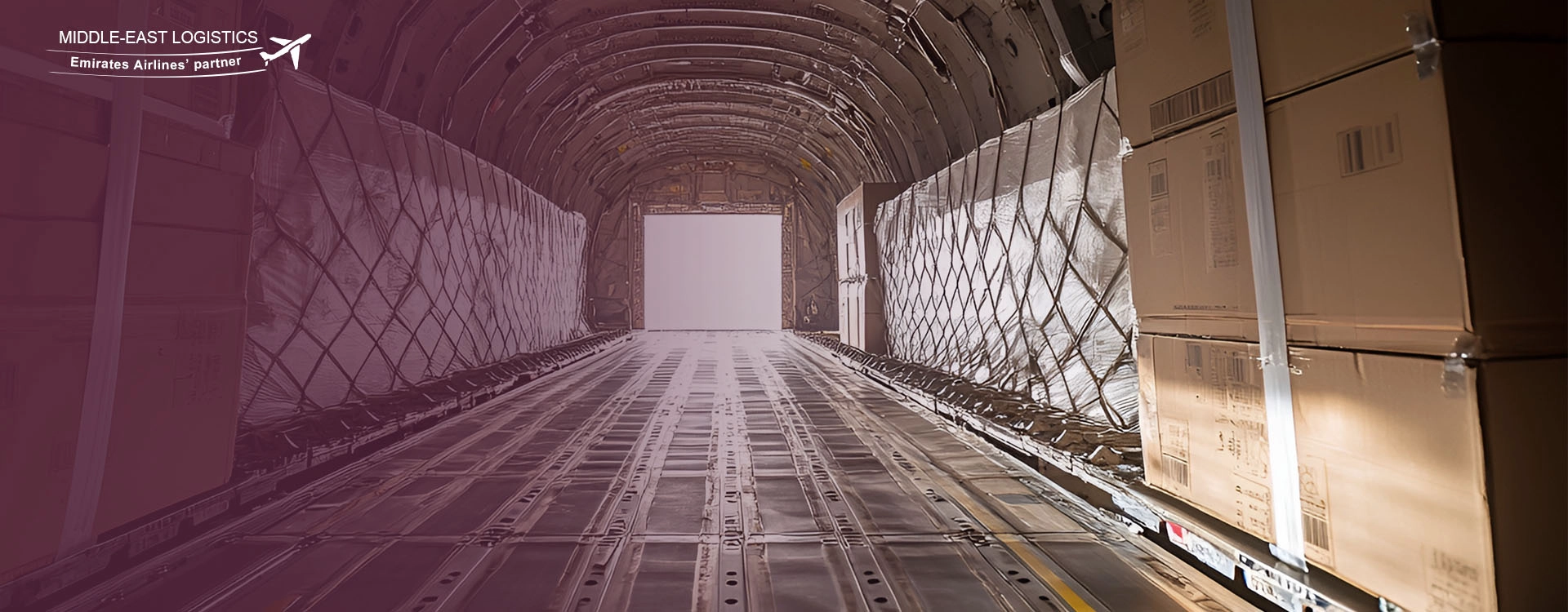
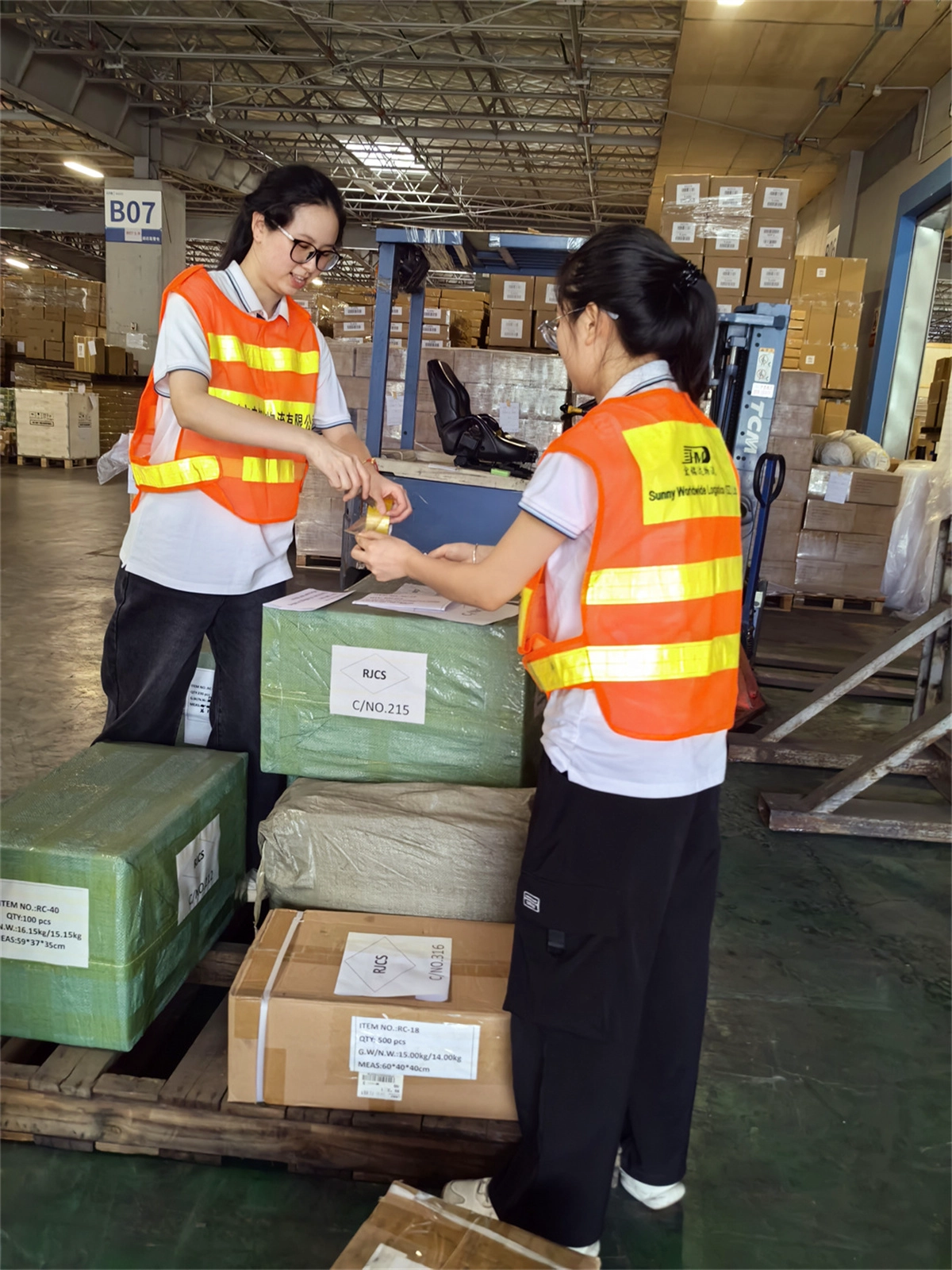
In this case of air freight to middle east, delivery was completed within 3 hours after clearance, which means they had arranged transport and unloading staff ahead of time. For large liquid shipments, delivery trucks need leak‑proof pallets, tie‑down straps, etc. – details easy to overlook.
Practical tip: Before shipping, confirm with your destination agent what type of truck will be used and whether the driver has hazardous cargo transport certification. Also, book the unloading time with the consignee so the truck doesn't arrive to an empty warehouse.
Previous : Air Freight to Middle East: 5 Practical Steps for Sensitive Cargo
Next : No Next [learn about]
Case 2
Earn an Extra 40,000 RMB by Shipping 5 Tons of Air Freight to Middle East
Earn an extra 40,000 RMB by shipping 5 tons of air freight to Middle East. Do you know how they do it? Some customers tell freight forwarders that they want direct air shipping to door. However, some unethical forwarders switch it to connecting flights instead. Shipments from Shenzhen connect via Singapore to Dubai, then go through customs at the destination port and deliver to door.
When customers ask why their air freight hasn’t arrived in five or six days, these forwarders claim the goods are being inspected at the destination port.
They make fake inspection documents at the destination port and send them to customers, saying the inspection will cause another four or five days’ delay. Counting working days, the total time including shipping and fake inspection is almost the same as connecting flights via Singapore, leaving customers with no complaints. Direct flights cost 26 RMB per kg, while connecting flights cost 18 RMB per kg. For 5 tons of cargo, that’s a profit of 40,000 RMB.
When shipping cross-border air freight to Middle East, there are 4 common tricks used by freight forwarders. 90% of new sellers have fallen for these scams.
1. Bait and switch
Freight forwarders attract you with extremely low air freight rates. The market price for general cargo is 25 RMB, but they quote 18 RMB. They actually replace direct flights with connecting flights and blame flight delays when questioned.
2. Unauthorized mixed sensitive cargo
They accept general cargo at low prices, but secretly mix in electronic cigarettes, battery-powered or magnetic goods without permission. If your cargo is inspected, you may lose both your goods and payment.
3. Broken promises
They promise direct flights for your cargo, but mix direct and connecting flights together. When questioned, they claim a scanning error and say they will be more careful next time.
4. Unsafe mixed loading
They combine dangerous goods and consolidated cargo with only general cargo on the surface. Once inspected, shipments are delayed or the forwarder disappears.
Therefore, there are ways to find a reliable air freight to Middle East forwarder. Don’t only compare prices at the beginning. The air freight to Middle East market is already very mature, and operating costs among forwarders are similar. So price quotes usually do not differ by more than 5%. If someone offers 20-30% lower prices, there must be a catch.
This doesn’t mean you shouldn’t compare prices at all. Small differences still exist. Different forwarders have different channels and resources. Choosing the right one can still save you 5% on logistics costs.
How do you choose the right one? In the logistics industry, especially international logistics, you need to look at overall strength. Choose speed at the same price, choose reputation at the same speed, and check their warehouse if reputations are similar.
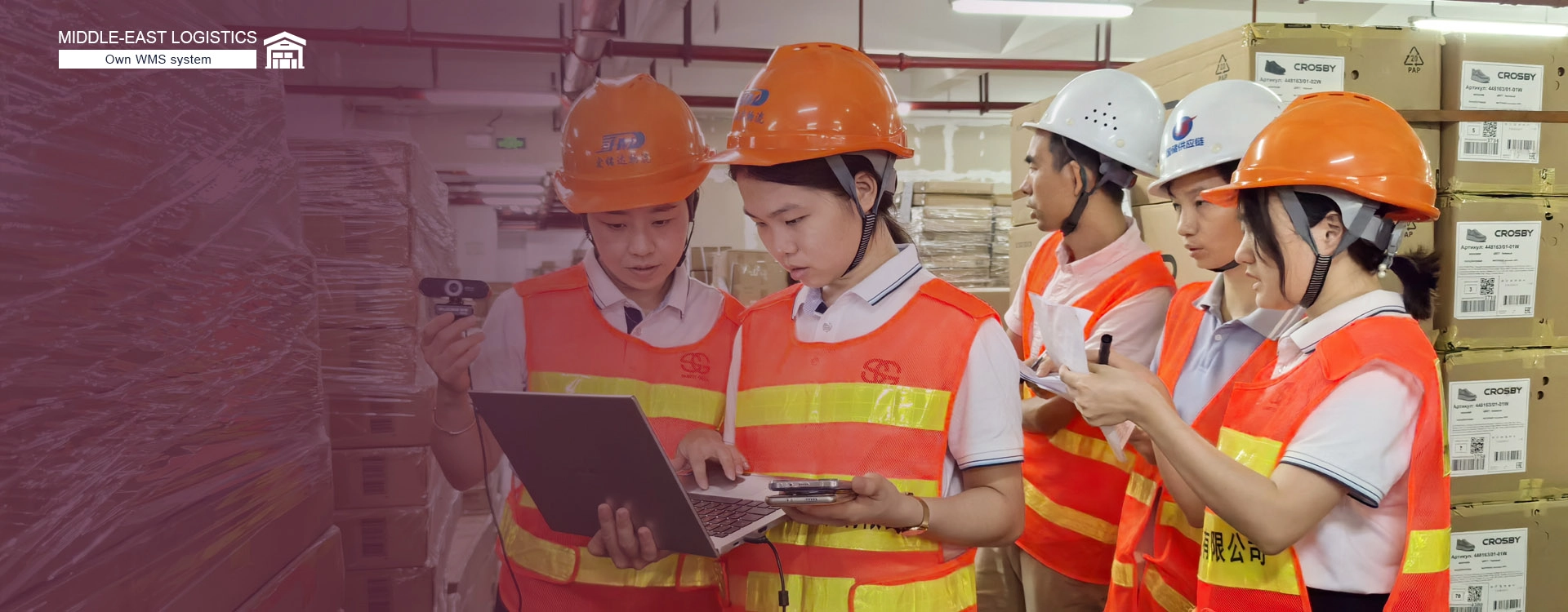
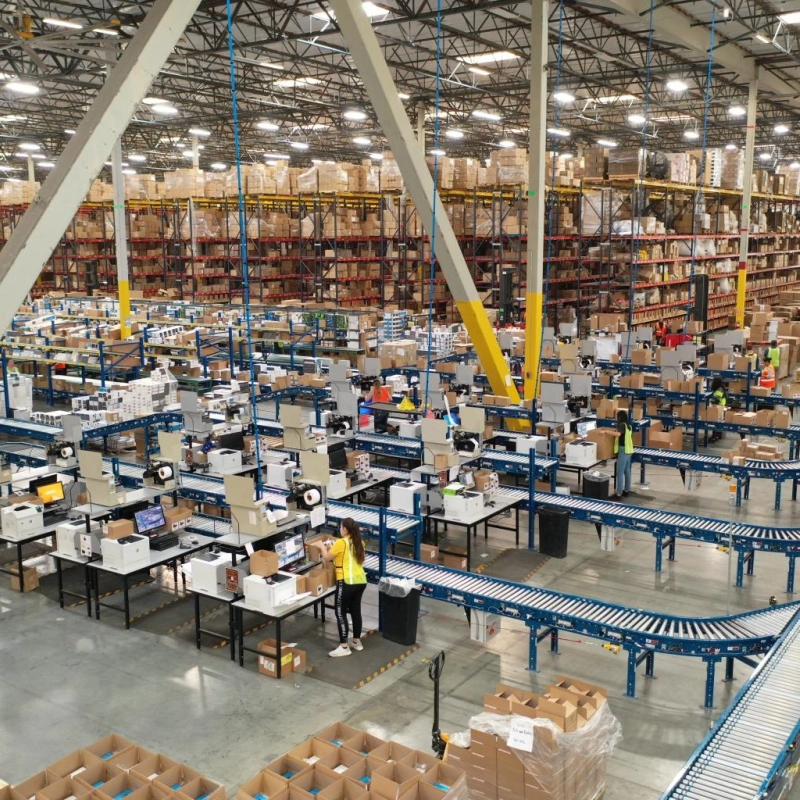
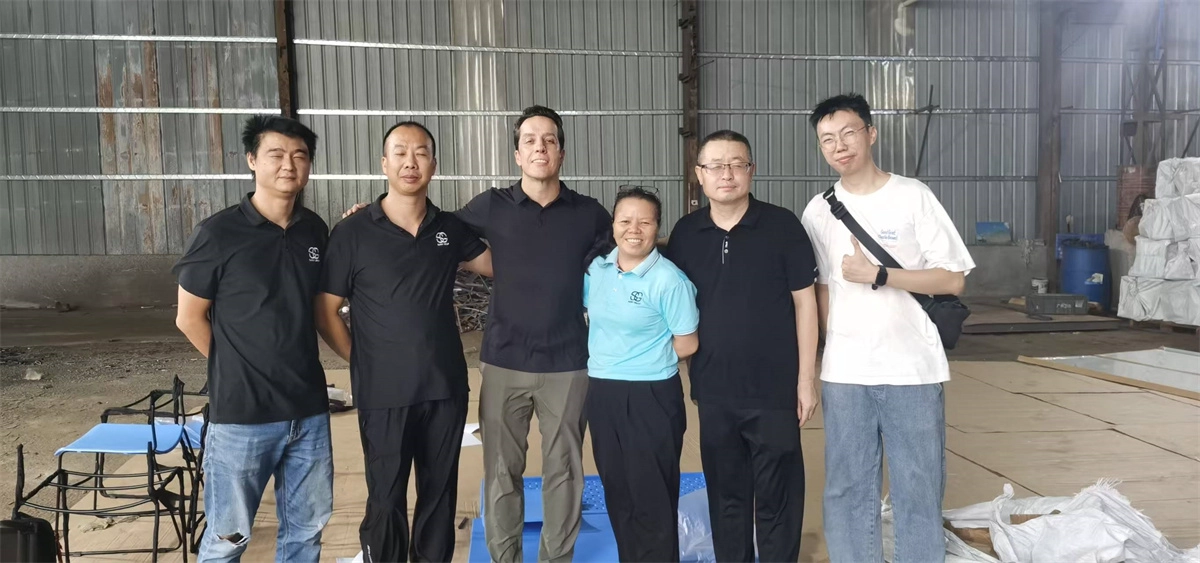
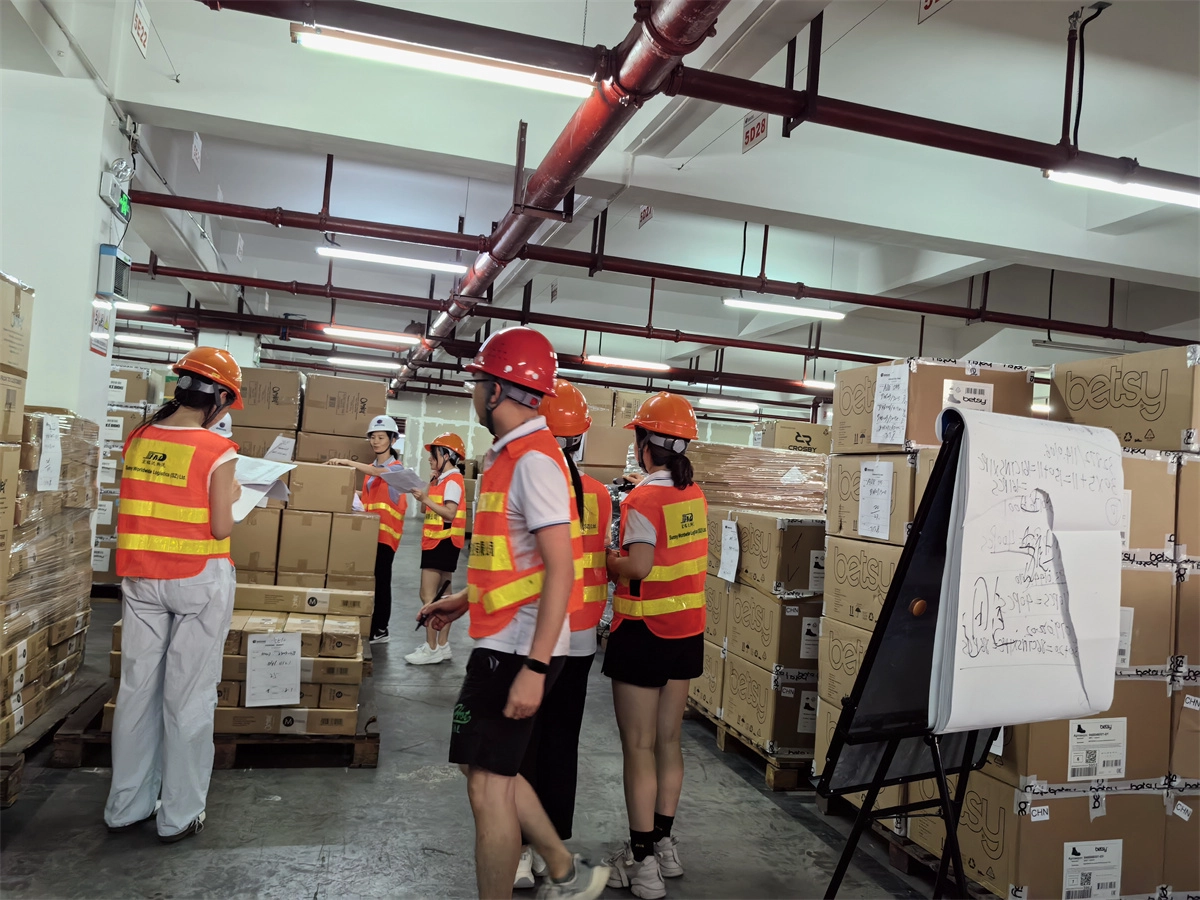
Small shell companies with only 3 or 4 people always talk about asset-light operations. They rent warehouses or even have no warehouses at all. They can handle small orders but fail completely with high-end clients. To excel at air freight to Middle East, a forwarder must have its own warehouse.
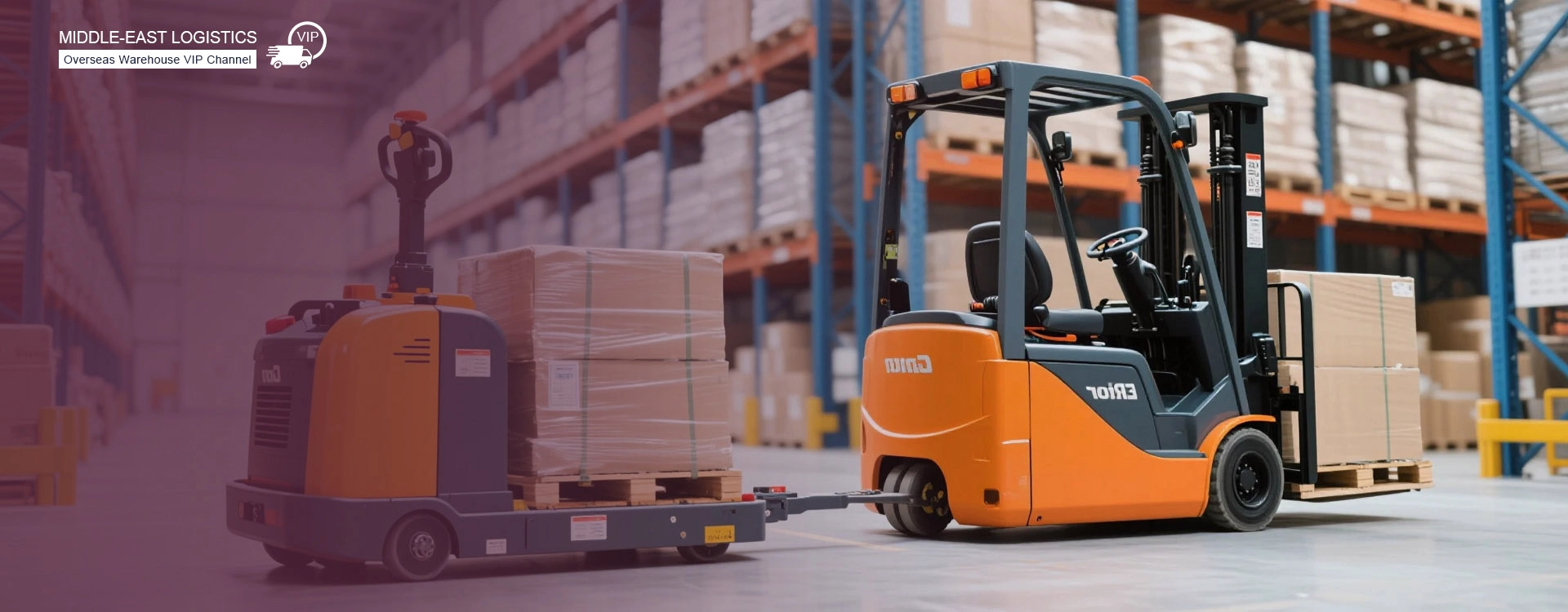
DL has a 20,000-square-meter foreign trade warehouse in Yantian, 6 stories high. Foreign clients often visit and speak highly of it.[learn more]
Case 3
What to Do if FOB Designated Freight Forwarder Charges Too Much?
Everyone knows that using a designated freight forwarder for FOB terms is expensive. Why? Because costs are shifted from the destination port to us. So what can we do when fees are too high? Do you just pay whatever the forwarder asks? You might worry they won’t release telex release if you don’t pay. But do we really have no choice?
Recently, Hassan shipped a batch of cargo to the Middle East. It was not a large shipment, only about 1 cubic meter, actually just 0.85 CBM. When the designated forwarder sent the fee list, Hassan was speechless. The charge was 1200 yuan. For less than 1 CBM of goods, they asked for 1200 yuan, and kept urging him to confirm quickly. It was already late when the forwarder sent the list, and the vessel would arrive at the port in about ten days.
Then Hassan directly emailed the forwarder, saying he could not accept the fees as they were ridiculously high. Right after that, he called them and said they charged the highest and most unreasonable fees he had ever seen. The two sides were in a deadlock for three or four days. Later, the forwarder contacted him voluntarily, saying other suppliers had already confirmed their fees and only his was left, since the container was shared by several companies. Finally, they negotiated the price down to 900 yuan. Hassan paid reluctantly, feeling he had been overcharged.
Therefore, whether you are sending goods by air freight to middle east or by sea, freight forwarders vary in quality. Most are small forwarders with only three to five people, who will overcharge whenever they get the chance.
In the past, people usually found forwarders through friends’ recommendations. But sometimes logistics conditions are strict in customers’ countries, such as Saudi Arabia, UAE and other countries in the Middle East. So we often search the country’s name plus “freight forwarder” on platforms, and many local forwarders will show up.
However, this is just a way to find forwarders. The communication process is very important. You need to tell the real from the fake, filter out shell companies and small unreliable forwarders, and find reliable and large-scale ones. You can directly feel their strength and professionalism during communication.
You can simply say you want to visit their company. If they hesitate and make excuses, they must be small forwarders. Usually they just rent a small office of around 20 square meters in an office building with only three or four staff members.
Those who confidently agree are usually reliable large forwarders. Take our company DL as an example. We now have nearly 100 employees and own the entire 8th floor of Block B, Rongde Times Square, Longgang District, Shenzhen. Our dedicated foreign trade warehouse in Yantian covers 20,000 square meters with 6 floors, and is managed in a standardized way. Foreign clients always praise us after visiting. We are among the top 5 companies for air freight to middle east. You can rest assured choosing forwarders like us, as we will never overcharge.【learn more】
|