Case 1
How to tell if a freight forwarder for air freight to middle east is reliable?
If your shipment by air freight to middle east hasn’t arrived in half a month, you’ve definitely found an unreliable freight forwarder. Without a good forwarder, even top salespeople can’t get things done right. So how do you judge whether a forwarder is reliable? As someone who has been in this industry for 27 years, I can responsibly tell you: remember these points when choosing a forwarder, and no one can trick you.
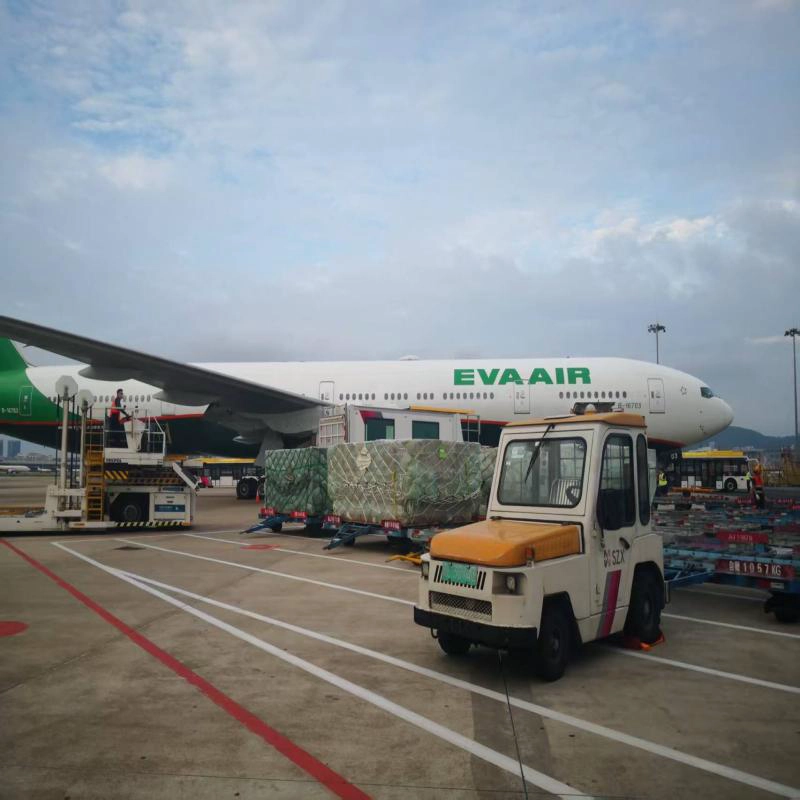
First, they must have the ability and resources to book space directly. Check how deeply the forwarder cooperates with airlines, and whether they can really get allocation directly from airlines. If you look for forwarders in the market, ten out of ten will say they are direct operators. But the real direct operators are very few, you can count them on one hand.
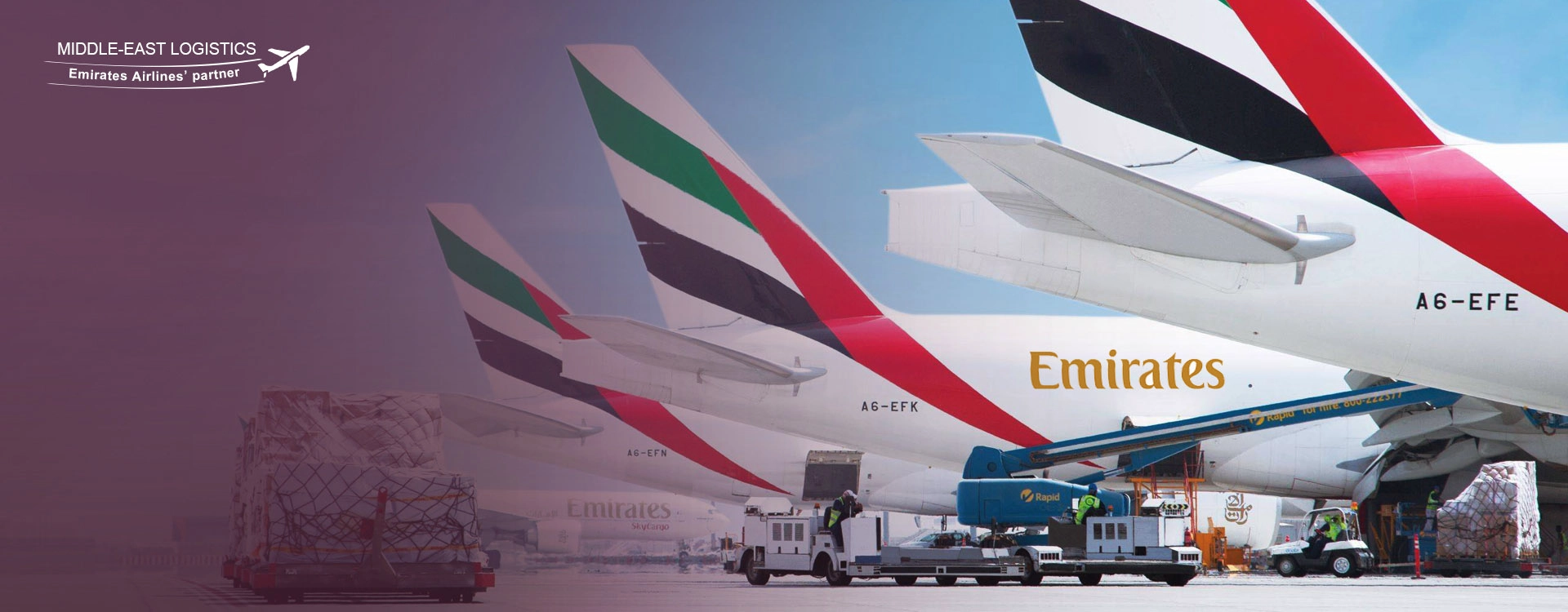
So you must verify this in person, don’t just listen to what they say. Take our company DL for example. We have bought out 20 allocations per week from 2 major airlines. Other relatively good forwarders only get 2 or 3 allocations a week. Our capacity is 10 times theirs. Only companies like us are real direct operators for air freight to middle east.
Second, they must respond to inquiries quickly and help customers get competitive prices. Of course, this isn’t something a forwarder can just claim to do. The key point is to check how much cargo volume the forwarder handles for air freight to middle east. Generally, forwarders with large cargo volume enjoy bulk advantages and can offer lower prices.
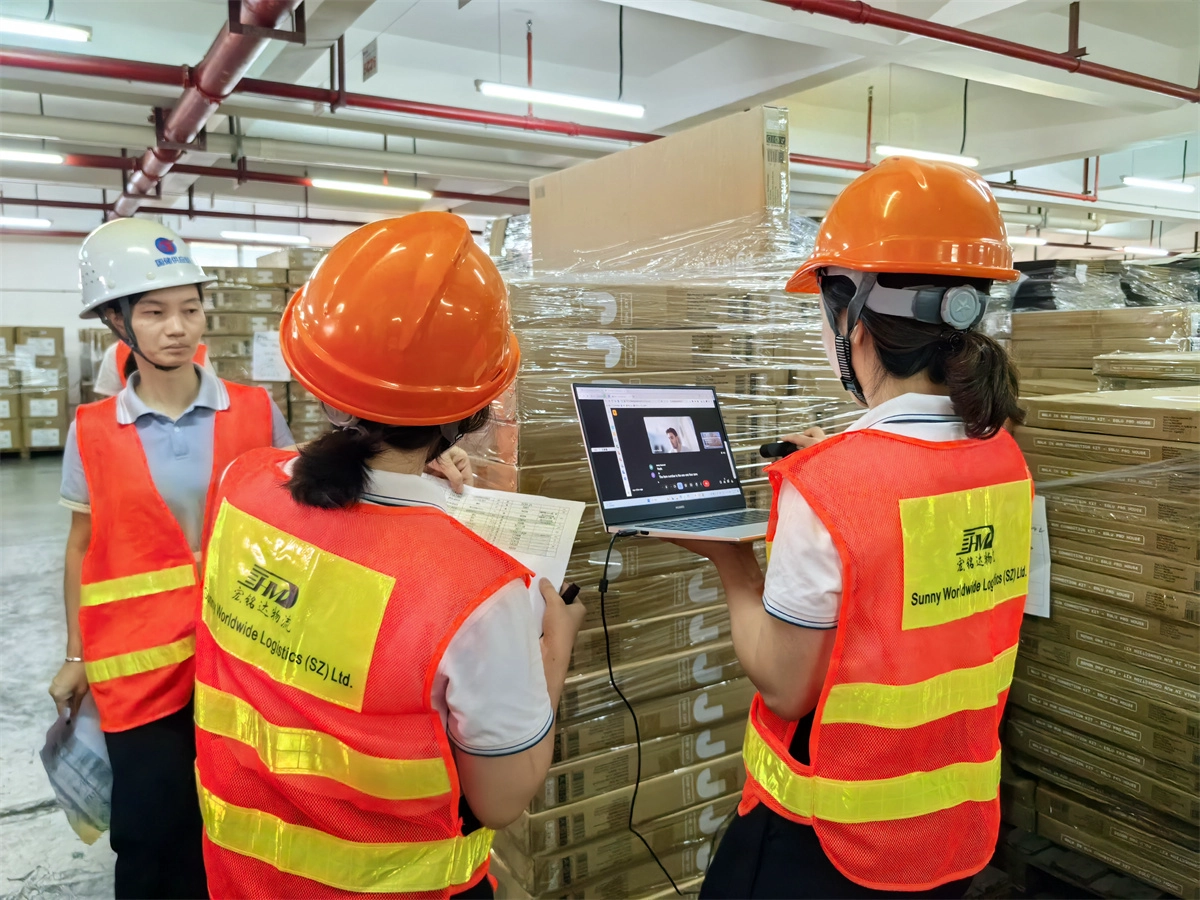
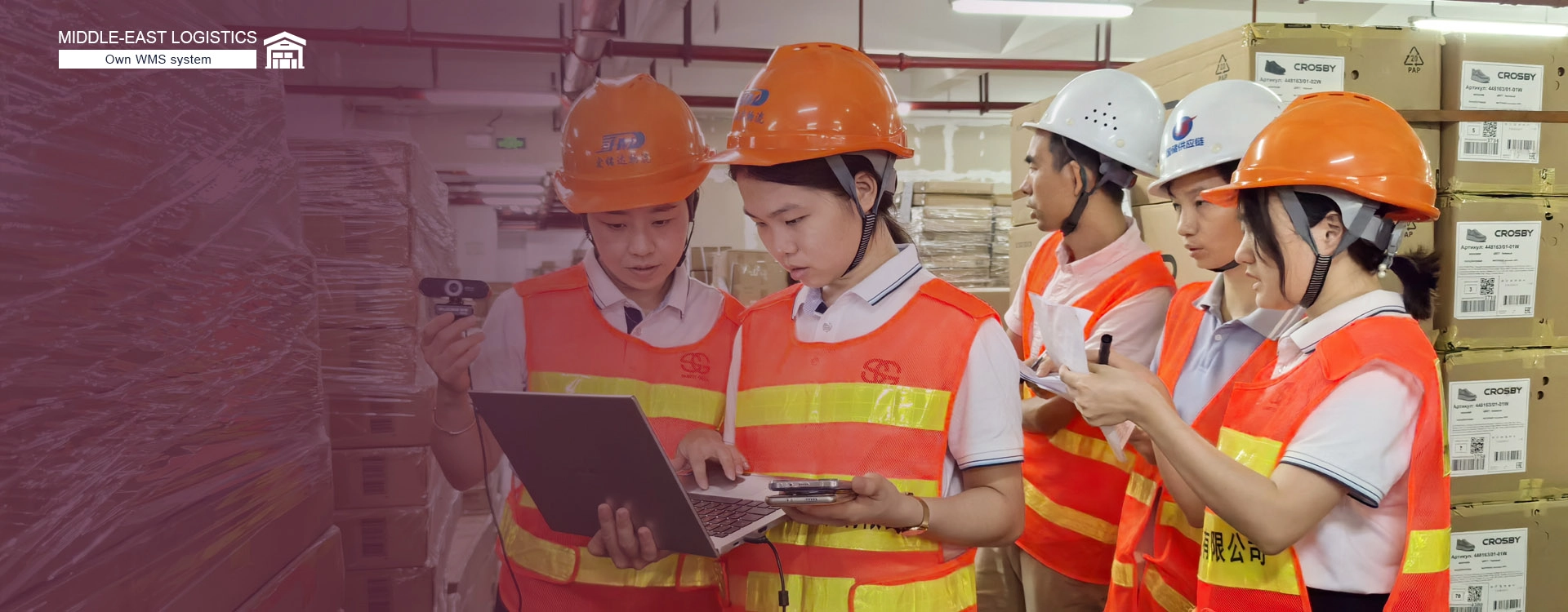
Third, they should track cargo status at any time. It’s better if they have their own freight system so you can check shipping information immediately. All the above points show the company’s real strength.
Fourth, they must be familiar with various customs import and export policies, and answer questions about different shipping conditions smoothly. Check the forwarder’s experience. The cost of mistakes made by inexperienced new staff should not be paid by shippers. Experience is more important than theory. An experienced forwarder operates more professionally and handles unexpected issues efficiently.
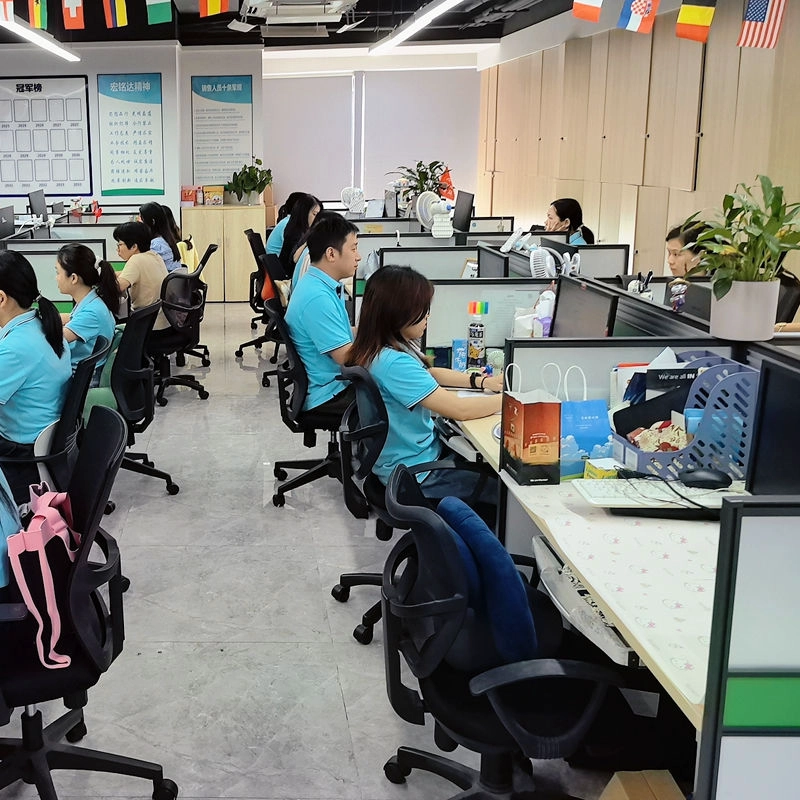
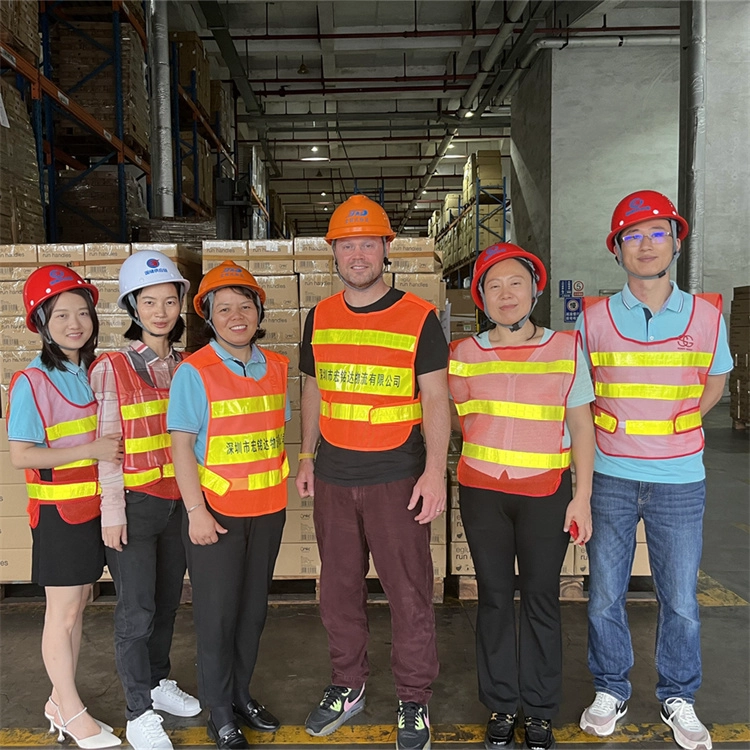
Fifth, don’t fully believe everything a forwarder says. You can listen to them, but don’t trust them completely. If possible, visit their company in person. Check the company’s size and structure, and see how professional their team is and how well they solve problems. Take DL as an example. I always invite customers to visit our company because our strength gives me full confidence. We have nearly 100 employees, and we own the entire 8th floor of Block B, Rongde Times Square, Longgang District, Shenzhen. We are among the top 5% in the industry.
When choosing a forwarder, don’t only go for the lowest price. Some bad forwarders attract cargo with low prices, then charge all kinds of extra fees. In the end, you may even lose your goods completely. So it’s very important to choose a reliable freight forwarder.【learn more】
Case 2
Mistake in Air Freight to Middle East Weight Calculation Leads to Client Refusal to Pay! How We Grew from the Experience
Having been in the air freight to Middle East business for many years, I still remember the mistakes I made due to lack of experience when I first started. Once, a client had 20 boxes of Arabian robes to be shipped via air freight to Middle East. I directly used the dimensions provided by the client to calculate the volumetric weight: 40*30*25 cm per box, with each box weighing 100 kg. I quoted the client based on these measurements and felt quite pleased with myself. However, when the goods actually arrived, the airline’s measurements showed that each box was 55*40*30 cm, and the calculated weight per box was 220 kg—a difference of 120 kg per box! When I informed the client, they refused to pay the price difference. I was stunned—what could I do? Eventually, our general manager stepped in, apologized to the client, and we settled on a compromise price for the shipment. Of course, we made no profit, but at least we didn’t lose money.
Through these kinds of experiences, we gradually learned our lessons. It’s essential to be meticulous when preparing documents and to verify any potential issues accurately. Don’t be afraid to ask more questions. Always measure on-site or request that the client provide videos or photos of their measurements, and make sure to note that the airline’s re-measurement will be considered final.
Freight forwarding companies vary in quality, regardless of the country or region they operate in. Whether it’s air freight to Middle East or elsewhere, we often work with local agents, so finding reliable partners is crucial. We are now a senior member of WCA (World Cargo Alliance) with membership number 87909. The barrier to entry for WCA is quite high—it’s not something just any small freight forwarder can join. In addition to the substantial annual fee, companies must meet certain scale and conditions to qualify. This effectively filters out unreliable small freight forwarders.
When we look for local agents, we only work with WCA member companies. The advantage of this platform is its endorsement. If an agent’s service is unsatisfactory or something unexpected happens, the platform will help coordinate a solution and even assist in protecting our rights. This mutual constraint ensures better service from both sides.
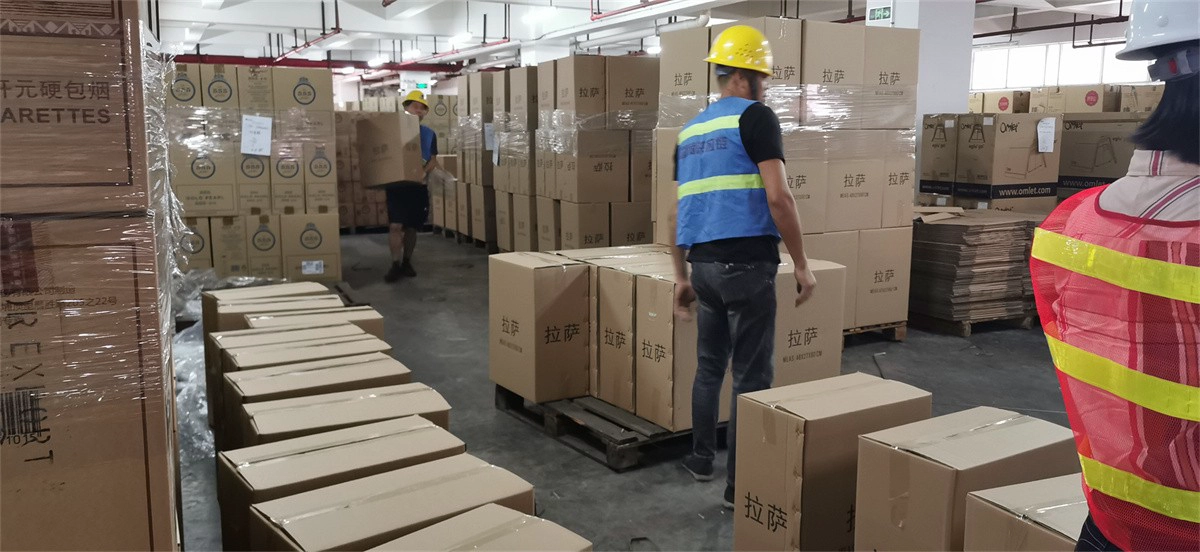
It is precisely by holding ourselves to such high standards that we have secured orders from many large enterprises. For example, we once helped Huawei ship electronic products worth 40 million USD. Huawei doesn’t just work with any freight forwarder—they conduct on-site inspections of the company’s capabilities, warehouse conditions, and even investigate the company’s background, including any major legal disputes. Being able to collaborate with Huawei demonstrates that we are fully capable of serving large clients.
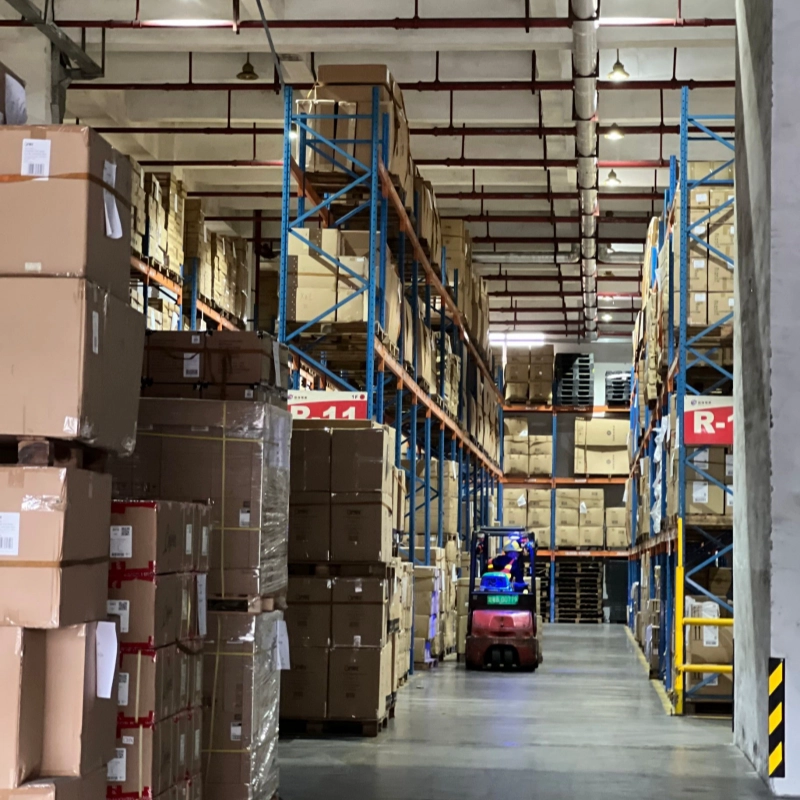
To excel in air freight to Middle East, it’s essential to have strong control over warehouse capacity. We currently operate two dedicated air freight to Middle East routes. One is a direct route from Guangzhou/Shenzhen to the UAE, with 30 fixed pallet spaces per week—averaging about 6 per day. These pallet spaces are leased directly from the airline. Freight forwarders capable of leasing airline pallet spaces must be highly competent and have a consistent volume of shipments. But that’s not all—in addition to the direct route, we also have a route from Guangzhou/Shenzhen to the UAE via Beijing. This route is even more frequent, with flights available every day from Monday to Sunday.
In reality, many freight forwarders claim to be primary operators, but there are different levels among them. Some only have a few pallet spaces per week, while we have 30 pallet spaces for our direct route alone—this sets us apart from the competition.
Many clients looking for air freight to Middle East focus solely on price. However, they often overlook the unique aspects of the freight forwarding industry. It’s crucial to evaluate the company—reliability is the foundation of everything. Many clients initially negotiate prices with me, but after visiting our company and seeing our capabilities and services, they end up signing contracts with us.【learn about】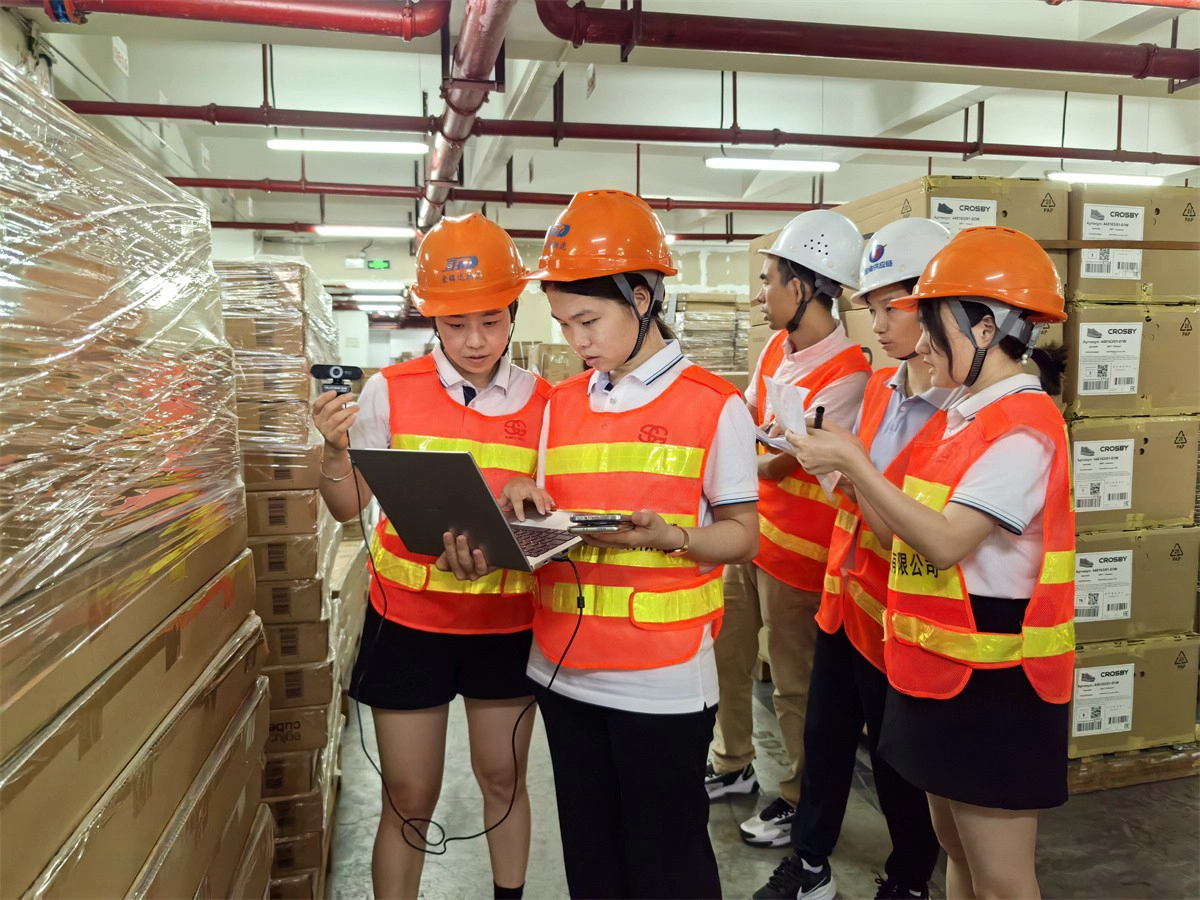
Case 3
A Real Case Study: How to Choose an Air Freight Forwarder to the Middle East
Omar needed to ship a batch of high-value ceramic artworks via air freight to the Middle East. He didn’t dare reuse his previous forwarders because this shipment was too valuable to risk. While small forwarders work fine for test shipments or low-value goods, high-value air freight to the Middle East demands 100% reliability at every step.
Small forwarders rely on limited airline partners or secondary agents. Routes are restricted, communication gets messy, and delays or damage mean slow claims and weak compensation. That’s why you need a capable forwarder.
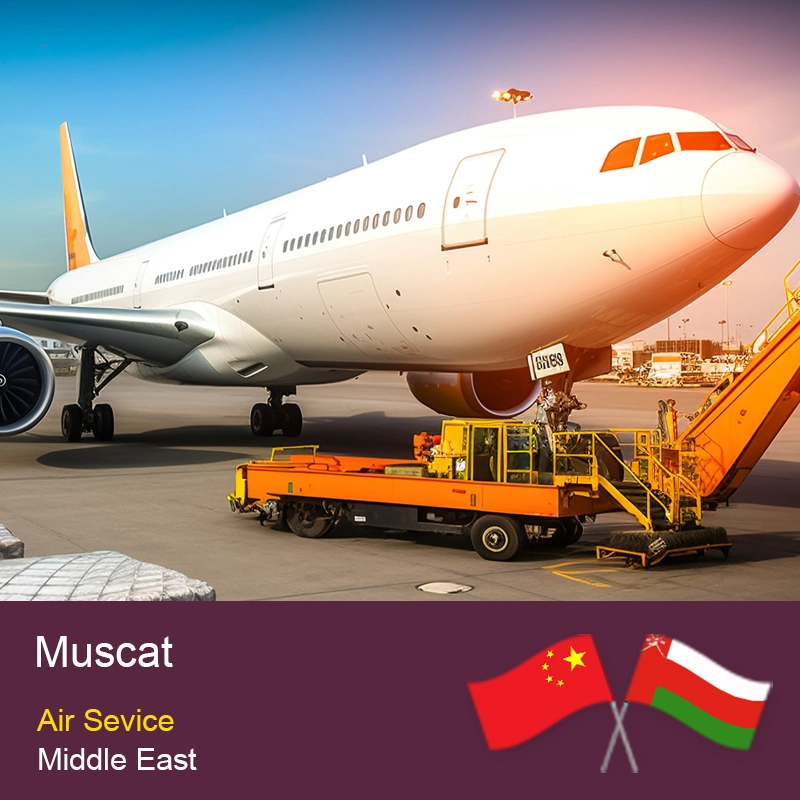
As a major forwarder, we operate two dedicated routes for air freight to the Middle East:
- Direct flights from Guangzhou/Shenzhen to Dubai
- Flights from Guangzhou/Shenzhen to Dubai via Beijing
We book pallet spaces directly from airlines—over 30 fixed pallets weekly (≈6 daily). If an airline overbooks, we activate backup plans instantly.
For example, when a client urgently needed 40 tons delivered to Dubai in 3 days (impossible for small forwarders!), we prioritized their cargo. Small forwarders hunt for available pallets after taking orders, adding 2–3 days to the process. We control the space—urgent shipments fly first.
I asked Omar: "For high-value air freight to the Middle East, do you prioritize price or reliability?" Both matter, but reliability comes first. Then consider pricing.
 We’ve handled high-value goods for clients like Huawei (electronics worth ¥40 million). Big clients vet us rigorously: inspecting our facilities, running background checks, and signing contracts. Their trust proves our capability. We’ve handled high-value goods for clients like Huawei (electronics worth ¥40 million). Big clients vet us rigorously: inspecting our facilities, running background checks, and signing contracts. Their trust proves our capability.
New clients often negotiate hard, unsure if we’re just "another forwarder." So I show them our operations live over video.
We own the entire 8th floor (1,800 m²) at Rongde International Building, Block B, Longgang, Shenzhen.
Many forwarders own offices or run Middle East routes—but few do both. Finding a second like us? Tough.
After the video tour, Omar felt reassured. We delivered his ceramics safely to his Dubai warehouse.[learn about]
|