
















A 10-Year Freight Forwarder’s Honest Advice: How Should You Ship Your Cargo to the Middle East?
I’ve been in international logistics for over a decade, and I’ve seen too many clients lose money or goods because they chose the wrong forwarder. Today I’m not selling anything – just sharing pure practical tips on how to pick a reliable logistics partner for the Middle East. We specialize in Shenzhen to UAE freight forwarder and Shenzhen to Saudi Arabia logistics, and we’ve stepped in more pits than you can imagine.
First thing first: learn to spot a “bad forwarder”
Low price is one of the hallmarks of a bad forwarder. How to tell a bad forwarder? It’s actually very simple. First, look at the price. If they give you a very low price – I do international logistics myself, and when I see that low price, I have to question it. I’d only trust about 30% to 50% of it. How can you ship my goods overseas at such a cheap rate? How is that price even calculated? Low price is one of the hallmarks of a bad forwarder – remember that.
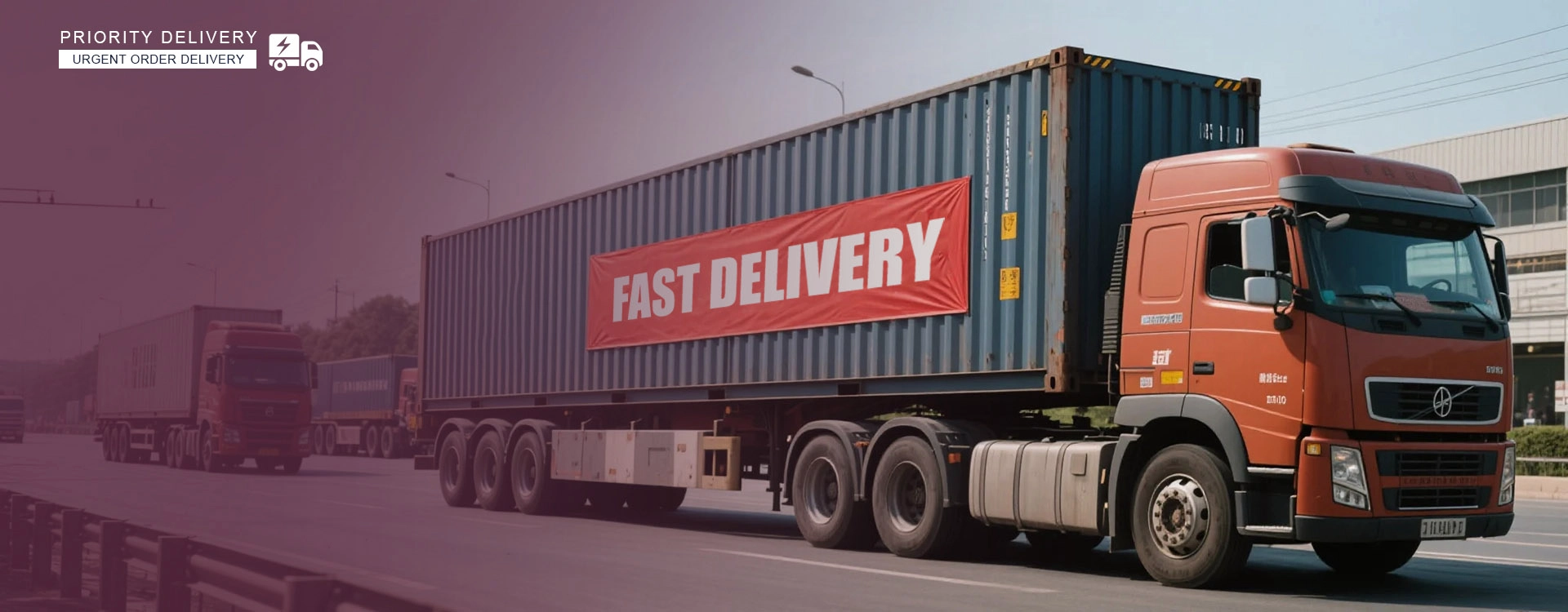
Second, check whether this company is just a reseller or whether they actually build their own routes, their own containers, their own flights. If they are just a reseller, they might not intend to cheat you, but who knows if their agent, or their agent’s agent, has problems? For example, China to Dubai door to door shipping sounds simple, but if it goes through three or four middlemen, nobody can tell you where your cargo is.
If it’s their own channel, they still need to make a profit on the price they charge. They have to earn that money, and to earn it, won’t they look for even lower-cost providers? You chose a low price, but that doesn’t mean your agent will choose a good quality channel for you. No profit, no service – that saying is absolutely right.

Second: evaluate a company from three angles
As a practitioner with ten years of experience, I’ll teach you how to choose – starting from the company level, not the route level. I think there are three key points.
First, look at the company’s background. When was it established? Is it a big company or a small one? Does it have its own risk-bearing capacity? Does it own its own channels? Is it a one-stop service with in-house operations? For instance, when we talk about China to Riyadh DDP shipping, if the company doesn’t have its own customs clearance team and overseas warehouses, it can’t truly deliver on DDP.
Second, choose an experienced and professional salesperson. The service of a company’s sales team is really important. If you pick a good salesperson, they will follow up on your cargo professionally, provide proper advice, and make a solid shipping plan for you. The salesperson is truly crucial.
Third, understand the founder’s background and philosophy. You need to know the founder’s character and business values. If any problem arises, the founder’s decision is the company’s decision. If you get these three right, you’ve chosen a good partner, which will benefit your own company’s growth in the long run.
Third: don’t just stare at the price
If you only go by price, when the market is calm and everything goes smoothly, every company can perform. But international logistics has many uncontrollable factors. When unexpected events happen, risk-bearing capacity becomes vital.
If the profit margin is squeezed to the bone, there isn’t enough buffer to handle risks. Take Shenzhen to Saudi Arabia freight forwarder – sea freight takes over 30 days, air freight at least a week. Delays, customs inspections, tariff changes – a company without sufficient profit won’t have the resources to solve these problems for you.