
















Air Freight Of 15 Laser Units To UAE: Full Risk Handling
Mr. Zeng was in a hurry to ship 15 industrial laser measuring instruments from China to UAE. When I heard that, I said, "Mr. Zeng, you must use air freight for this. But it's not a small quantity – 15 pallets, one by one, over 8 tons of cargo."
What's more, these devices contain batteries – they are sensitive goods. They are high-precision optical equipment, very sensitive to vibration. The bumps during transport can cause trouble – at best, it affects calibration data; at worst, it can knock the optical components out of alignment, making accuracy drop sharply. Repairing one unit could cost hundreds of thousands.
Mr. Zeng had done his homework – he already had MSDS and UN38.3 ready. I said, "Since these devices are so delicate, we need to go the extra mile."
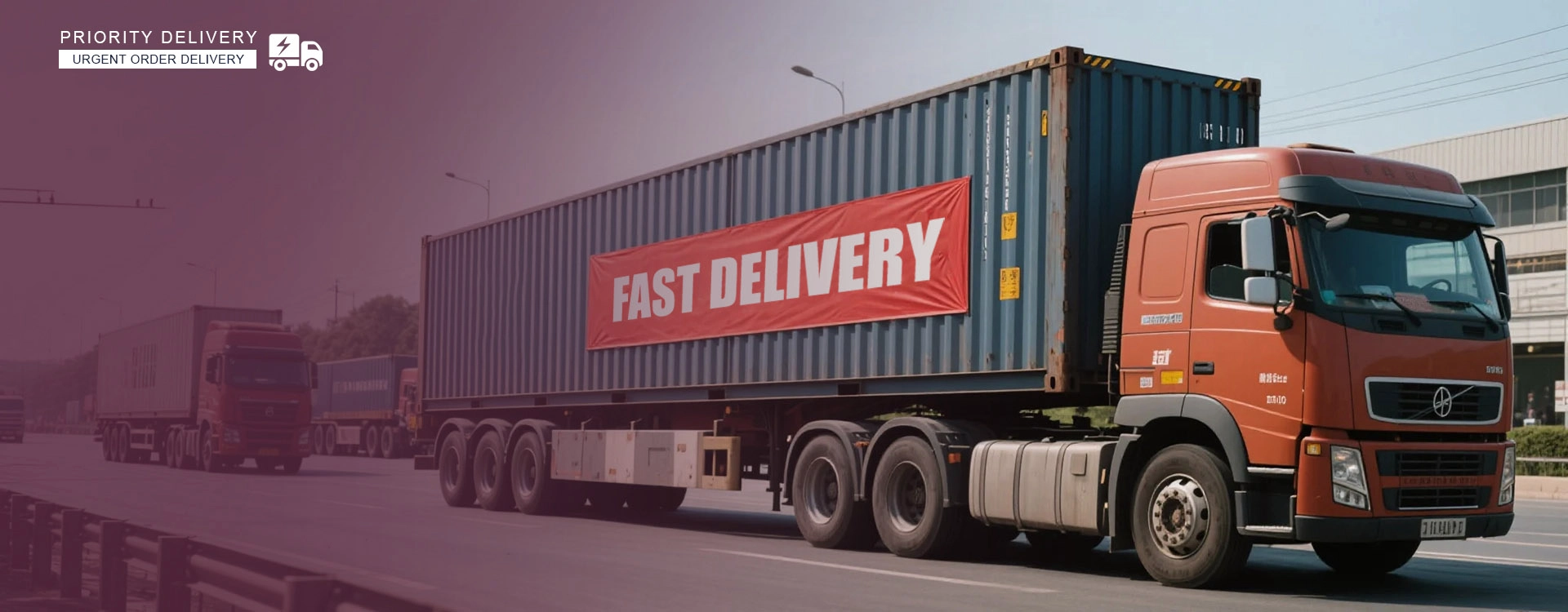
First, moving them from Shenzhen to Hong Kong Airport is a big deal. It's only about 100 kilometers, but you know the roads in Shenzhen – construction everywhere, speed bumps one after another. A regular truck is out of the question – the suspension is too stiff. One pothole and a big jolt – that would be fatal for these devices.
So we directly used an air-ride suspension truck. This is a special vehicle with airbag suspension all around. No kidding – it looks like a normal truck, but if you look closely, the chassis is totally different. There are over a dozen airbags fitted. When going over bumps, the airbags expand and absorb energy, keeping the ride smooth with minimal vertical movement and very low vibration in all three axes. In simple words, it's a special truck with excellent shock absorption.
I gave Mr. Zeng an analogy: "A normal truck goes 'bang' over a speed bump, but an air-ride truck goes 'puff' – a gentle sway, you barely feel it."
Loading is also a technical job. Mr. Zeng's factory is in Bao'an. The forklift operator had to lift and place each pallet gently – no rushing. We left enough space between pallets, then secured them with straps and anti-slip mats. Also, the deck of the air-ride truck can be adjusted to any height. Before loading, we leveled it so the cargo wouldn't tilt or get lateral pressure. This small step is something a regular truck can't do.
Especially when crossing the Humen Bridge – that road is bumpy. But the airbags did their job, absorbing everything. On the deck, you could hardly feel a thing.
Another problem: these optical devices hate fogging. If moisture gets trapped inside, accuracy is ruined. Those days in Shenzhen happened to be the humid "hui nan tian" season – humidity over 95%, outdoor temperature around 25-26°C. If we had transported them in the open, condensation inside the instruments was inevitable.
So we used a temperature-controlled container. This unit can both cool and heat – essentially it controls temperature and humidity. Mr. Zeng gave us the technical specs: temperature at 20°C, humidity below 60%.
You may not know this, but you can't just plug in a temp-controlled container and load immediately. You have to pre-cool it in advance. Otherwise, when you first turn it on, the temperature difference between inside and outside is too big, and moisture rushes in – it won't work. So we brought the container to Mr. Zeng's site a day early, ran it overnight, and the next day when we opened the door, the internal environment was stable. Only then did we start packing.
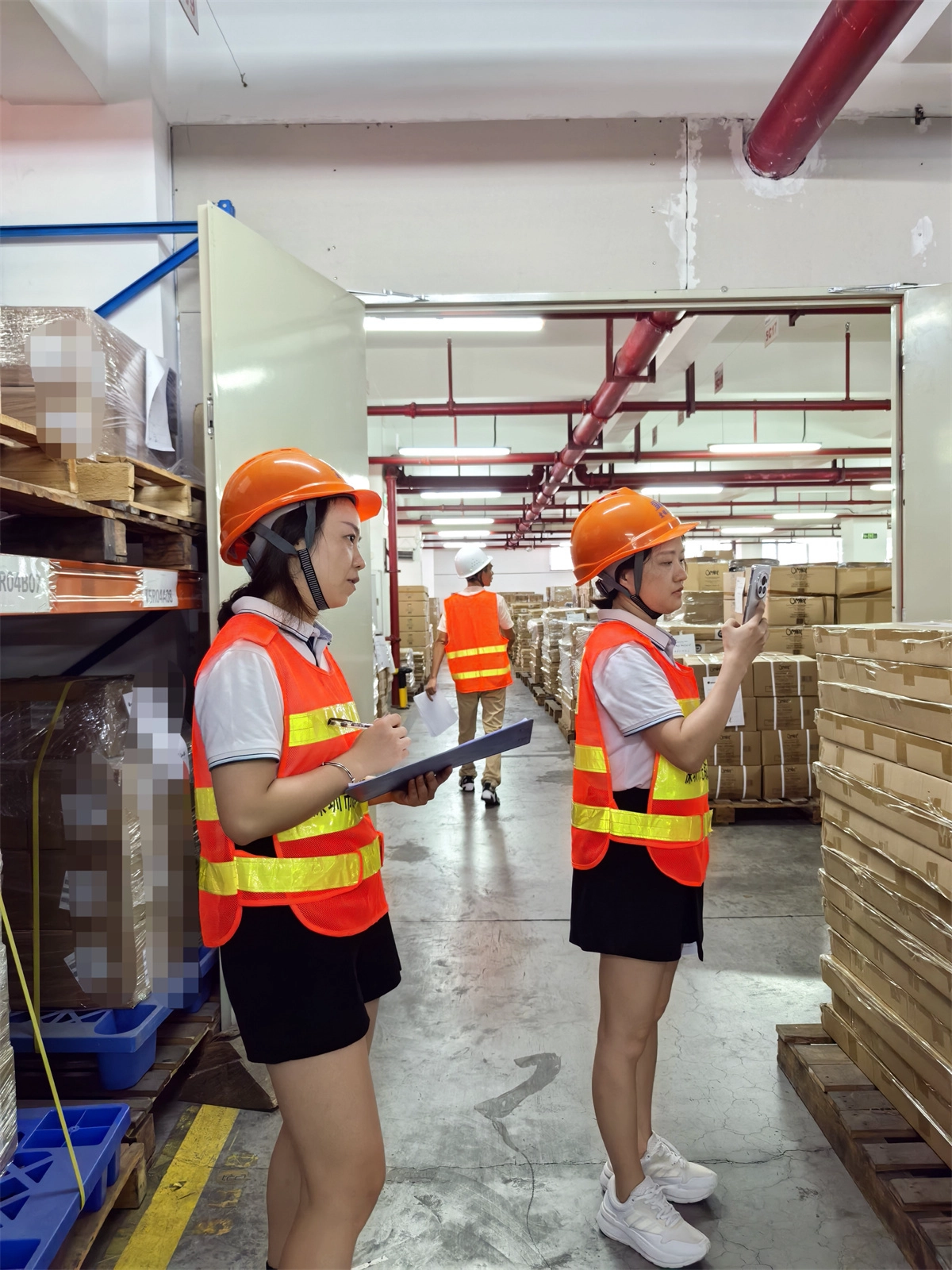
Packing wasn't casual either. Each unit was first wrapped in an anti-static bag, then two layers of bubble wrap. The key point: we packed lots of desiccant inside. Finally, we moved them into the temp-controlled container.
The main thing: on the road from Shenzhen to Hong Kong, we used the vehicle's onboard power to keep the container running continuously. We also monitored the temperature and humidity readings the whole way to make sure they stayed within Mr. Zeng's required limits.
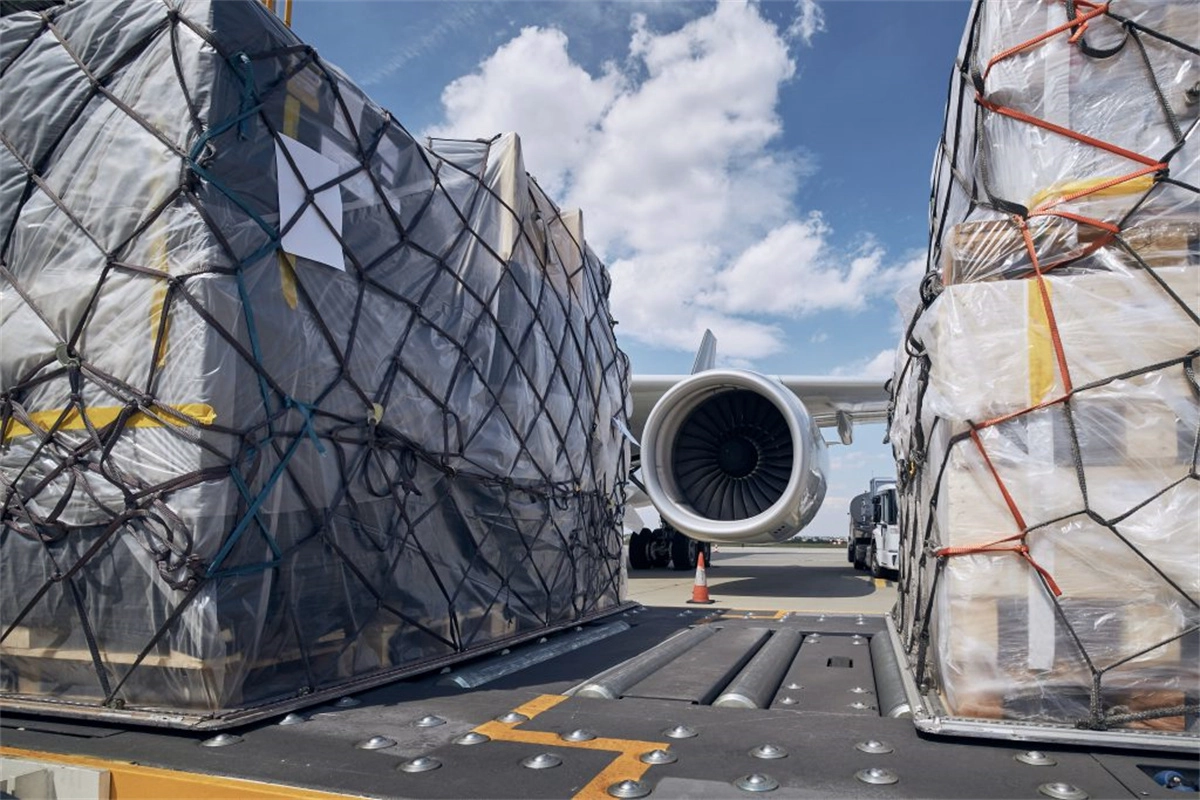
At the airport, there was another critical point – the waiting time in the build-up area before loading. We all know Hong Kong's weather – the tarmac can fry an egg. It's common for cargo to wait one or two hours in the build-up area. If Mr. Zeng's shipment had to wait that long, everything would get hot, and all our previous efforts would be wasted. So we coordinated with the airport cargo terminal in advance to arrange a temporary storage area with power outlets. As soon as the cargo came off the truck, we plugged it in – the gap was less than five minutes.
After that, once it entered the aircraft hold, things were fine. The hold has all the necessary equipment, and temperature and humidity are well controlled.
You see, shipping from China to UAE sounds easy – just a few devices, right? But if any link in the chain goes wrong, this whole shipment would be lost. This is the "bucket theory" – one unforeseen mistake, and all the hard work is wasted.