












Dubai Air Freight Rolled? Ask If Your Forwarder Has Pallet Space
Ade has a batch of auto parts to ship. In my years in shipping from china to uae, the sentence I fear most from clients is: “The forwarder is trying hard, but they are always half a beat late.” Before this, his cargo had always gone by Dubai air freight. This time it was a batch of auto parts, 7–8 tons of various goods, out of a warehouse in Longgang, Shenzhen, and it had to go to a designated warehouse in Jebel Ali, Dubai. The previous forwarder said “no problem” every time. But the delivery date kept slipping. They said it could go out tomorrow. Tomorrow you ask, and the answer is always: the airline rolled the cargo, space is tight, just wait. You can’t even tell what is really going on.
Plain talk: the problem is usually not whether they work hard. It is whether they can control space. Once the airline rolls cargo, small forwarders usually don’t have their own blocked pallet positions. They have to go back to the market and buy space from first-hand wholesalers. If they find it, fine. If not, they wait. One day of waiting, and the client’s warehouse, trucks, and customs clearance all get messed up. That is where the half-beat delay comes from.
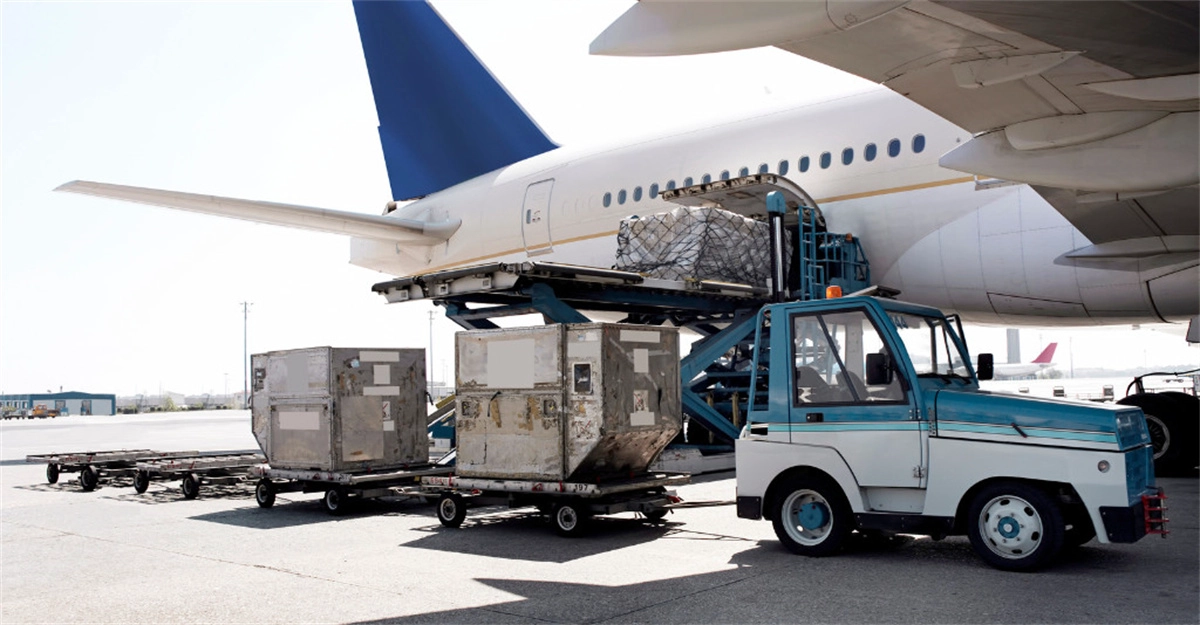
Dubai air freight is not a high-barrier business. Many people work at a big forwarder for years, get good at the job, then leave to start their own company and become the boss. But you don’t know how expensive daily life is until you run the house yourself. When you run it yourself, you find out the key is just two words: transit time. If a client doesn’t want slow shipping and chooses air freight, they want speed. For example, 7–8 tons of auto parts, and the client needs it delivered to a designated warehouse in Dubai within 5 days. Not one day more. At that point, whether the forwarder has its own pallet positions makes all the difference.
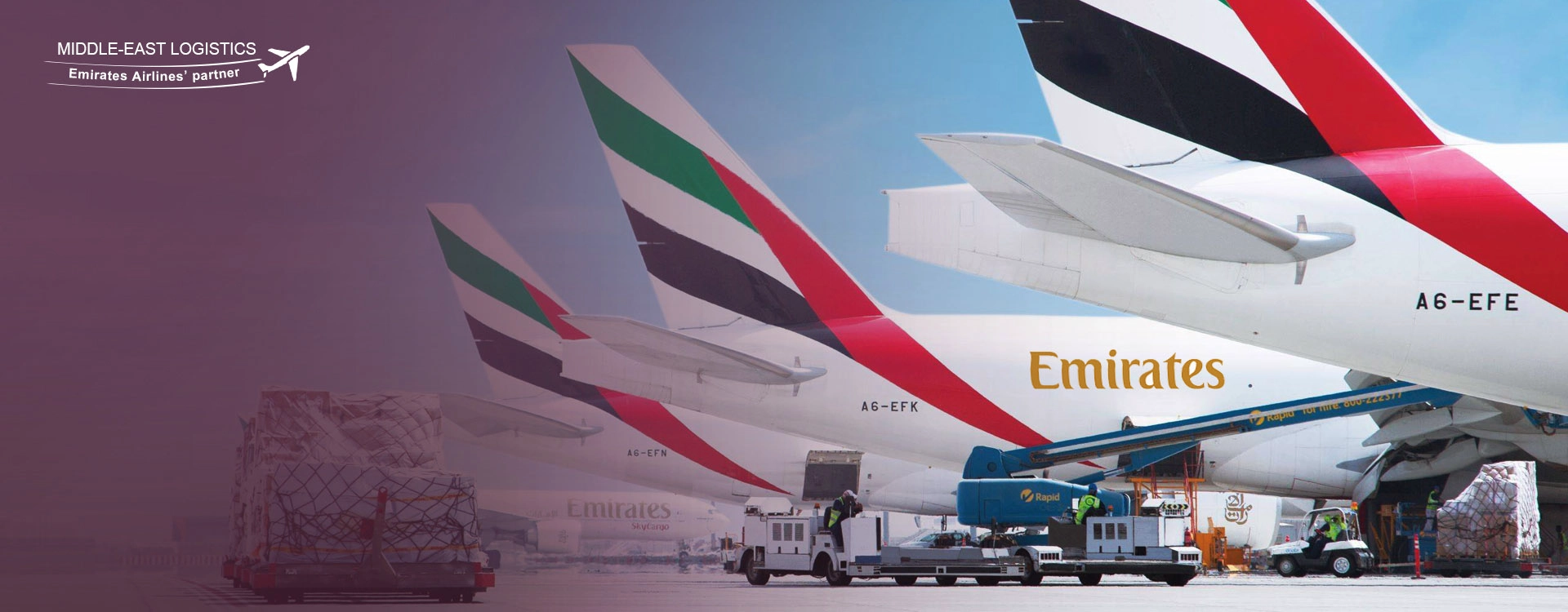
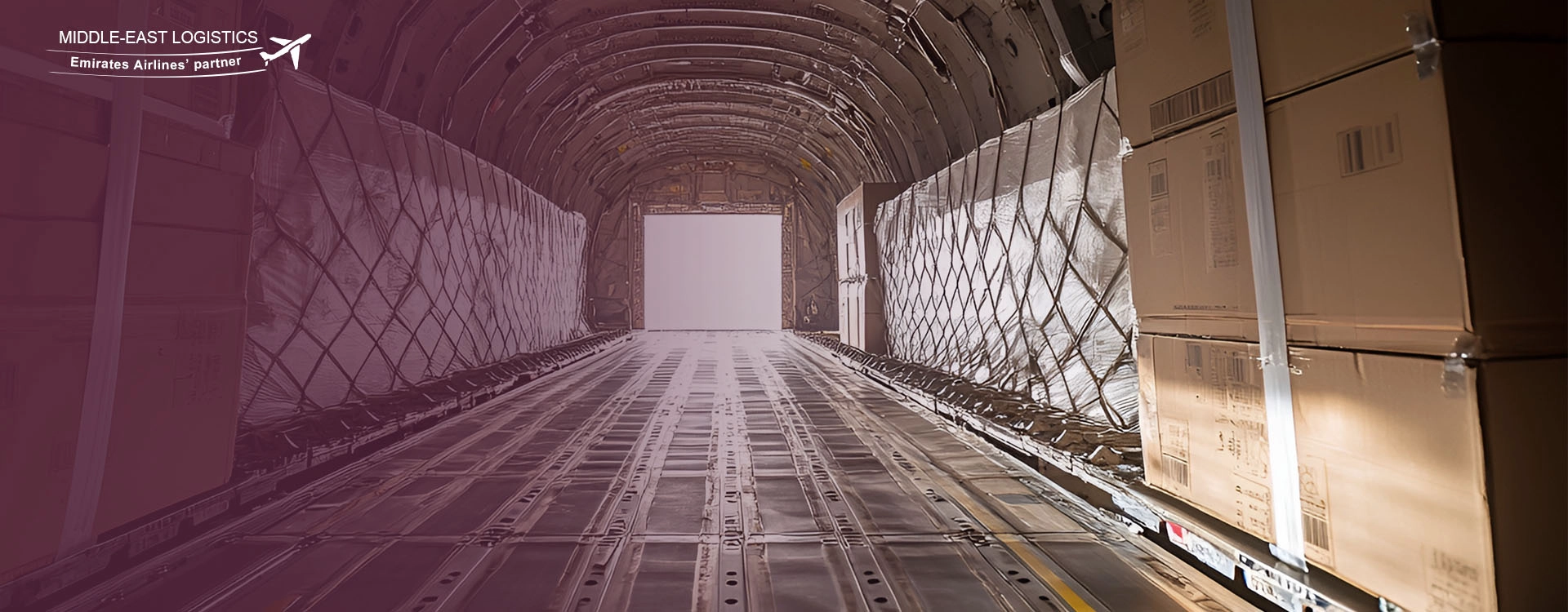
Space control doesn’t come from the wind. To become a block space agent, a forwarder needs enough capital and enough cargo volume. Airlines usually don’t deal with small shippers one by one. They mostly block fixed pallet positions to strong agents and charge a fixed fee. The agent then has the power to decide how to allocate the positions and whose cargo goes on first. Urgent clients’ cargo goes first, and that is how transit time stays stable.
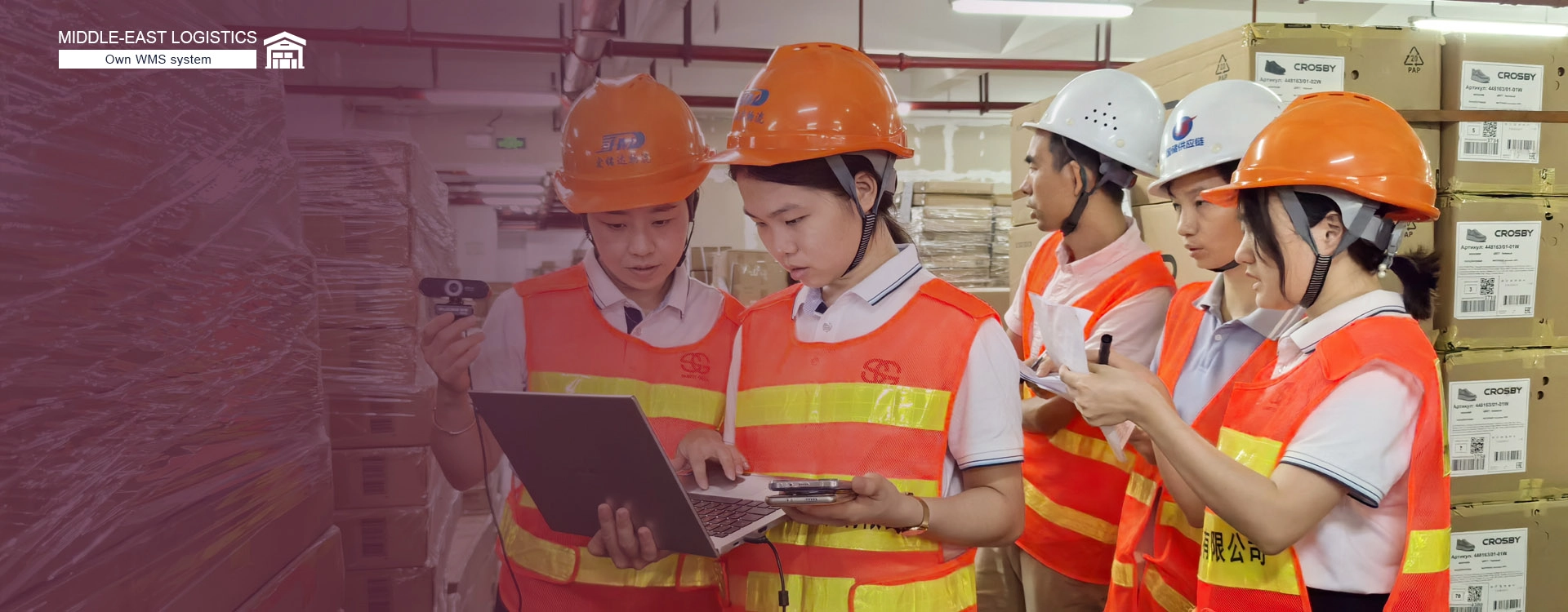
Let me use our side as an example. I’m not saying you must choose us. I’m telling you what the standard looks like. We were founded in 1998. We have nearly 100 employees. The whole 8th floor, Tower B, Rongde International Building, Longgang District, Shenzhen is self-purchased, not rented. I mention this so you know what size forwarder to look for. For Dubai air freight, we have 2 dedicated routes. One is direct from Guangzhou/Shenzhen to Dubai, with 20 fixed pallet positions per week, 4–5 direct positions per day from Monday to Friday. The other is Guangzhou/Shenzhen to Dubai via Beijing, available every day from Monday to Sunday. Direct is fast. Transit adds about 1 day, but the cost is about 10% lower. For shipping from china to uae, when clients think direct flights are too expensive but don’t want to wait too long, transit is a compromise. With both routes running, capacity and transit time can support big cargo.
Many clients only stare at who quotes the lowest price. That is really risky. For shipping from china to uae, from origin pickup to the destination warehouse, there are many steps: pickup, customs declaration, palletizing, airline, transit, destination airport, customs clearance, and delivery. If any link breaks, the client ends up waiting. When choosing a forwarder, don’t just listen to promises. Ask three questions: Are the pallet positions yours? If cargo gets rolled, how do you fix it? Can you mix direct and transit flights?
Later, I went through the details with Ade again. He was satisfied. A week later, the shipment arrived at his designated warehouse smoothly. It’s not magic. It’s pallet positions, space control, and backup ability.