











Freight Forwarding Is More Than Shipping – Pre-Inspection Saves Buyers Trouble
Syed runs an industrial robot repair shop in Sharjah, UAE. His main job is replacing gearboxes for robotic arms in factories. Of course, for industrial robots, he sources from China – that’s a given. This time he needed a full set of high-precision planetary gearbox parts: housings, gears, planet carriers, bearings, seals. These parts come from five different factories – in Dongguan, Foshan, and Zhongshan.
Altogether, the cargo weighed 4.3 tons gross, about 5 cubic meters. In the past, for shipping from China to UAE, he mostly used sea freight. But this time, one of his large robotic arms broke down completely – he couldn't wait for a ship. So he told me, no choice, let's do air freight this time.
For bulk purchases, Syed always comes to inspect the goods himself. He used to visit every factory one by one. He's busy – four days to cover five factories across three cities, plus travel time. Think about the flight tickets and time cost – huge.
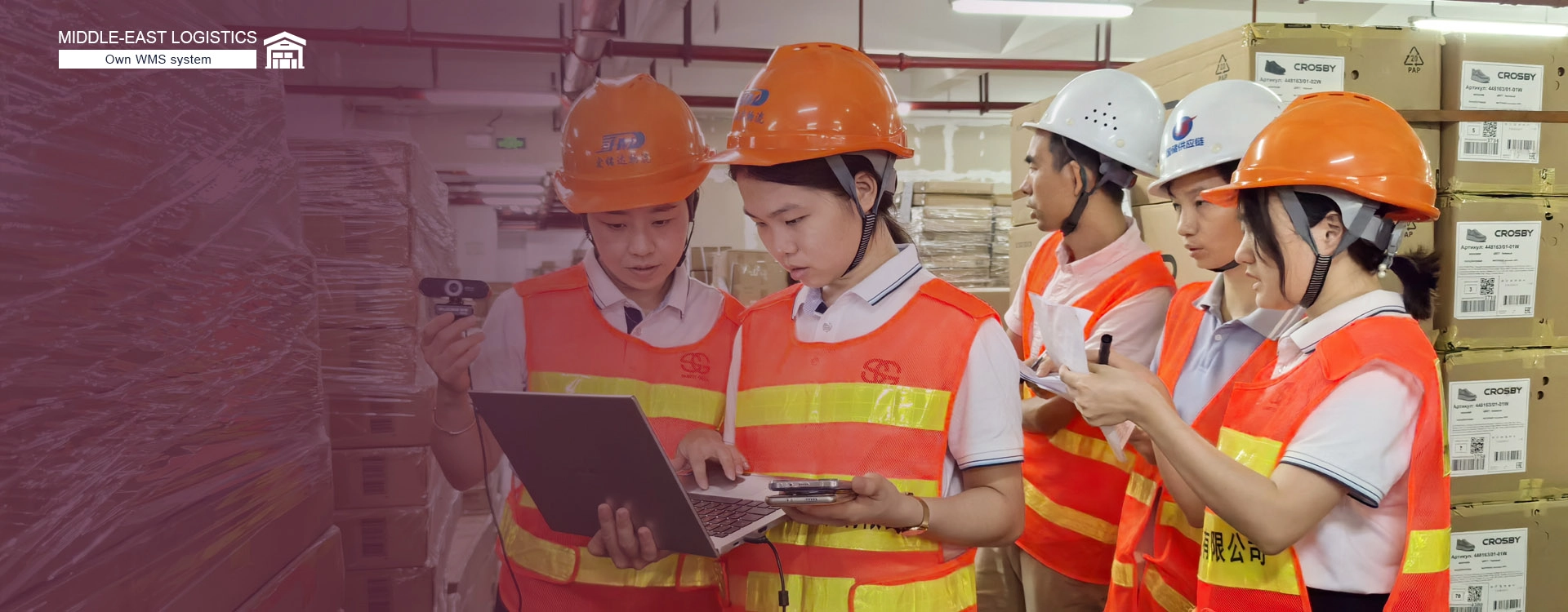
I talked with him: "We've been forwarders for years. We're not industrial experts, but we've seen a lot. We can handle simple inspections – not the high-tech stuff, but we understand surface specs. How about I take our quality guy and visit the factories ahead of you? We'll check the semi-finished and finished product reports at each place, take photos and videos for records.
If we spot issues, they can fix them on the spot. That solves most problems. Then when you arrive, you just do spot checks. Saves time and boosts efficiency." Syed said, "That's great! I've wanted that for a while, but I thought you wouldn't agree, so I never asked."
We're based in Shenzhen, and the three cities are not far. So we visited each factory. Four factories were fine – but the gear factory said they needed another week. I said no way. Syed chose air freight because he's in a hurry – a week's delay is too much. I found their production supervisor, explained Syed's situation, and got him to agree to have workers do two shifts to catch up.
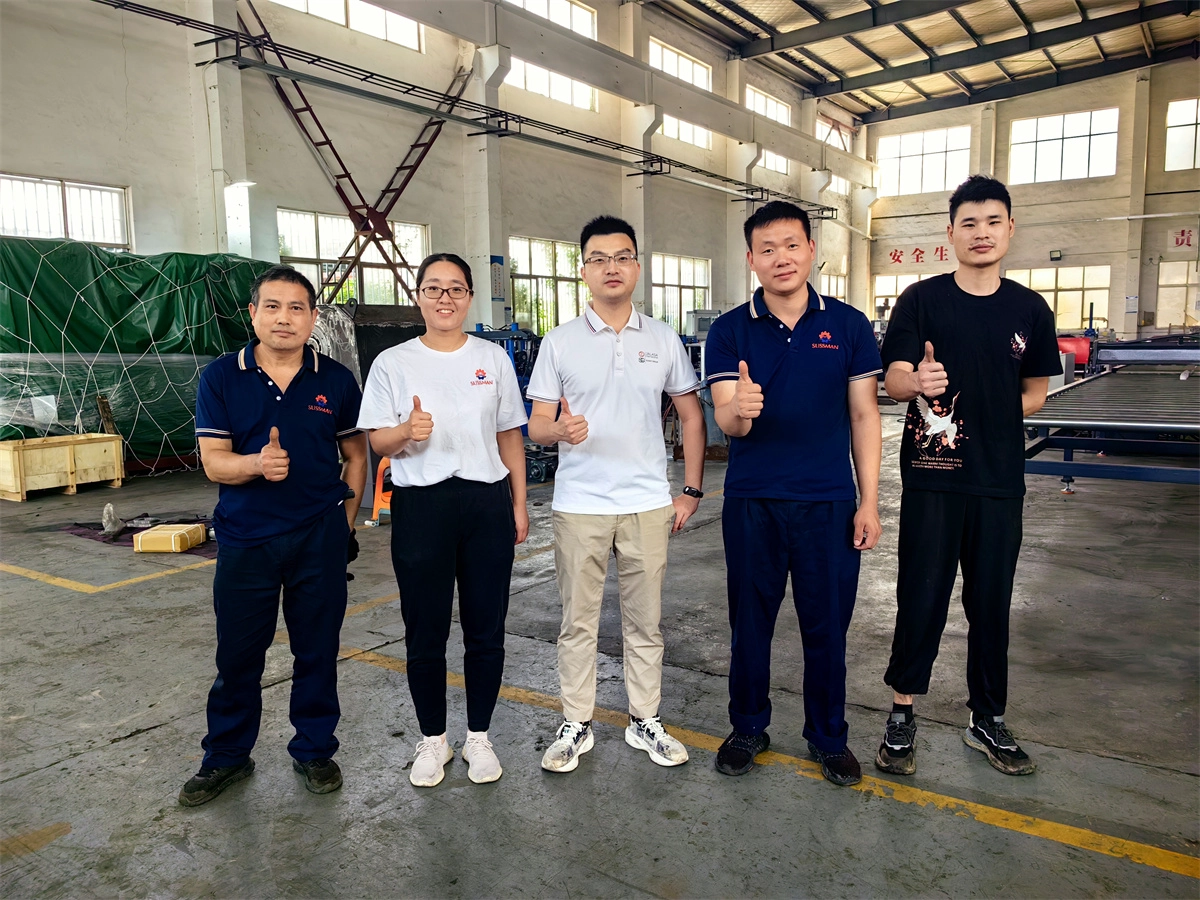
When Syed arrived in China, I accompanied him to each factory. At the housing factory, the goods were already packed. He tapped the carton and frowned. It was regular five-layer corrugated box, with two layers of EPE foam inside. But the housing is cast iron, over 20 kg each – four per box, nearly 100 kg gross. For shipping from China to UAE by air, the boxes go on conveyor belts, forklifts, and pallets – the jolts are almost as bad as sea freight, plus big pressure changes. If the box isn't sturdy and breaks open, that's trouble.
He shook his head – his Chinese isn't great. The factory manager came over, and I acted as interpreter. In the end, we agreed: the packaging wasn't acceptable. Must use double-wall reinforced cartons, each housing in a separate bubble bag, L-shaped corner protectors, and two layers of stretch film outside. Think about it – if they get damaged, the return shipping costs more than the goods. The manager was reasonable and immediately arranged repacking.
Overall, because I had done the pre-run, I got the factories to fix what I could ahead of time. So Syed's four-day trip was done in two days. He was much more relaxed – and spent the remaining two days sightseeing in Shenzhen.
We can't handle deeply technical or high-precision tasks. But simple, surface-level work – that we can do. And that solves most of our clients' problems. Honestly, a freight forwarder can't do everything – but wherever we can, we try to carry a little more for our clients.