













Shipping From China To UAE: Who Pays When Glass Vases Break?
In October last year, Karim bought 60 boxes of handmade glass vases and ceramic incense burners in Yiwu. He needed to send them to Dubai. The goods were worth about USD 80,000. He hired a Shenzhen freight forwarder and chose air freight from Guangzhou to Dubai. But the packing from the factory was really not good. Each vase had one layer of bubble wrap, just a simple bubble bag. The ceramic incense burners had EPE foam sleeves. In short, it was packed to domestic shipping standards. The outer cartons were five-layer cartons, but the bottom only had a thin layer of foam. The empty space inside was filled with some waste paper. No pallet.
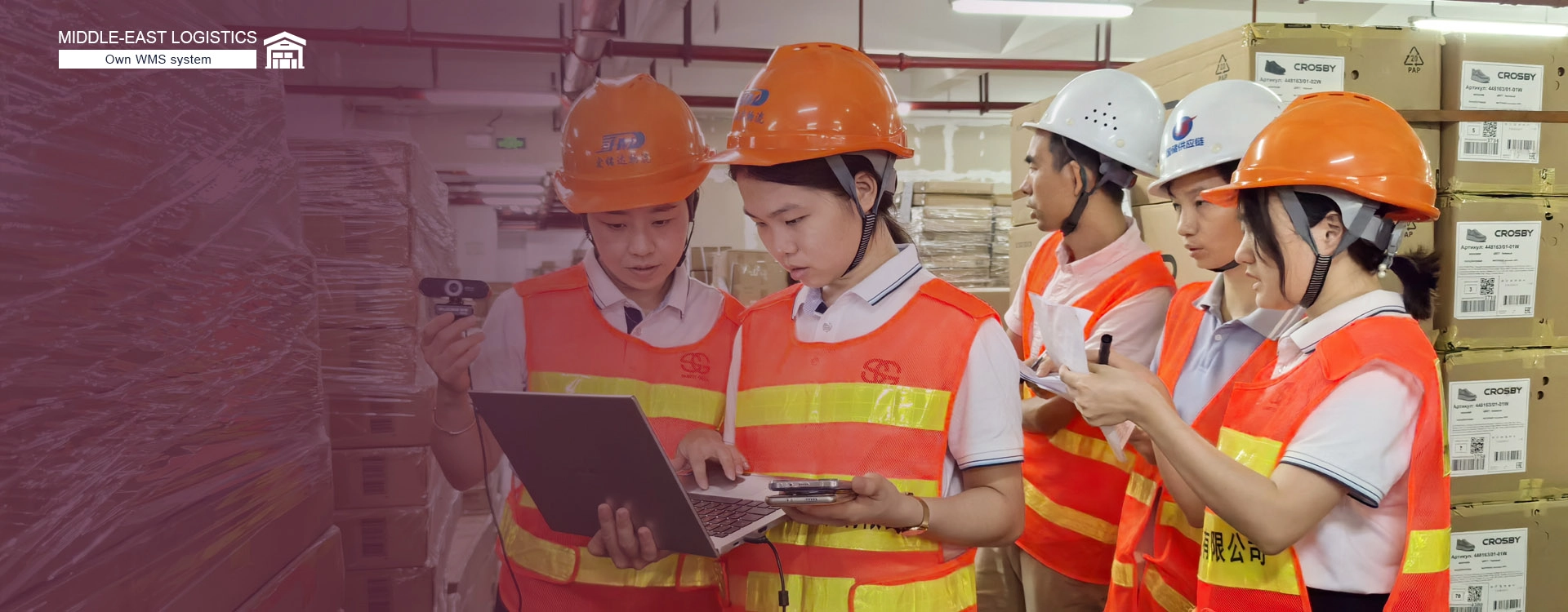
The forwarder did a spot check on three cartons at the warehouse. The top cartons looked okay, and the outer cartons were hard, so they labeled the goods and handed them to the airline.
Then the flight had transit handling and turbulence. The cartons pushed against each other in the cargo hold. When they were opened in Dubai, several cartons had problems. In total, 23 glass vases cracked and 11 ceramic incense burners broke. Karim lost it. He argued with the forwarder for days. The forwarder said, "We only handle transport. Packing is the factory's job. You should talk to the factory." Karim said, "You are a professional forwarder. You should have predicted the packing was not good enough!" In the end, they went back and forth and got nowhere.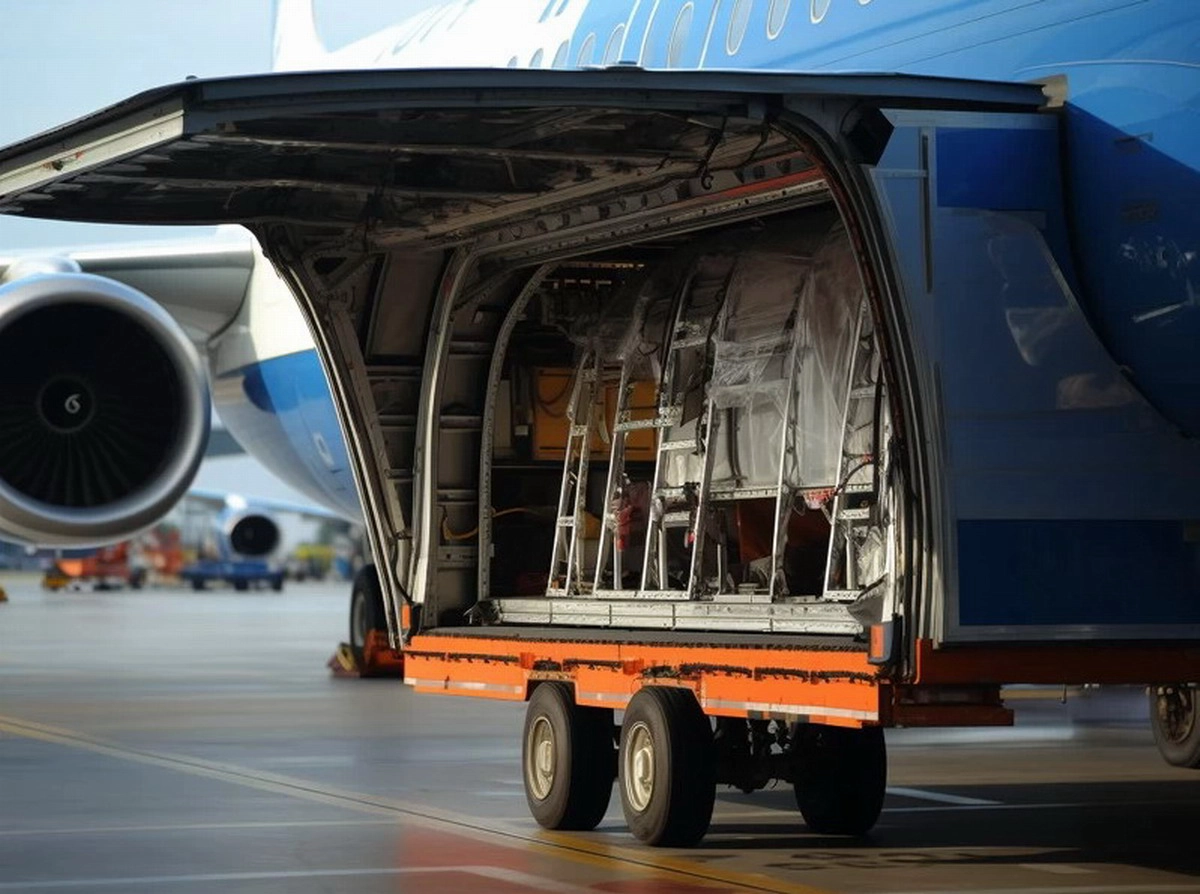
Later I talked with Karim. To be fair: contract-wise, the forwarder may really have no responsibility. But from the angle of being responsible to the customer, if the forwarder had shaken the cartons during the spot check and asked them to fill the empty space, this might have been avoided. I know this best. One reason is luck. Will packing like this always cause problems? Not always. Another reason is that adding packing adds freight cost. No customer wants to see extra freight cost.
The result is lose-lose. In shipping from China to UAE, I have seen too many lessons. So when we see packing like this, we refuse to ship. It must be fixed and pass inspection before we release it. It is not that we are difficult. Air freight has transit handling, turbulence, and stacking. Any step can hurt fragile goods.
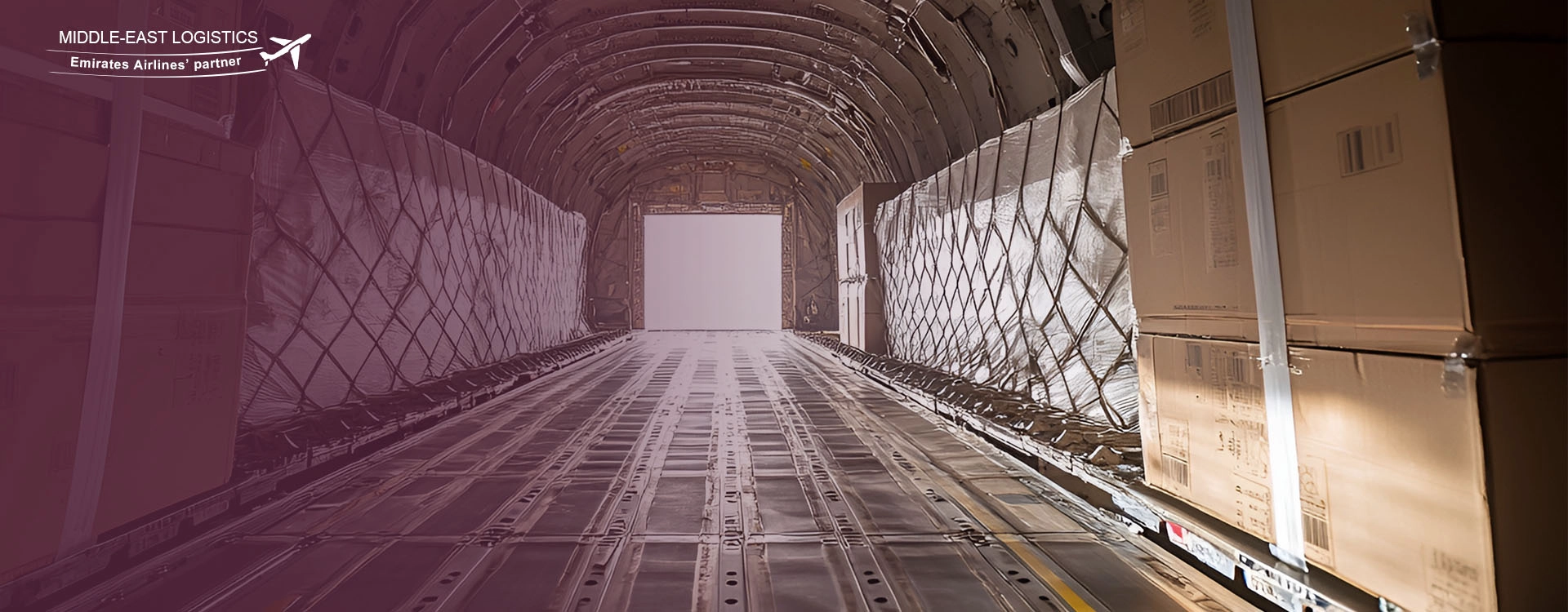
I told Karim: for fragile goods by air, don't just look at whether the box is hard. Each item first needs bubble wrap, at least two layers, and EPE foam on the corners. Don't leave the bottom empty. Put a 5 cm foam or EPE layer at the bottom. Fill the sides too. Before sealing, hug the carton and shake it. If you don't hear anything moving inside, then you can hand it over. For the outer carton, use five-layer corrugated board if you can, not three-layer. For heavy or valuable goods, use plywood wooden boxes or wooden frames. Don't save this money. Put on fragile labels, this-way-up labels, and moisture-proof labels. For many cartons, better to palletize and wrap them, so they don't move around in the air pallet position. At the warehouse, we still spot check. If it fails, we take photos and ask the factory to fix it. If they can't fix it, we change the packing. It is not that we are difficult. Air transit handling really does not listen to reason.
Over the years, we have made case photos into files. Which packing looks reliable but fails in Dubai, and which costs a few dollars more but stays safe. We send them directly to customers to look at.
The real point is not "checking packing one more time." It is experience. For shipping from China to UAE, the scariest thing is not high freight cost. It is the goods arriving broken. Packing cost goes up, but the damage rate goes from "possible" to "very low." The total cost actually goes down. We have two air freight direct lines for shipping from China to UAE. Many factories hire a forwarder. The forwarder hands it to another forwarder. It gets passed around and ends up with me. Simply put, we are the source. Later Karim arranged the shipment. 7 days later, the goods arrived safely at his assigned warehouse in Al Quoz, Dubai.