
















The Real Income of Freight Forwarding Companies
How much do international freight forwarders really earn? Many freight forwarder bosses may feel hurt when they hear the truth.
Recently, I saw an internal industry report on international freight forwarding. It divides monthly income into seven levels. If you’re a boss running air freight to Middle East lines, you can check which level you’re in.
Level 1
Monthly income under 20,000 RMB — small family-run offices.
These small offices make up about 60% of the industry. Usually run by one person or a couple, they rent a small booth, help others book space, and prepare customs clearance documents.
Most only take small orders: personal packages or sample orders from small foreign trade companies.
These bosses often take home only around 10,000 RMB per month, while tracking shipments every day.
Business mostly comes from friends and old contacts.
If customers push prices down or customs inspect goods, they can’t even cover rent.
Level 2
Monthly income 20,000 – 100,000 RMB — small specialized forwarders.
About 30% of the industry. Usually 2–5 employees, focusing on one basic line, such as Shenzhen to a Southeast Asian country.
It looks good to earn tens of thousands a month.
But after deducting space deposits, overseas agent fees, and staff salaries, the boss usually only takes home 20,000 – 30,000 RMB.
For example, I know a boss in Guangzhou who runs air freight to Middle East services.
He works from 8:00 a.m. until midnight every day, only resting three days during Spring Festival.
At the end of the year, his net profit was just over 200,000 RMB — almost the same as when he was an operations supervisor in a big company, and without social insurance or housing fund.
Level 3
Monthly income 100,000 – 200,000 RMB — regional line agents.
About 5% of the industry.
They have partners both at domestic departure ports and foreign destination ports.
For example, China-Europe lines: cargo team in China, clearance agent in France, 5–15 employees.
They can stably take full containers or bulk LCL orders from small and medium foreign trade companies.
Bosses at this level really make money, but only after years of hard work.
Most have been in business for more than 5 years.
Early investment: agent deposits, system fees, qualification costs — at least 500,000 to 1,000,000 RMB.
ROI is not even as stable as financial products.
The above three levels make up 95% of international line forwarders.
Most are just surviving, not as profitable as outsiders think.

Level 4
Monthly income 200,000 – 500,000 RMB — cross-country forwarders.
Only about 4,000 companies nationwide.
They have cargo branches in several Chinese ports: Shenzhen, Shanghai, Ningbo.
They also have small clearance teams in destination countries.
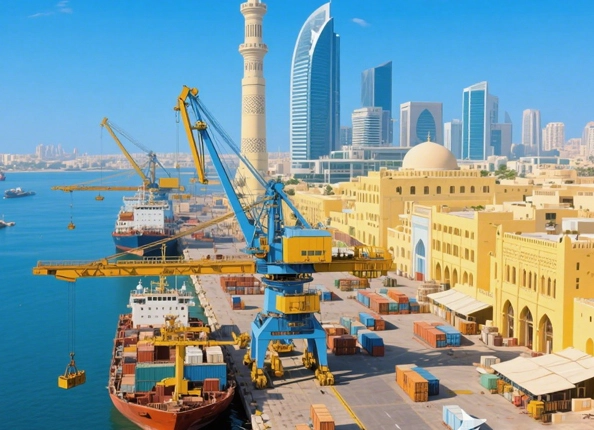
For example, companies doing air freight to UAE often have a clearance office in Dubai.
Monthly income: 200,000 – 500,000 RMB — high income in the industry.
But pressure is much higher.
They must manage teams in multiple ports and bear the risk of empty space.
If you book 10 containers but only fill 8, you still pay for the empty ones.
And big customers often delay payments.
One boss running a Shanghai to Los Angeles line was owed more than 2 million RMB by a cross-border e-commerce client last year.
He had to sell his school-district apartment to cover the loss.
Success is only on the surface.
Level 5
Monthly income 500,000 – 1,000,000 RMB — multi-country line forwarders.
Fewer than 800 companies nationwide.
They have their own clearance and delivery teams in 3+ countries, such as Germany, France, Italy in Europe, or Singapore, Malaysia, Thailand in Southeast Asia.
They have stable shippers: medium factories, chain cross-border e-commerce companies.
They can get contract space from shipping lines.
Monthly income: 500,000 – 1,000,000 RMB.
They can finally relax a little — but actually feel more anxious.
Capital pressure is at least 5 million RMB: space deposits, overseas team salaries, customer credit periods.
Losing one big customer or a sudden rate rise from carriers can break the capital chain.
Everyone in the industry knows: earning 1 million a month is like walking on a cliff.
Level 6
Monthly income 1,000,000 – 5,000,000 RMB — regional freight groups.
Only about 280 companies nationwide.
They provide customized services: new energy lines, dangerous goods lines.
Bosses can finally enjoy life, but sleep poorly every night.
They fight for big clients with top forwarders and worry about sudden price changes from airlines and shipping lines.
During the Red Sea crisis last year, many air freight to Middle East forwarders at this level lost millions of RMB in profits because routes were suspended and rates jumped.
Take DL International Logistics as an example.
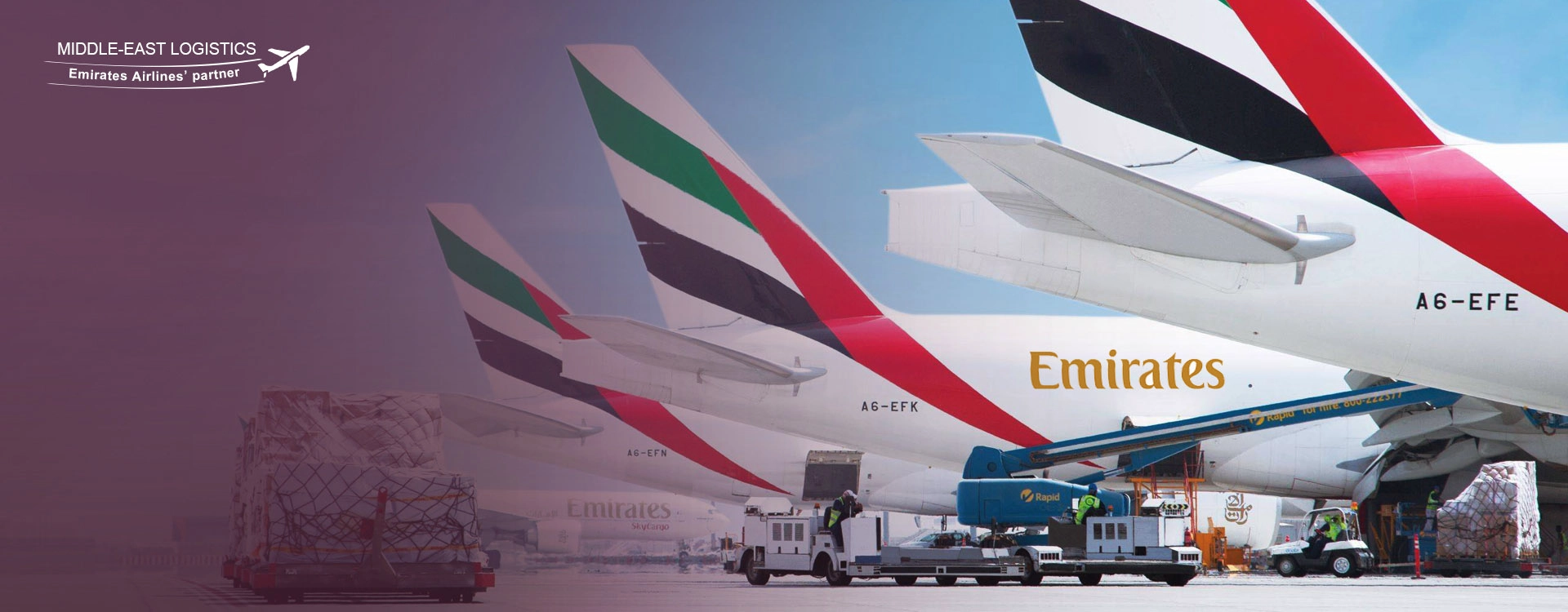
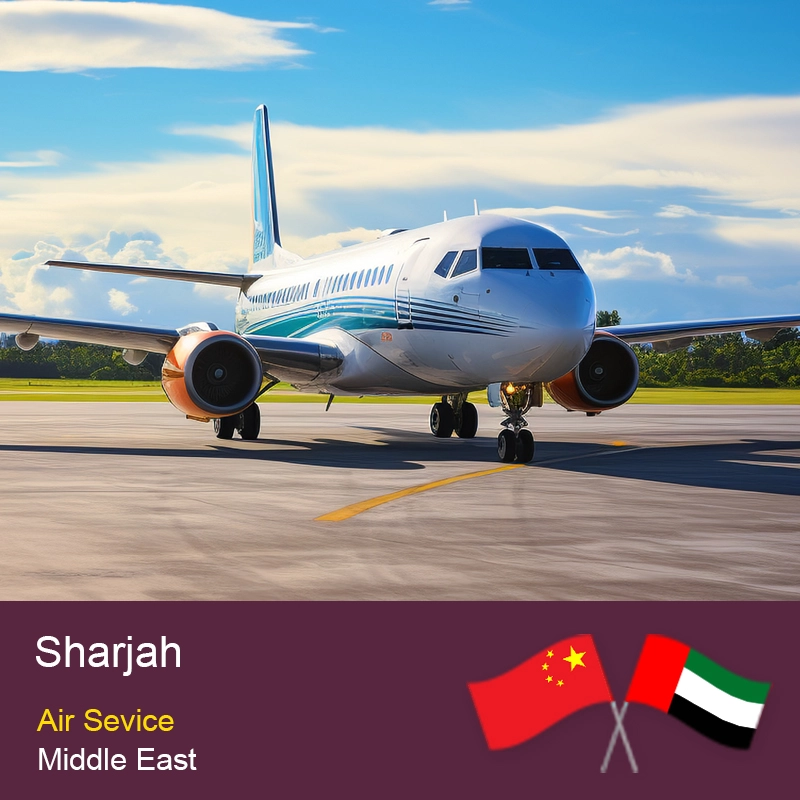
For our air freight to Middle East business, we have bought 20 fixed board positions per week from 2 major airlines — 10 times the capacity of average forwarders on this route.
We are among the Top 5 in air freight to Middle East.
Most ordinary forwarders only have 2 or 3 board positions.
Buying means we pay airlines in advance whether we have cargo or not.
We dare to do this because we have enough cargo volume.
Why don’t other similar-sized forwarders do the same?
Simple: they don’t have enough cargo.
We are supported by large clients.
We once shipped electronic products worth 40 million RMB for Huawei.
Today, Huawei’s exhibition goods are all shipped by us.
They choose us because we guarantee on-time delivery.
Level 7
Monthly income over 5,000,000 RMB — international freight giants.
Fewer than 50 companies nationwide.
They run global lines with their own branches worldwide, integrating space, customs clearance, and overseas warehouses.
But few people know: these giants also started small.
Some spent 12 years building air freight to Middle East lines.
Some almost went bankrupt in 2020 due to space shortages during the pandemic.
All climbed back from the edge of collapse.
After reading this, many bosses wake up.
Don’t believe people who say freight forwarders make easy money.
In fact, 95% are struggling to make a living.
Less than 1% achieve real financial freedom.