



Small Forwarder Promises Zero Delay. I Say Video-Check The Company First.
Tarik has been looking for a forwarder these past few days. He had an earlier batch of commercial coffee machine parts, 600 sets—brew heads, steam valves, water pumps—going from Shenzhen to Dubai by air. It was for a renovation job at two hotels in Dubai, and the deadline was locked.
After the cargo landed, it sat in an overseas warehouse for days. The forwarder he used only replied: "The warehouse is packed now. Everyone is queuing for pickup. Maybe another two days." What the forwarder said at the start was seamless local handoff in Dubai, zero delay.
I hear this all the time. I don't even need to go there to know. If you actually visit their company, you'll get it: a company like that has maybe three to five people. They have no team of their own in Dubai and no warehouse of their own. Everything is outsourced. Basically, they're just a messenger. Once the cargo arrives, even they don't know whose hands it's in. Lost cargo, stuck warehouses, last-minute price hikes—most of it comes from this.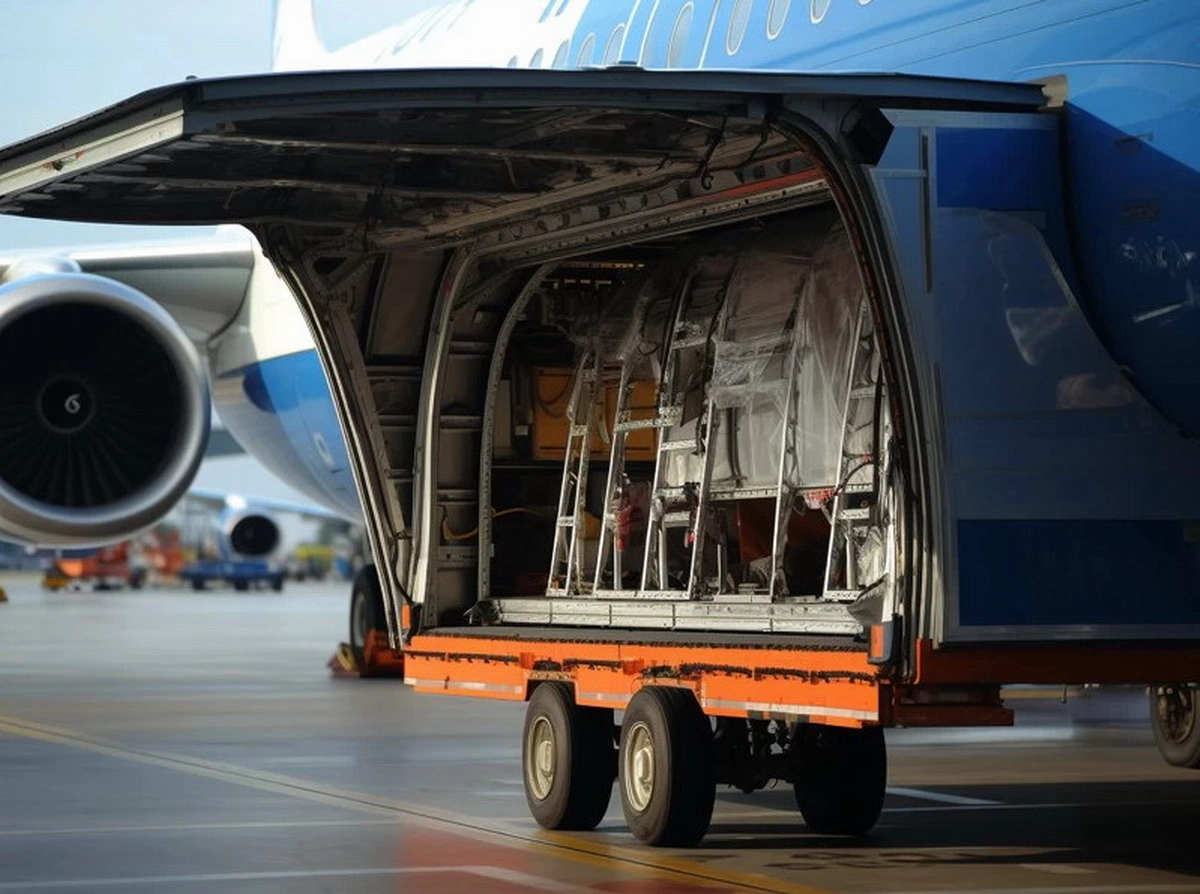
I told Tarik: on the shipping from China to UAE lane, it's long not about who books more space. Anyone can book space. The part after the plane lands—that's the real skill.
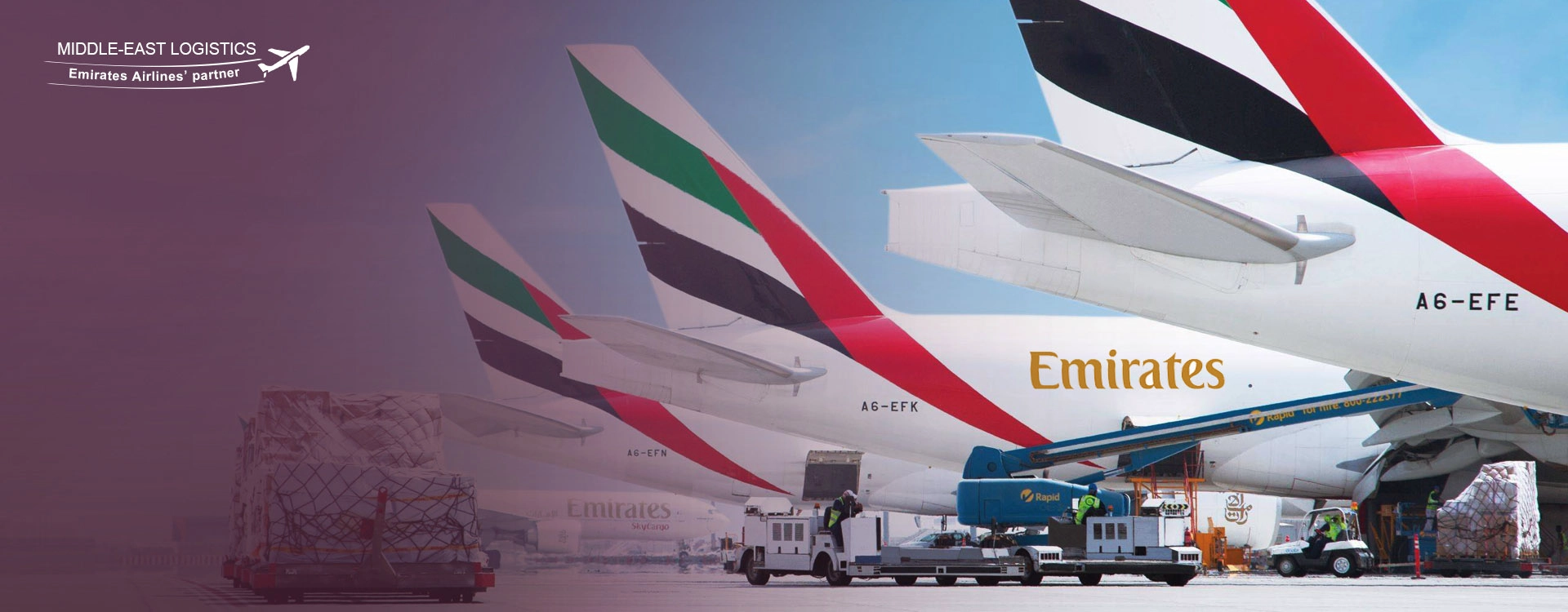
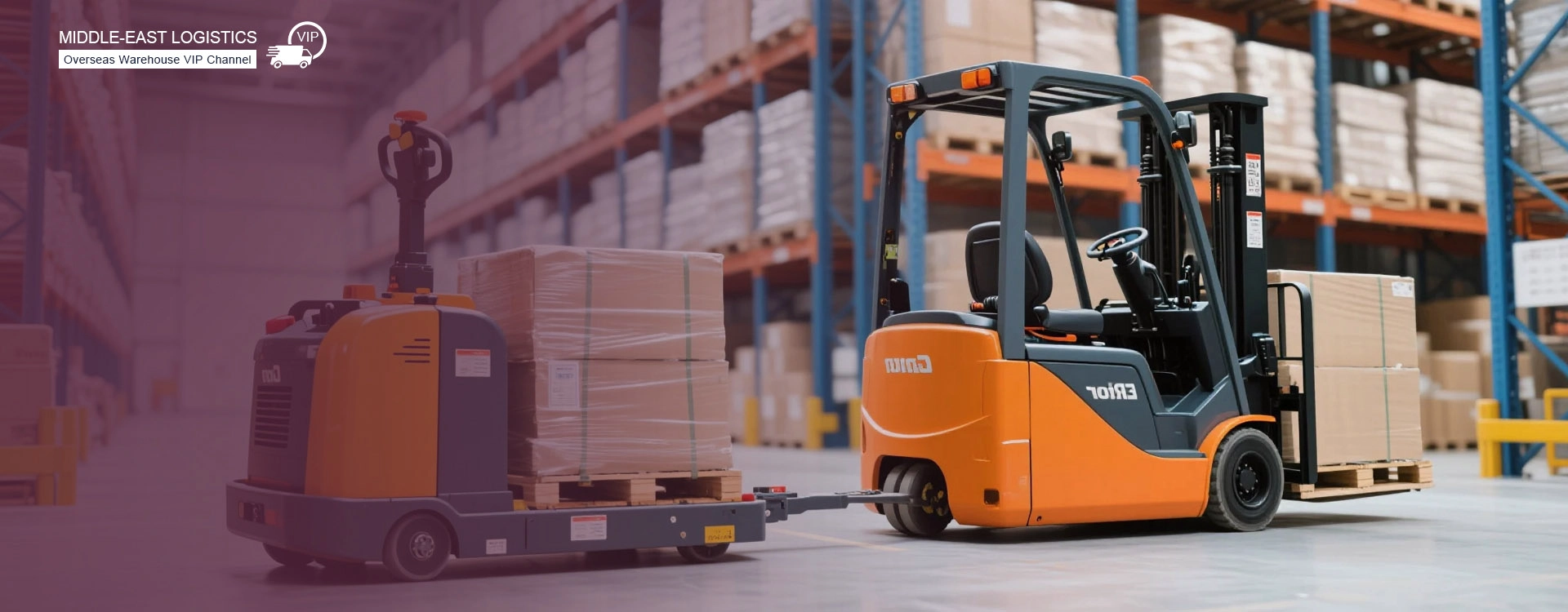
A normal forwarder takes three or four days for delivery. For urgent shipments, we can deliver in 24 hours. The reason is simple: the last mile is run by our own team. We've been in Dubai for more than 20 years, with over a hundred staff and more than 50 trucks. When the plane lands, pallet breakdown and sorting start right away. We've worked with customs and ground handling for years, so we can get priority pickup for urgent shipments. Other people queue at the customs supervised warehouse for two or three days; we pick up in two hours. For urgent cargo, we load it and skip the overseas warehouse—straight to delivery. Our people wait on site at the customs supervised warehouse. If you're late by one step, you lose a day.
UAE is not even half the size of Guangdong. Cargo that arrives in the morning is delivered by noon; cargo that arrives at noon is delivered in the afternoon. The hard part isn't the distance. It's whether you have people there. A lot of small forwarders take urgent orders themselves, and in the end they come to us to help with pickup and delivery.
As long as the customer gives us the product name, documents and declaration details in advance and in full, your cargo won't be slow when the plane lands. The time saved at this step is worth more than calling and chasing ten times.
Tarik's case is very typical. It's not bad luck. He missed the most important step: don't just listen to what people say. Go see for yourself.
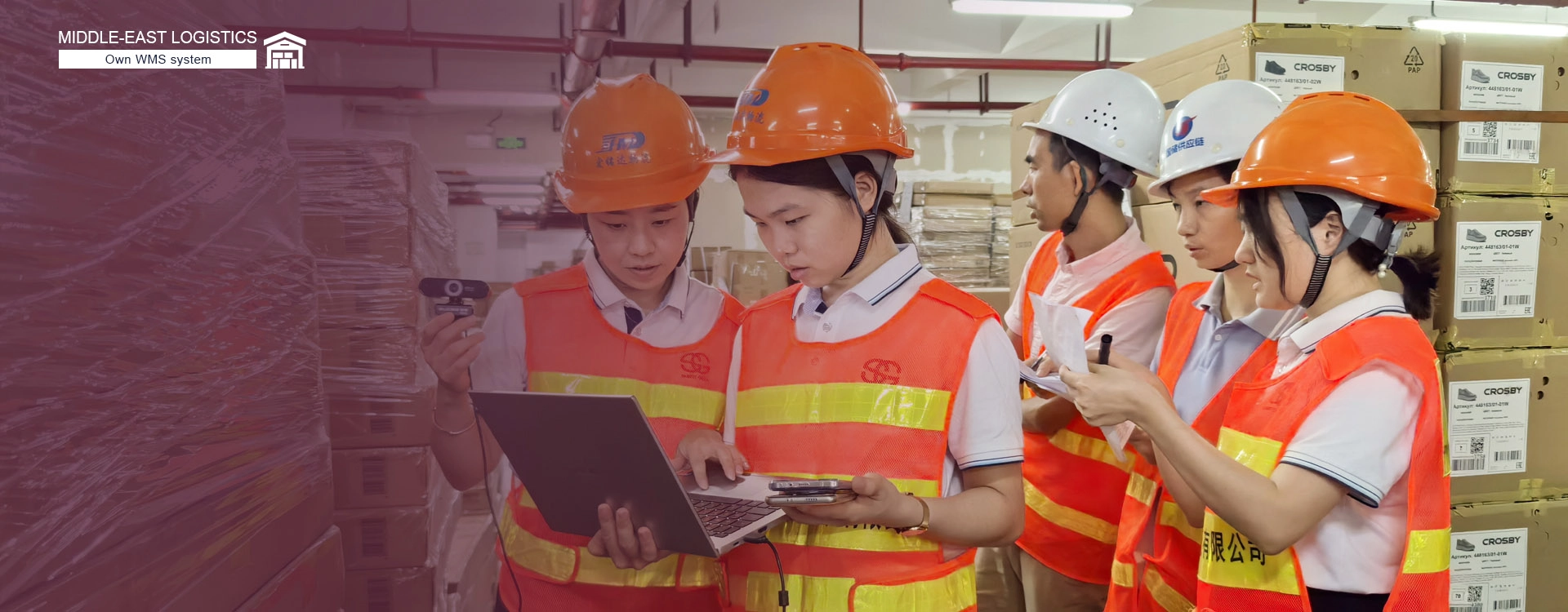
I always tell customers: advertising is just a door knocker. Its only job is to let you know a company exists. How many people are in their company? Ask them to walk around the office with a phone camera. If you can't come to Shenzhen, that's fine. A video call works the same. How big is the office, how many people are working, how big is the warehouse—a phone can't lie. AI hasn't developed that fast yet.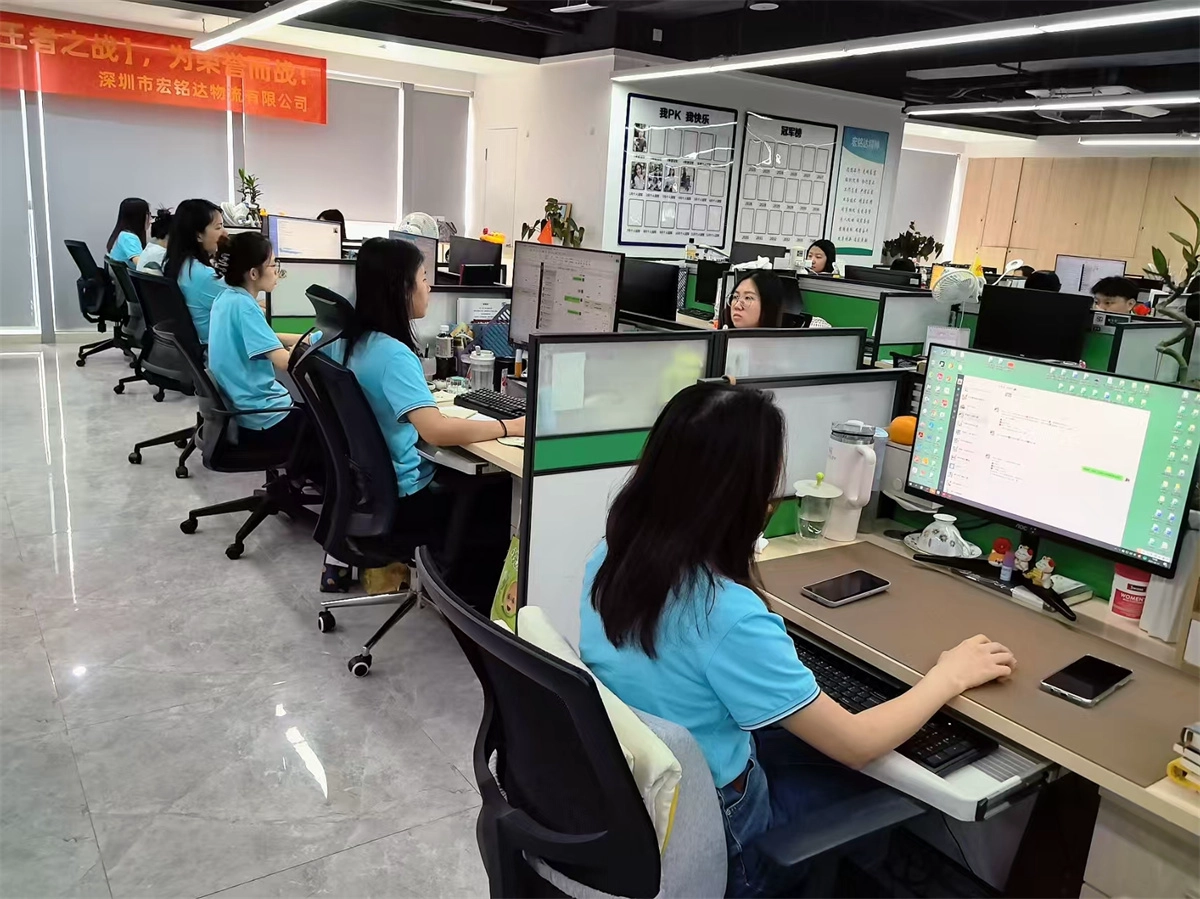
Whether a forwarder can keep their word is proportional to their backing. It sounds harsh, but it's accurate. A company with three to five people and no real assets can make a little money per shipment when things go smoothly. But once something goes wrong, one compensation claim can eat all the profit, and the contract is just a piece of paper. A big company has a fixed base it can't just run away from, so it has to play the long game.
For shipping from China to UAE, my biggest fear is when a customer opens with "What's the lowest price?" Of course you compare prices, but don't get the order backwards: check the company first, then talk money.
Our company is on the 8th floor, Tower B, Rongde Times Plaza, Longgang District, Shenzhen. The whole floor is 1,800 square meters. We have nearly a hundred employees and sign more than ten orders a day. We've shipped Huawei's cargo—electronics worth 40 million. Huawei doesn't pick forwarders casually. They do site visits, background checks, sign cooperation agreements, and screen layer by layer. It's like Huawei has already paved the road for everyone.
Tarik video-called me and looked at the office and warehouse. He asked a bunch of detailed questions in between. Later he felt reassured and said he would definitely ship with me when he has cargo. Nothing fancy—he saw real things, and he felt safe. Before you place an order, spend twenty minutes checking the other company. That move is worth more than saving two hundred yuan on freight.