













Air Freight To Dubai: Don't Just Compare Prices, Check Warehouse
If you do foreign trade, you know the pain. The hardest part of shipping from China to UAE is not finding flights or gathering cargo – it's finding a good freight forwarder.
I had a Dubai client, Rashid. He runs an oil drilling equipment business and is pretty experienced. He needed to send over 5 tons of drilling additives from China to Dubai by air. Normally, a guy like him shouldn't fall into traps. But his additives came from several factories. They had to be collected at one warehouse, consolidated, palletized, then shipped to Dubai.
The forwarder he used before had a chaotic warehouse. Anyone could walk in and out. Loading and unloading was a mess.
The worst part? One time, 10 bags of cargo sat forgotten in a corner. Even the forwarder didn't know. If those got lost or mis-shipped, who's responsible? Rashid only found them when he counted his goods. The forwarder was totally embarrassed.
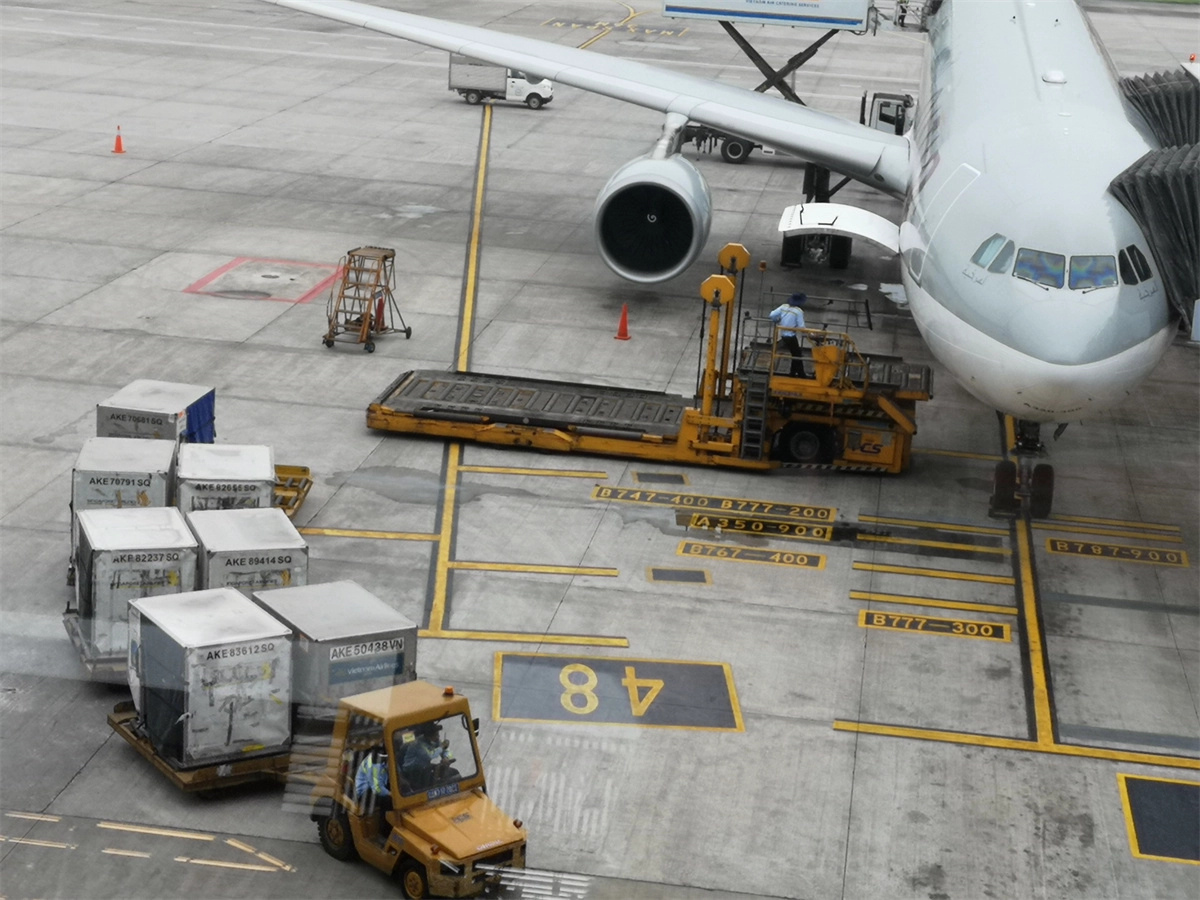
I told him straight: when choosing air freight to Dubai, the first thing you check is the warehouse.
Shenzhen has 60,000 freight forwarders. At least a thousand do Dubai air freight. But only a few have well-managed warehouses. Most forwarders go for the cheapest option. Sure, small startups can't help it, but the downside is obvious. When a big order or an urgent order comes – like a gift from heaven – you can't handle it. Warehouse management is a mess, no proper check-in/out records. You see shippers losing a box today, missing a bag tomorrow. Wrong shipments and missing items are common.
I told Rashid: look at the small details to judge a warehouse. For example, a few days ago, it was about to rain heavily. We had over 30 boxes of electronic parts stacked on our loading platform, just unloaded and not yet moved inside. Before I could react, our warehouse supervisor shouted over the radio: "Platform team, move fast! Rain is coming!"
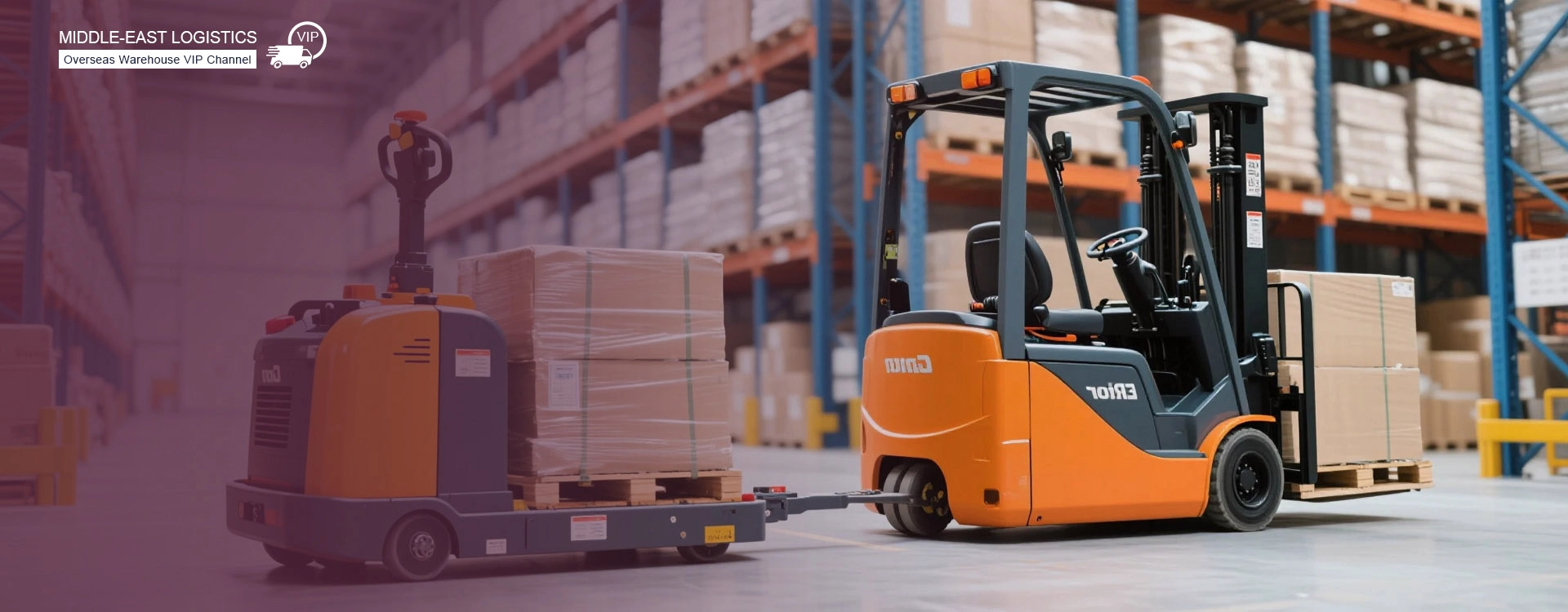
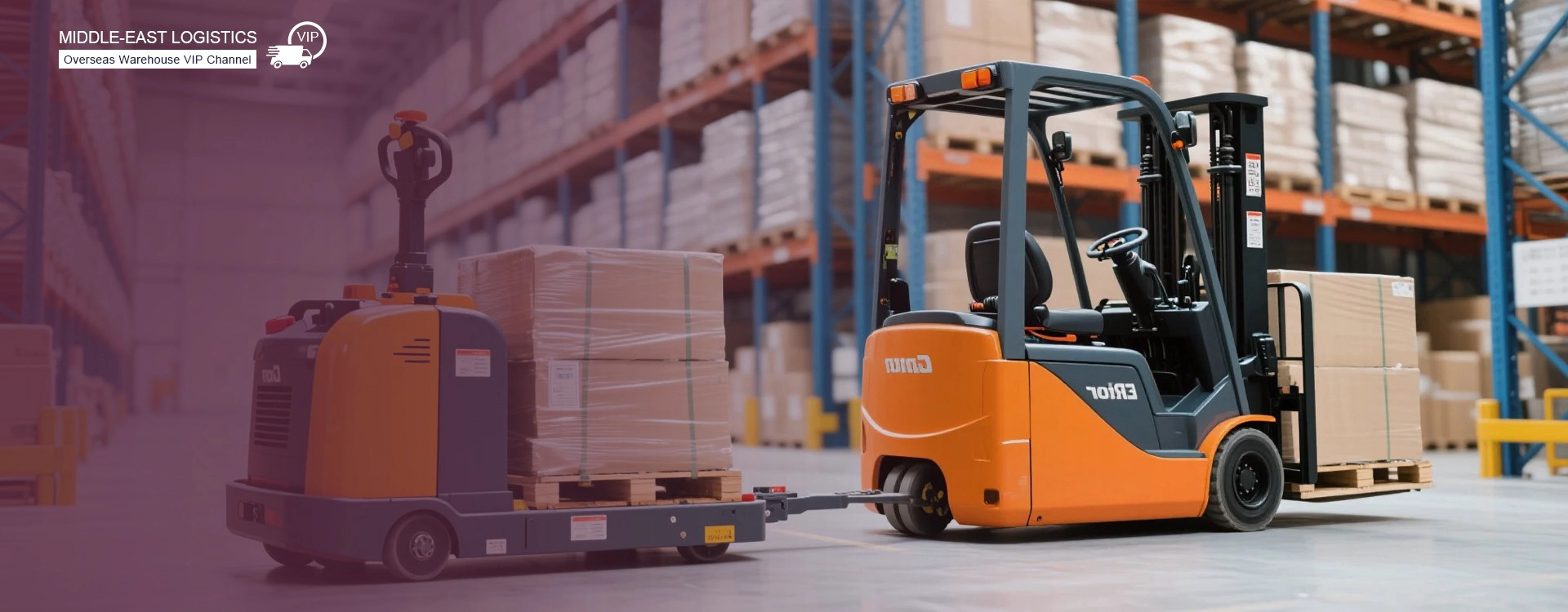
Two loaders rushed over with hydraulic carts. Two others pulled out a big waterproof tarp from the warehouse. In about ten minutes, all the boxes were moved under the canopy at the warehouse entrance, and the tarp was on. When the rain started pouring, the platform was clean – not a single box got wet.
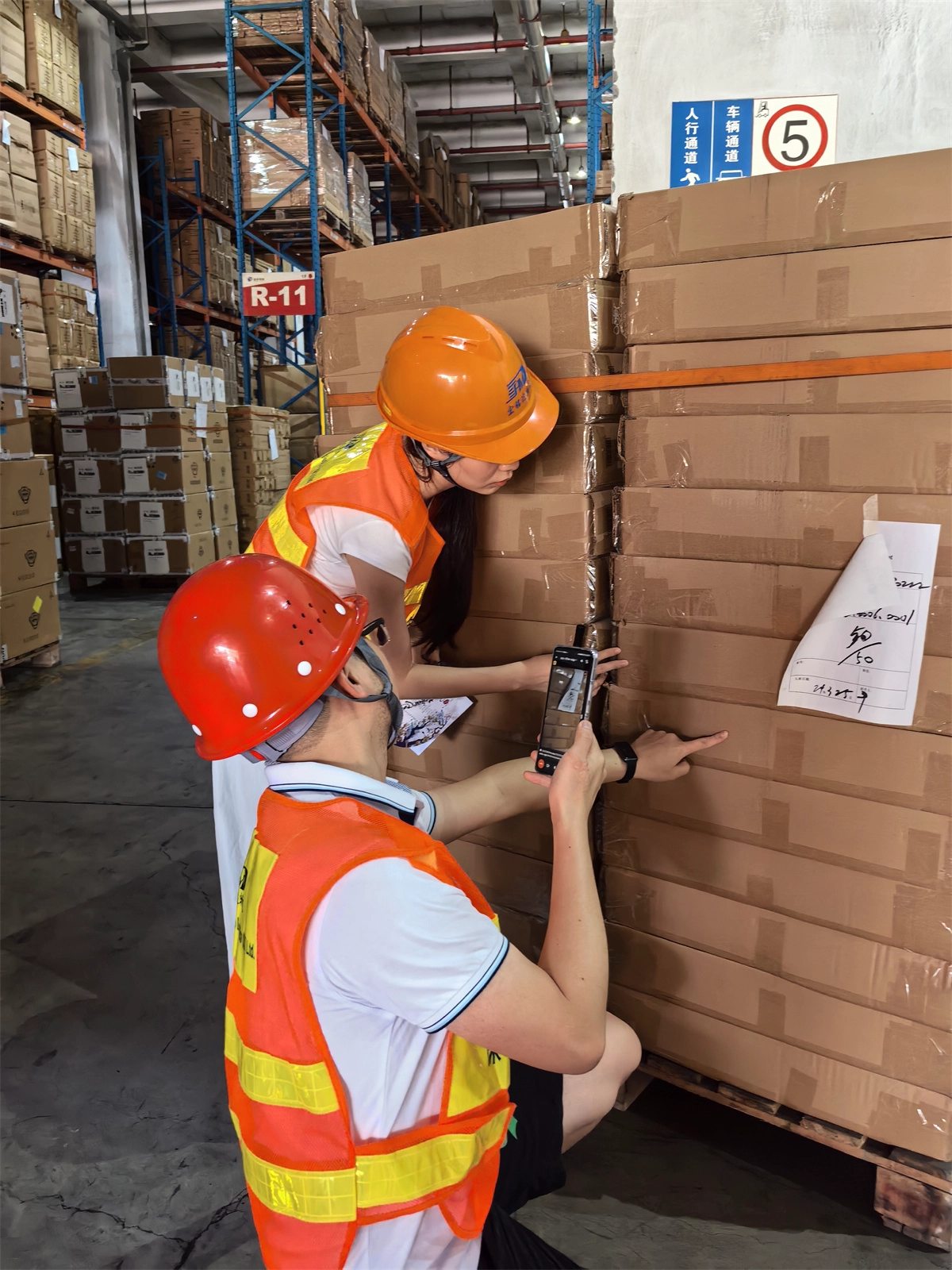
That's not fast reaction – that's having a plan. Shenzhen gets dozens of sudden heavy rains every summer. Without a standard process, who pays for wet goods? We have a rule: whenever there's a weather alert or you see dark skies, all cargo on the platform must be either moved inside or covered within 10 minutes. Who pushes carts, who covers, who checks for leftovers – everyone has a role. No need to wait for orders.
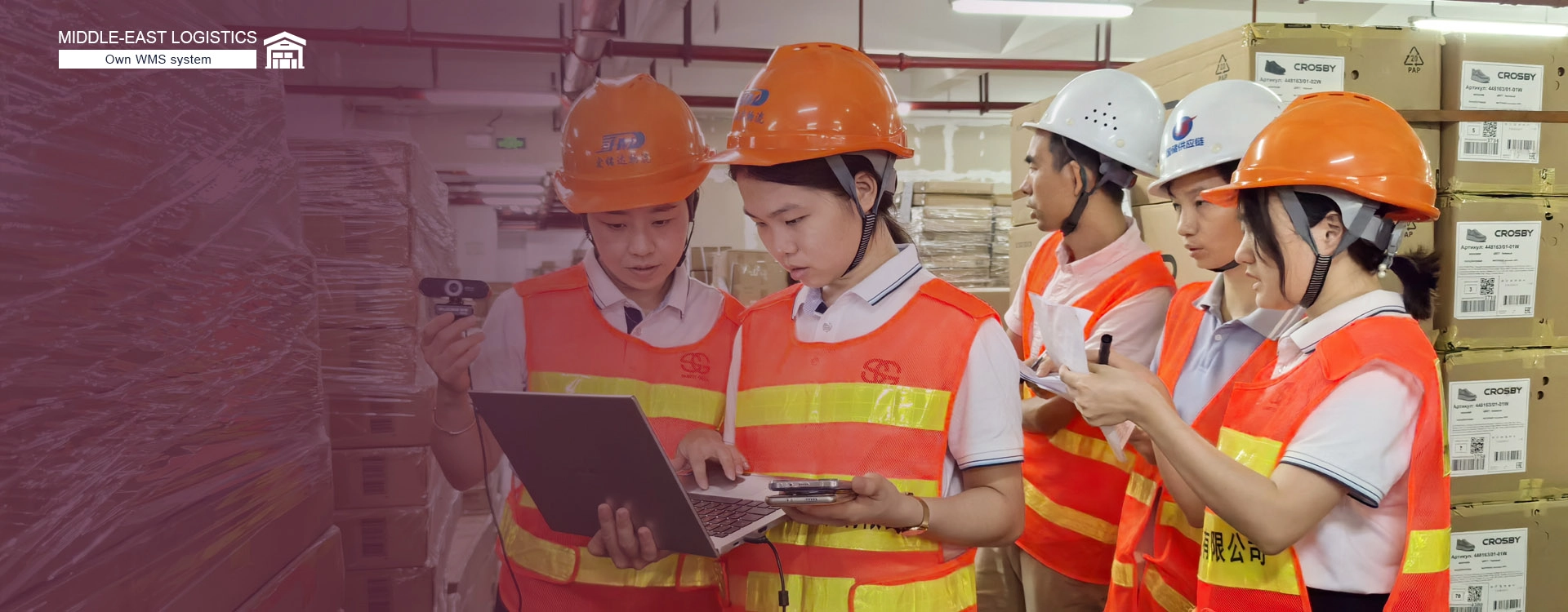
Even our daily details: register at the warehouse entrance, wear hard hats and work uniforms, follow designated paths. Incoming cargo must be strictly registered with name, piece count, gross weight, volume, with info tags and assigned shelf locations. Key spots have cameras. For large-volume clients, we can install a separate camera for them to watch live.