













Shipping From China To UAE: Three Hidden Services That Count
Look, when you have cargo to send to the Middle East, what scares you most? You hand it over to a freight forwarder, wait for days with your heart in your mouth, and then you get a photo in the customer group – boxes crushed, goods all messed up. You call the forwarder, and they just say, “Hey, we delivered it. Your boxes weren't strong enough – not our problem.” You get so mad you want to curse, but you can't even find strong enough words.
I have a client, Faisal, who trades small home appliances. He runs between China, the UAE, and Saudi. He had 50 cartons of robot vacuum cleaners for shipping from china to uae. Each carton weighed over 30 kg. The factory packed them in old cartons to save time – they looked okay on the outside, but they had been damp before, the cardboard was soft. The factory didn't think much of it, just figured the boxes could hold the goods. But when the shipment flew out of Guangzhou and transferred in Doha, the loading machine squeezed two cartons – they split open, the vacuums fell out and got scratched all over. A few other boxes didn't break, but they were deformed, the foam inside broke, and you could hear the machines rattling when you shook them.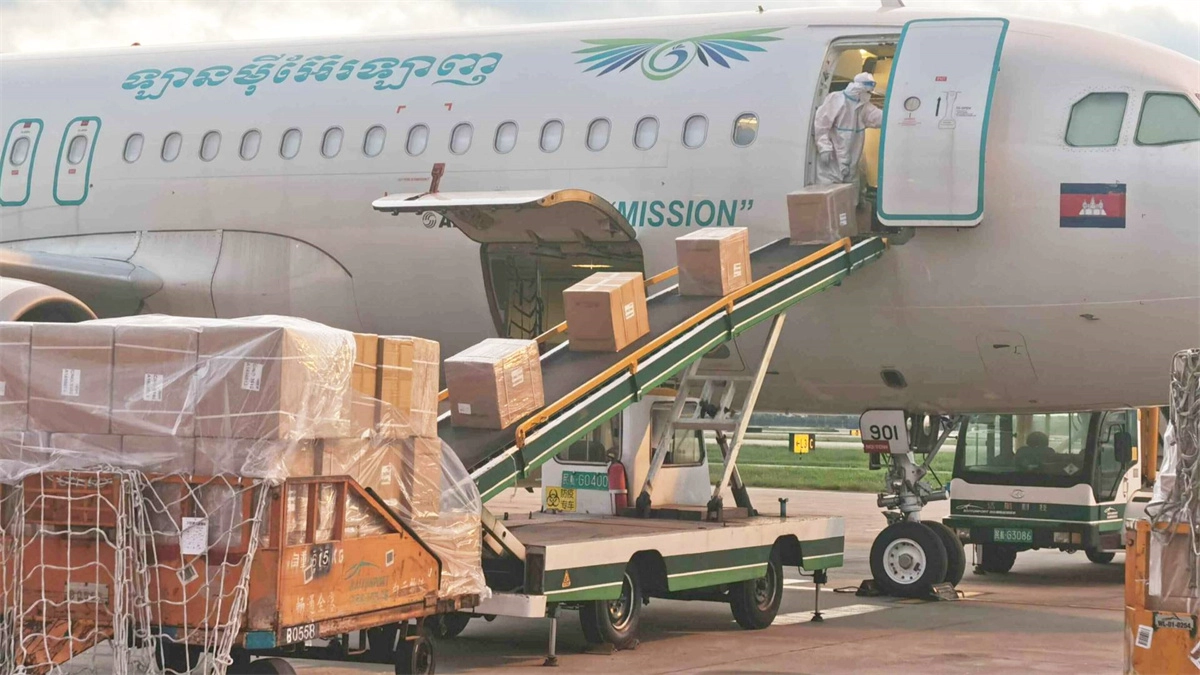
Doha airport handles damaged cargo really slowly – re‑securing, re‑boxing, taking photos, writing reports – it took two days just to release them. By the time they arrived in Dubai, they were nearly three days late. Faisal's customer was furious – they refused to accept the damaged units, and Faisal lost almost two thousand bucks directly.
He went to argue with that forwarder, saying, “Didn't you see the boxes were weak when you picked them up? You could have at least warned me.” The forwarder replied, “We only handle transport – packing is the factory's job. Go talk to them.” They just passed the buck. Faisal was furious, but the contract didn't say they had to check the packaging, so he had to swallow the bitter pill.
I told Faisal, “When you choose a forwarder, the first thing is to have them check your boxes when they receive them. We have our own consolidation warehouse – when cargo arrives, we don't just pile it on pallets. We check every box's appearance, weigh them, count the pieces. If we find a soft or damaged box, we take photos right away and send them to the client. Then we discuss whether to re‑pack or reinforce. If someone had checked your shipment back then and swapped to double‑wall cartons, the whole story would have been different.”
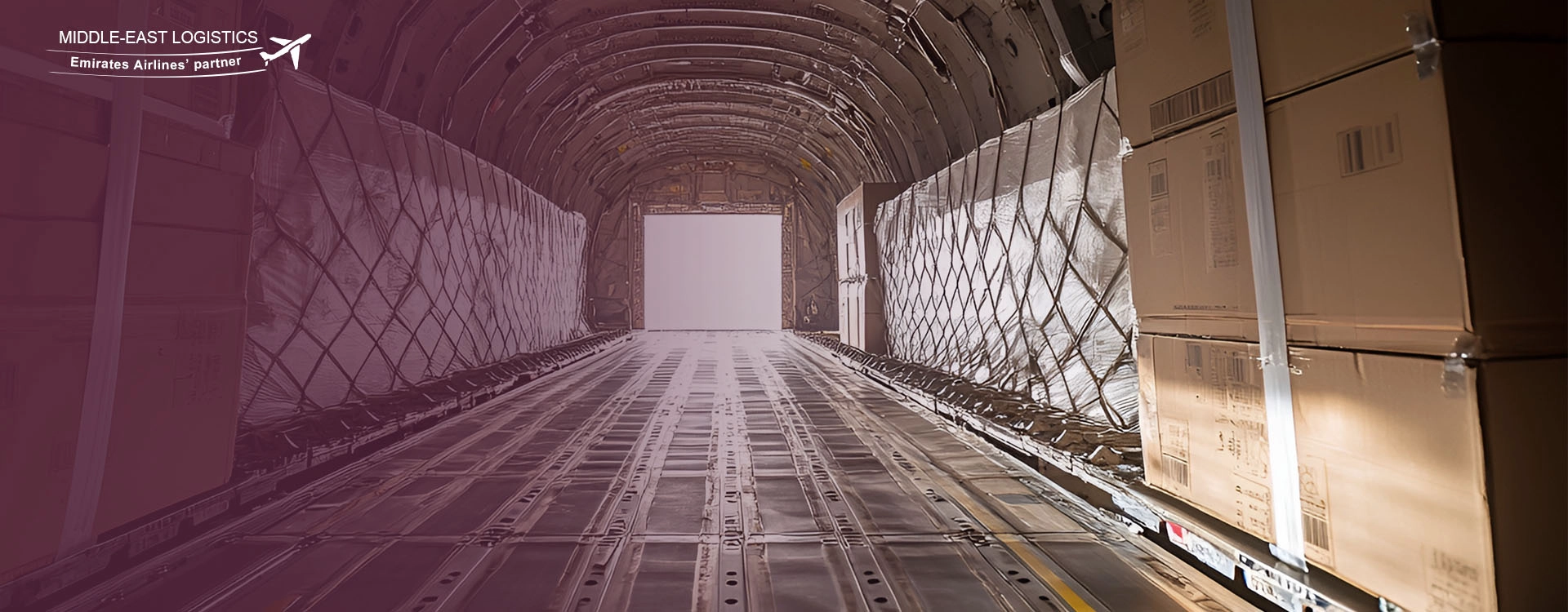
To be honest, for air freight packaging, if a single box weighs over 25 kg, you'd better put on strapping bands or use a fumigation‑free wooden crate. Don't take chances – the few bucks you save on cartons won't cover one damage claim.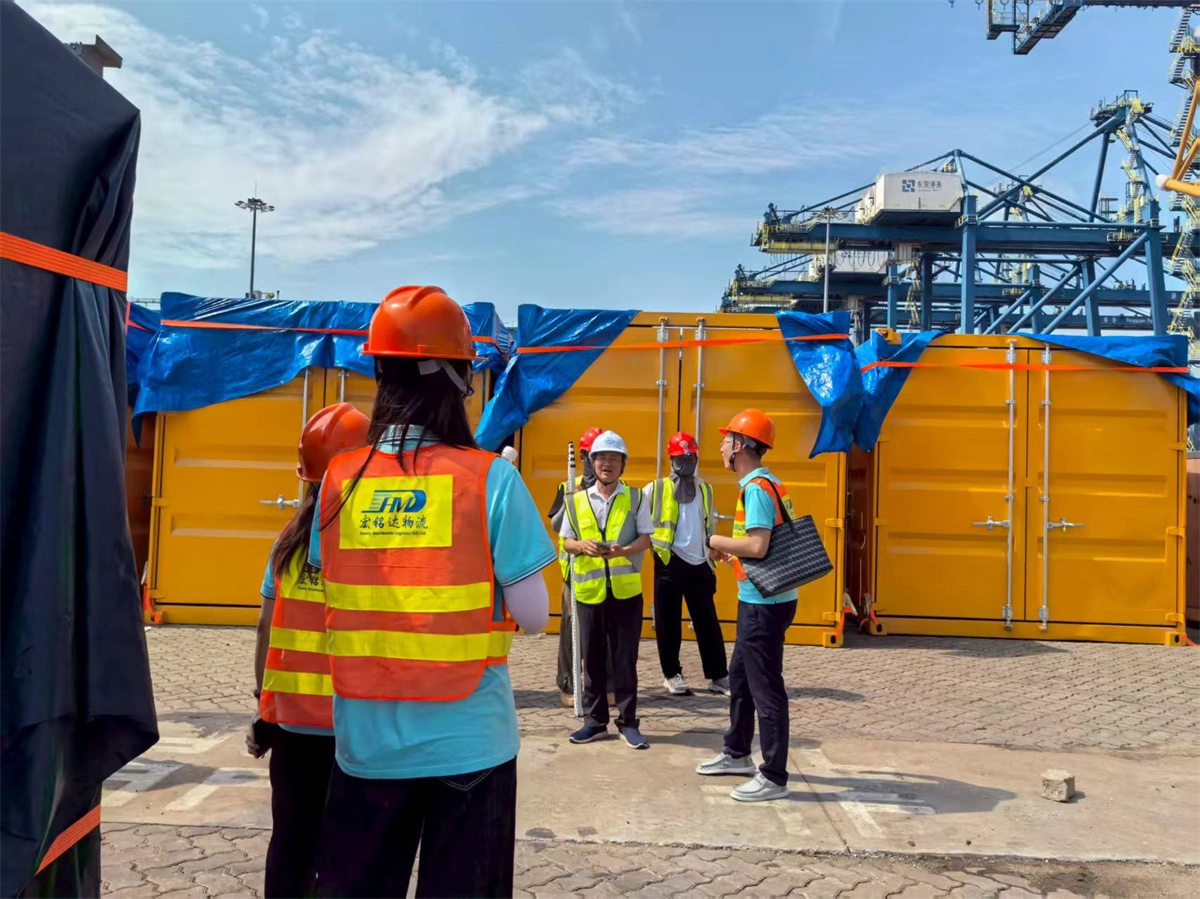
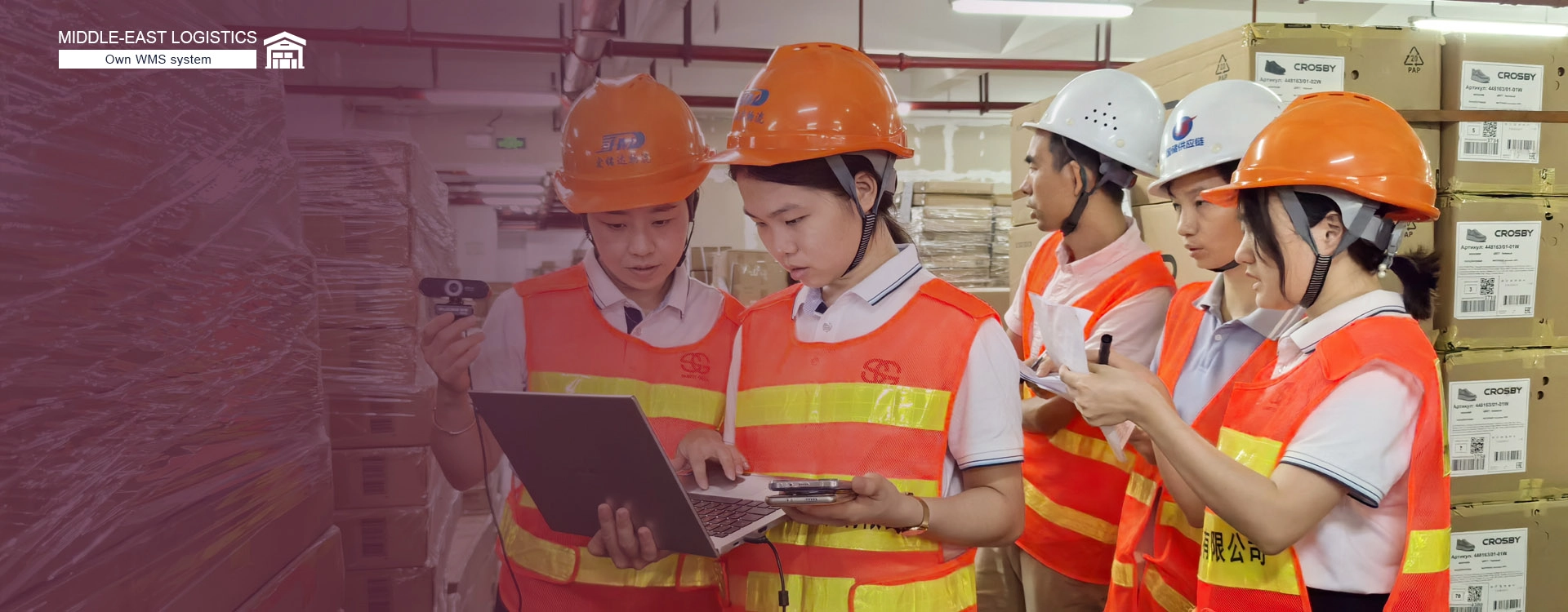
Another thing – for long‑term partners, we often help clients with factory inspections. Many overseas buyers can't come to China, and they worry about factories cutting corners. After we take the order, we send someone to the factory to check the production line, the finished goods, and the packaging materials – and we record everything on video. It's a small favor for us, but it saves our clients a lot of time and travel costs.
And warehouse management matters too. If you have only a few boxes, it's fine, but if you have a lot of mixed goods and many orders, and you still use Excel spreadsheets – it will drive you crazy. We've developed our own custom warehouse system with both English and Chinese interfaces. Clients get a login on their phones – they can check in real time how much stock they have, what models, and if there are any issues. No more back‑and‑forth emails – it doubles our efficiency.