
















Shipping From China To UAE: Why The Lowest Price Often Goes Wrong?
A couple of days ago, Lao Zhou came to me. He makes smart door lock mainboards and needed to send a batch to Dubai. He was looking at shipping from China to UAE. He asked five or six forwarders. Then he told me, “One of them is 15% lower than you. You are not the cheapest.”
I did not rush to argue. Freight forwarders are everywhere. The barrier to entry is low. Quotes are all over the place. That is normal. But why do some of the cheapest ones never grow big and disappear faster? Three or five years and there is a new batch. To put it simply, it is like hotels. A small guesthouse in an alley is 50 a night. A star hotel is 500. Why does the cheap guesthouse change signs faster? It is not about price. It is about service and quality.
Lao Zhou was not fully convinced. “So what different service can you offer?”
I said, do not worry. Let me tell you a case similar to yours. A listed company in Shenzhen makes automotive millimeter-wave radar. Chen, their procurement manager, shipped a batch of modules worth RMB 8 million to the UAE. Just like your electronic parts, it was high-value cargo. High-value cargo going by air first needs stability and reliability. The promised transit time must be kept. They do not pick a forwarder randomly. They visit the company, sign an agreement, do background checks, and see if there are big lawsuits. Only after all that do they trust you.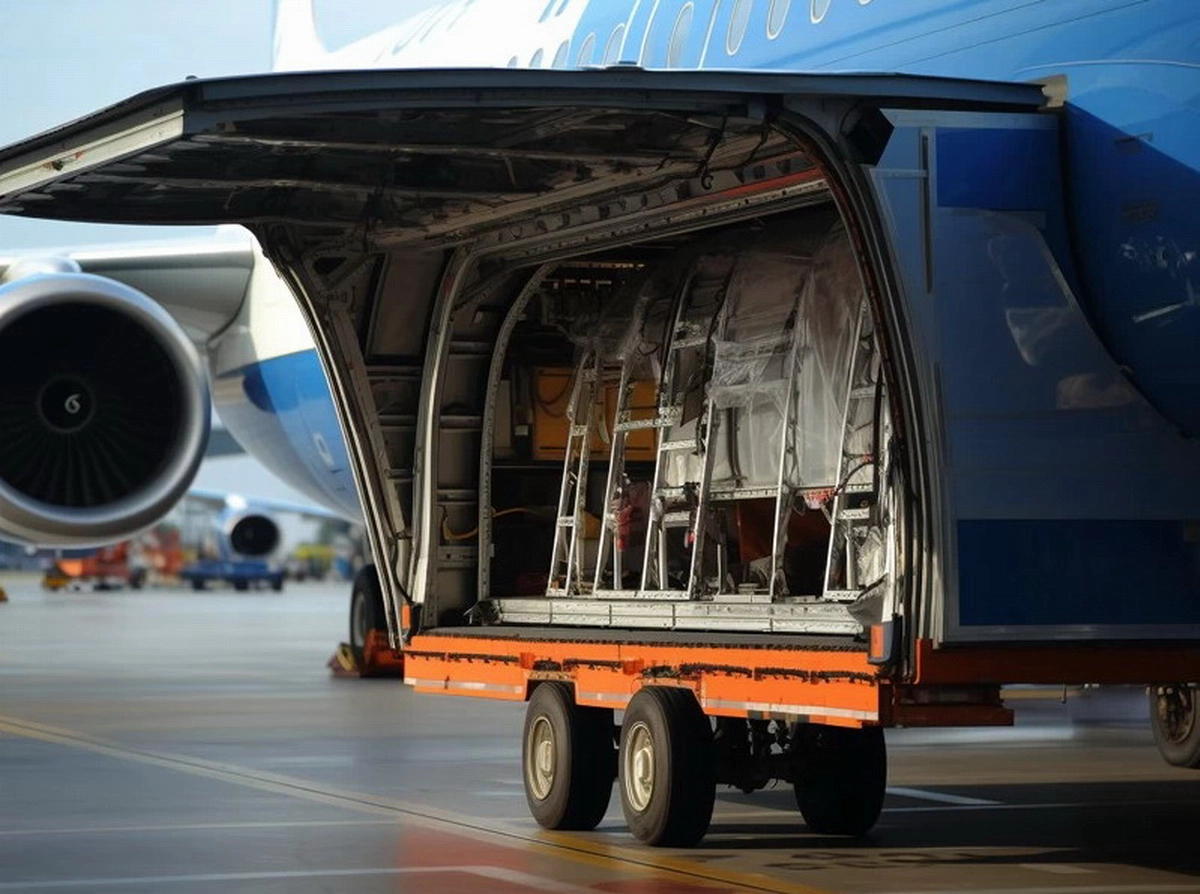
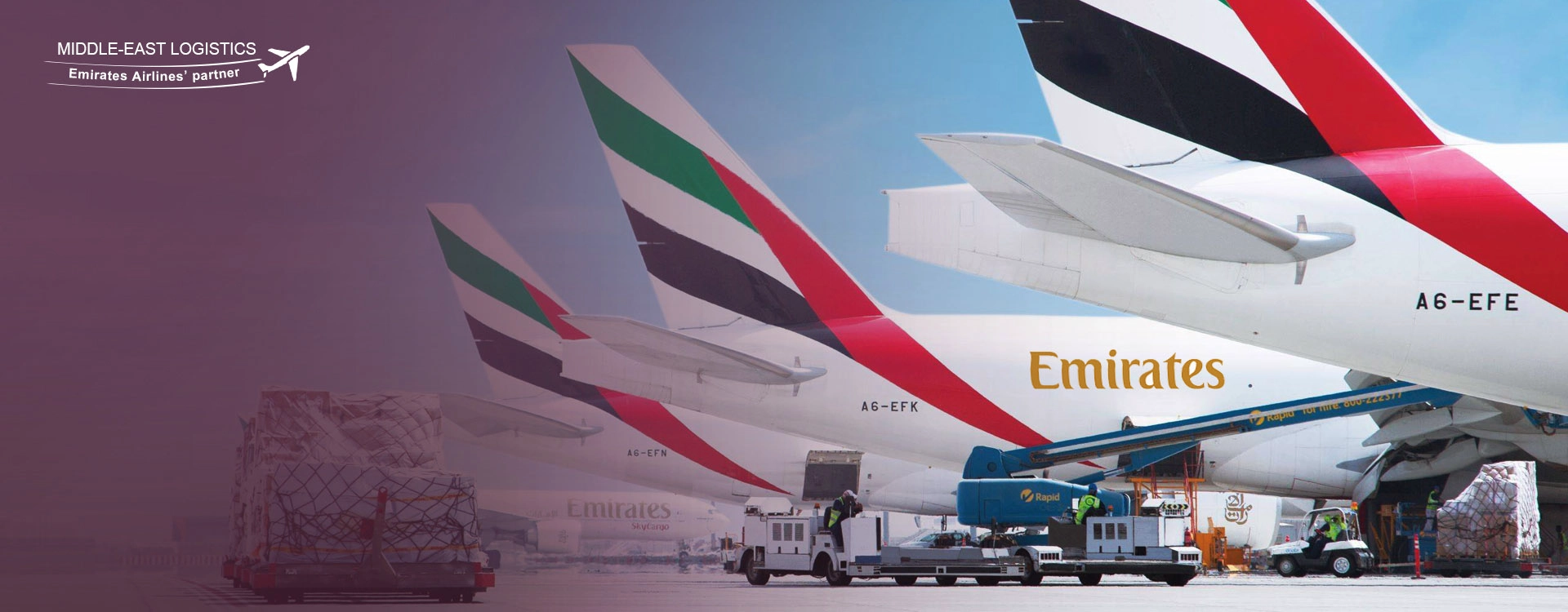
For shipping from China to UAE, what is the biggest fear? It is not a slightly higher quote. It is that the promised transit time cannot be delivered. We started doing freight forwarding in 1998. That is 27 years now. At first, we also looked for pallet space in the market. Later, we built our own Middle East air line. Now we run two Middle East air lines to keep transit time and large cargo capacity.
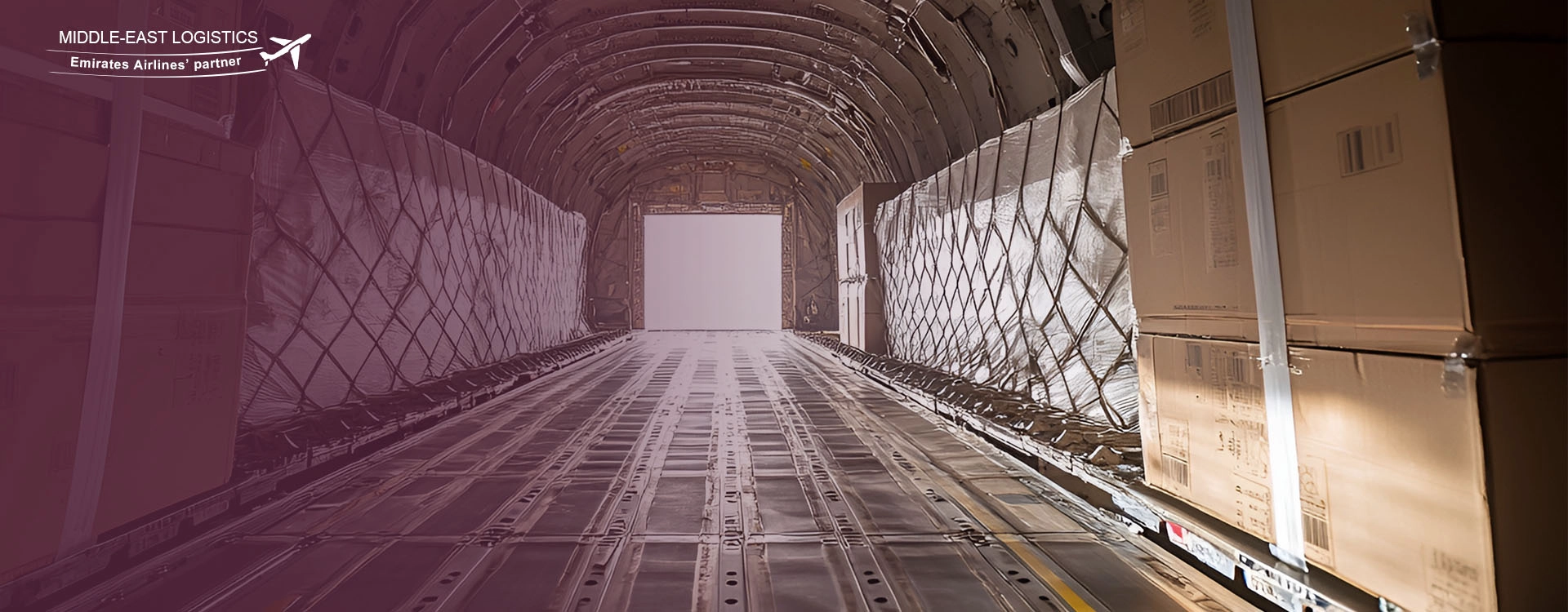
For example, a customer shipped 7 tons of industrial connectors and needed them in a UAE warehouse in 3 days. One extra day and the production line would have to wait. Not every forwarder can do that. Our pallet space is under a long-term agreement with the airline. We decide whose cargo goes first. So we can arrange pallet space in time and send the 7 tons first. Small forwarders get pallet space through agents. They do not make the call, so their efficiency is lower.
There is also airline offloading. We forwarders cannot fully control offloading. The key is whether a backup plan can be used right away after cargo is offloaded. Airlines also have an order for offloading. Small forwarders have weaker relationships with airlines. When something happens, their cargo is often offloaded first. We have a strong partnership, so airlines usually do not think about offloading our cargo first.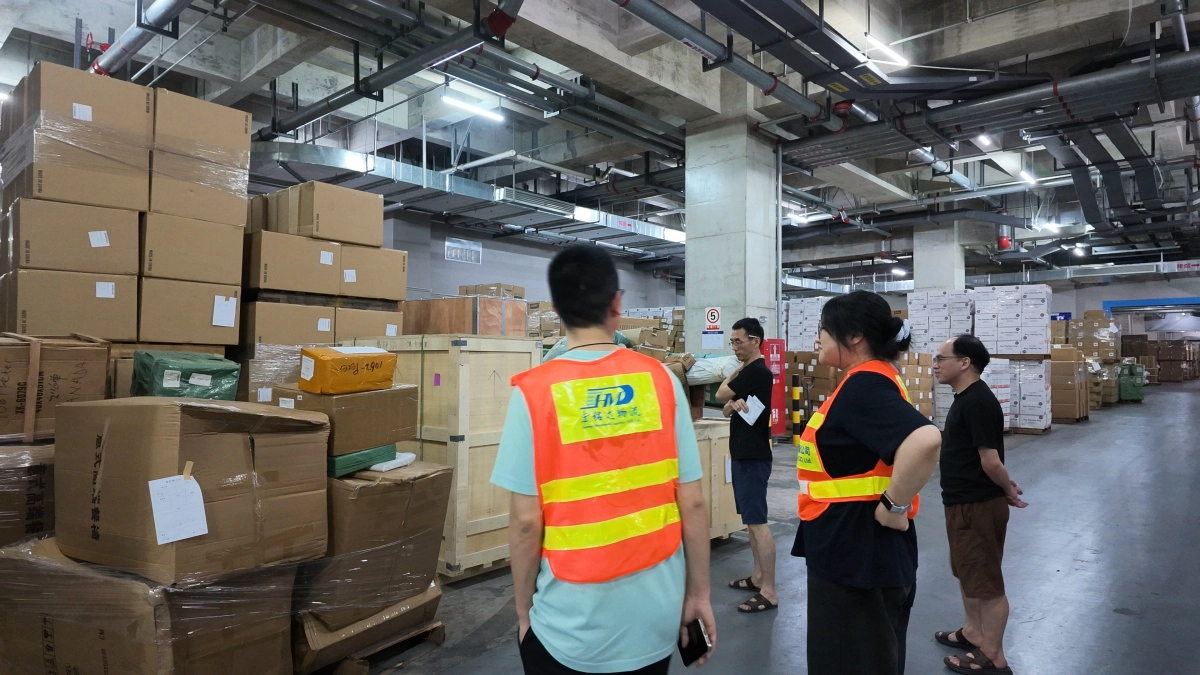
I showed Lao Zhou past cases: 72 hours to Dubai, 15 tons of heavy cargo, an intermediate-pressure rotor of a steam turbine, sent by air. Sensitive cargo shipped by air in a compliant way, with documents, appraisal, and airline approval, all complete. After reading, Lao Zhou said, I get it. A low quote is fine, but do not gamble with transit time.
So, for shipping from China to UAE, do not just ask who is cheaper. Ask three questions first. One, is the pallet space direct or passed through an agent? Two, what is the backup plan after an airline offload? Three, are there real cases for high-value and sensitive cargo? Saving a little money can cause a big problem. The forwarder that fits you is the good one.