













Would you dare to use a low-cost freight forwarder that gets your air freight to the Middle East dropped and has no backup plan?
Omar had a batch of porcelain artworks to send via air freight to the Middle East. A freight forwarder offered a price that was only 70% of the market price, which was very tempting. Omar was hesitant at first, but the other party repeatedly emphasized that they had a large volume of goods and mature routes. After the goods arrived at the warehouse, the freight forwarder said that was only the basic freight, and he needed to pay extra for "fuel surcharge", "customs inspection fee" and so on. Omar had no choice but to make up the payment. Then, just as the goods were about to be loaded onto the plane, he received a notice from the freight forwarder that the flight was canceled, and the freight forwarder couldn't come up with a backup plan in a short time.
In fact, this is a common tactic used by low-cost freight forwarders to attract customers. They are all shell companies. The price is low, but there is almost no service guarantee. They just find cargo space in the market. Once the flight is canceled, they can't come up with a backup plan at all.
After all, many customers choose freight forwarders only based on who offers the lowest price, so low prices still have a market. It would be very lucky if you meet a really low-priced one with good service and no price increases, but such cases are extremely rare.
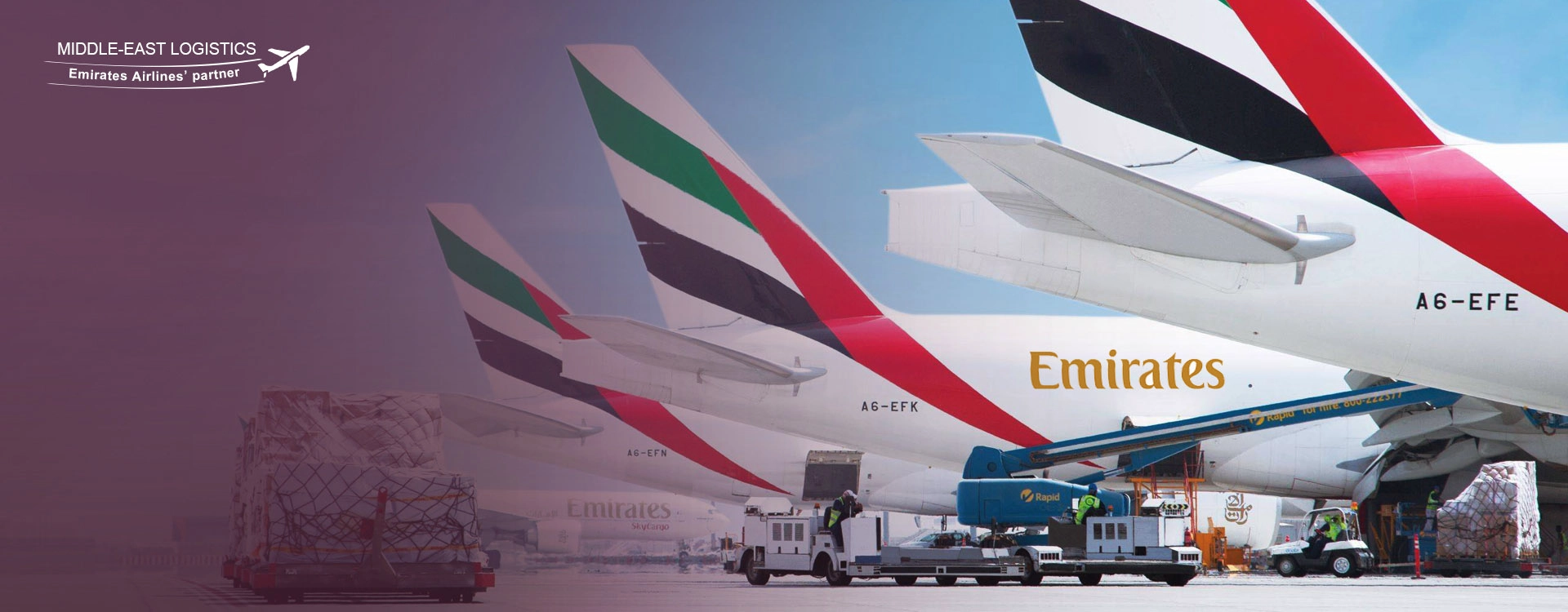
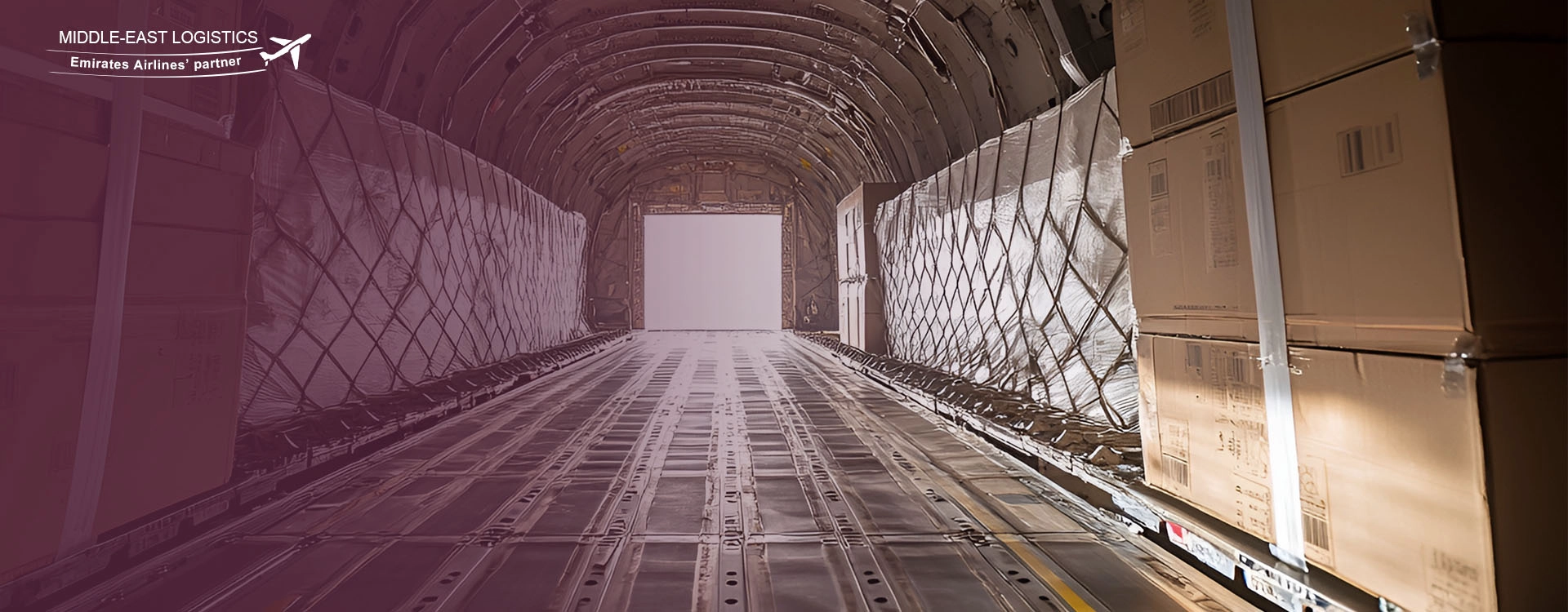
I told Omar that for high-value goods like porcelain sent via air freight to the Middle East, he should find a freight forwarder that directly has cargo space. We have signed a "Thousand Pallets Framework Agreement" with two major airlines, and have 20 air pallets from the two major airlines every week. Even if the flight is canceled in the middle of the night, we can come up with a backup plan within half an hour.
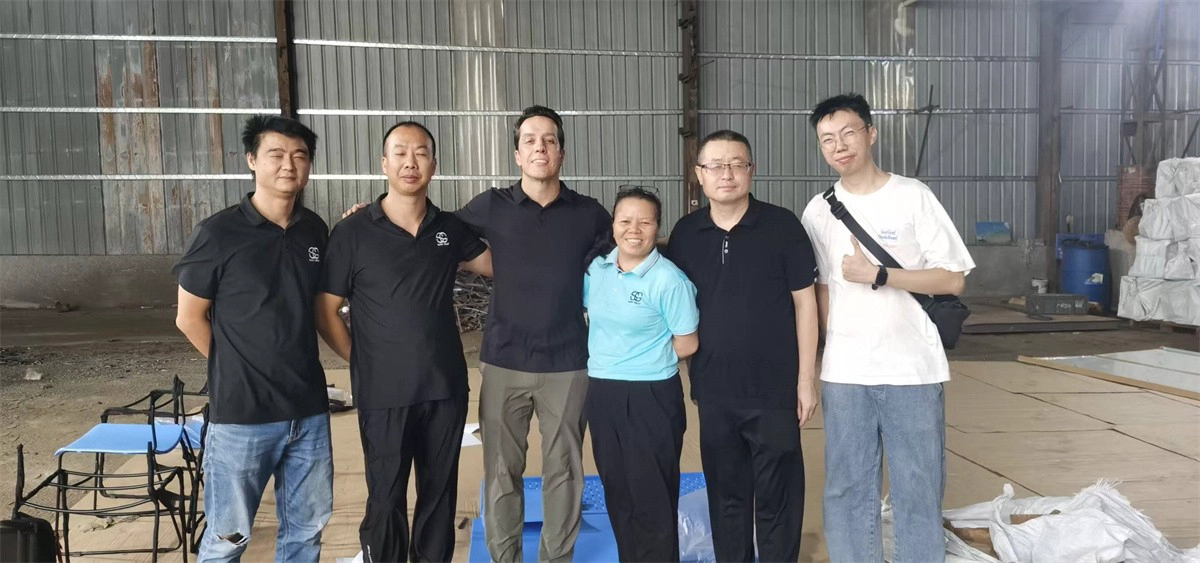
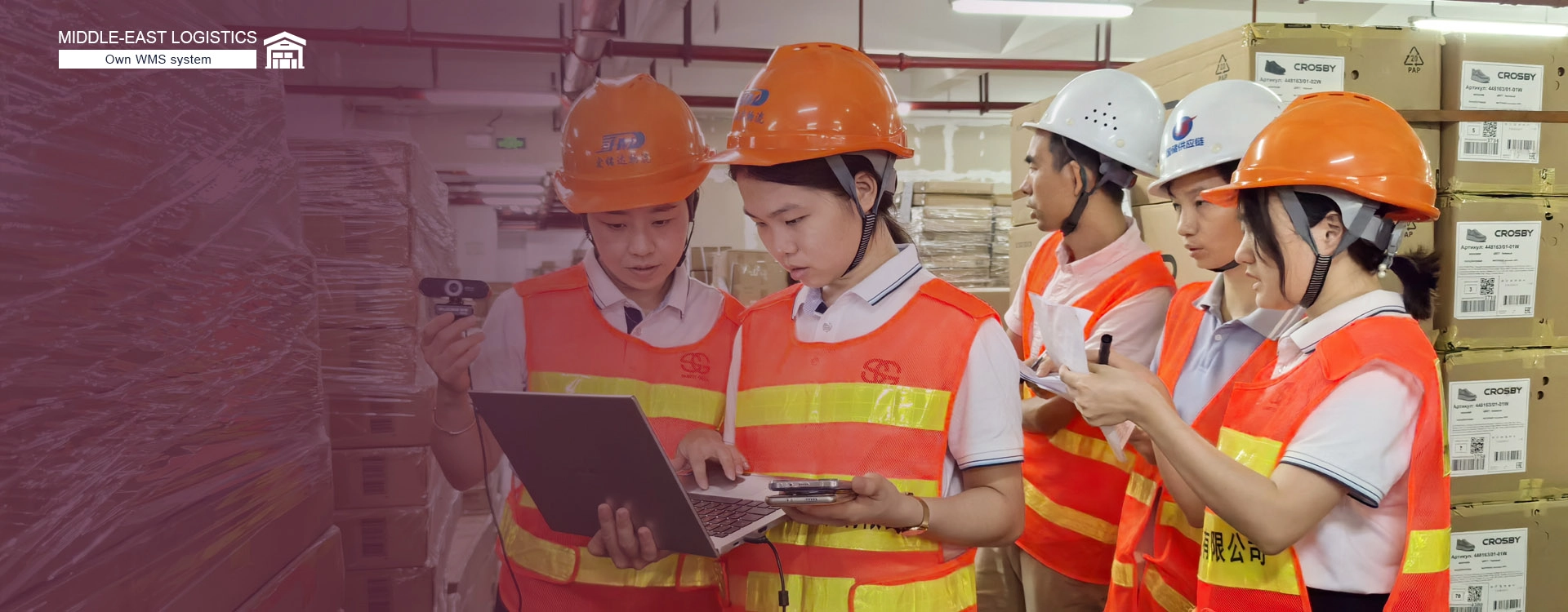
The above is just a hardware issue. To provide customers with satisfactory service, salesmen must have strong professional soft power. These soft powers are invaluable experiences accumulated over many years, which can't be learned from books:
For example, if undeclared lithium batteries are found in the goods at the destination port, how to coordinate with the airline to apply for "exemption from transportation" as soon as possible;
When the cartons are found wet and damaged at the destination, one must have the awareness to take photos for evidence immediately, and at the same time ask the airline to sign a certificate of "poor outer packaging". This can reasonably avoid risks when claiming for damages if the goods are really damaged later;
Which fees can be negotiated, such as the document preparation fee for some documents can be discounted, but some fees like environmental protection tax are fixed and can't be changed.
These can't be learned in school. They are valuable experiences gained from years of actual operations in air freight to the Middle East. It is precisely these experiences that make our salesmen more professional than others.
There are 60,000 freight forwarders in Shenzhen, and thousands of them engage in air freight to the Middle East, which are divided into different grades. More than 90% of them are small freight forwarders with three or five people in urban villages, with limited strength. The boss has the final say on everything, and everything is rented. Warehouses are rented, and of course, fixed cargo space from airlines is out of the question. Their advantage is that they can advertise on various platforms every day, focusing on prices 30% lower than the market price. Especially many customers from other places who want to send air freight to the Middle East can't come for on-site inspections, and they believe the freight forwarders when they say how strong they are. In fact, such freight forwarders don't mean to cheat people, but they are helpless due to insufficient strength. They can't control things when something happens, just like the freight forwarder Omar met at first.
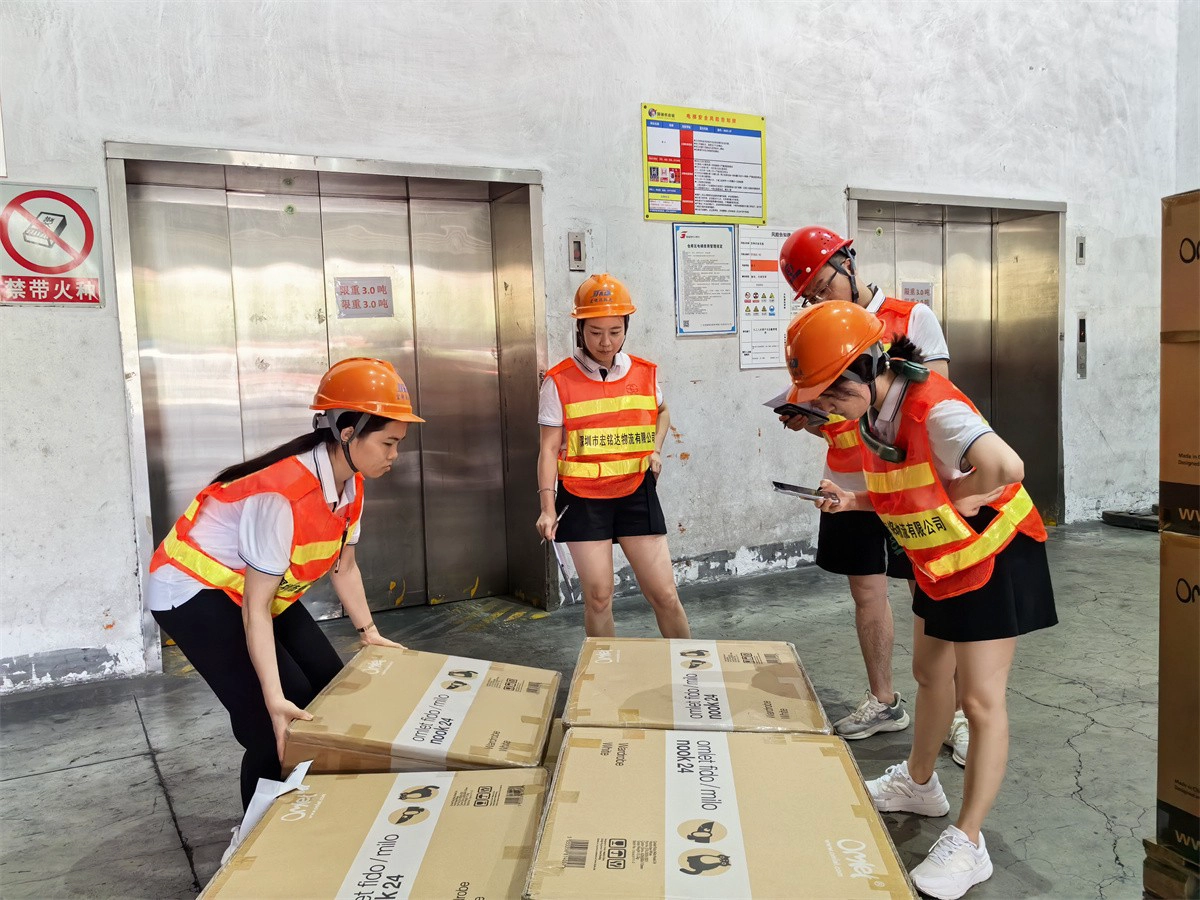
Next are those with slightly stronger strength, usually having been in business for seven or eight years, and renting 2 or 3 pallets from airlines every week. To be honest, that's already good. Such freight forwarders can handle general ordinary goods with small quantities, and they can make a decent living, but they can't take large orders from big customers that require high timeliness. For example, we once helped Huawei ship electronic products worth 40 million yuan. Such a big order is like a snake trying to swallow an elephant for them, which is impossible.
Then there are a few top-level big operators like us, who really buy a certain scale of cargo space from airlines. There are many large-scale and powerful freight forwarders engaged in air freight to the Middle East. Why don't they dare to buy so much cargo space like us? The main reason is that they don't have such a large volume of goods! We are different. Our cargo volume can support thousands of pallets every year.
I communicated some more details with Omar, and he agreed. Then he arranged to send the goods to our warehouse. I booked a flight two days later. Seven days later, Omar's batch of porcelain arrived at his designated warehouse smoothly.