Case 1
Air Freight to Dubai: The Wave of Closures in the Freight Forwarding Industry is Coming
The wave of closures in the freight forwarding industry is coming. Recently, the collapse of a Shenzhen freight forwarder has attracted a lot of attention. In addition, some cross-border logistics companies and supply chain companies have collapsed this year. So it’s obvious that the wave of closures in the freight forwarding industry is on the way. Today, I won’t talk nonsense with you; let’s get straight to the point.
Whether you do air freight to Dubai or other freight forwarding businesses, there are two core points to make profits: first, control costs, and second, increase revenue. If your revenue exceeds costs, you make money; otherwise, you lose money.
Let’s talk about cost control first. Do you think the costs of freight forwarding can really be controlled? The main costs of freight forwarding are nothing more than the airline’s space price, overseas agent service fees, domestic trailer fees, plus labor and office rent. Which of these can you reduce whenever you want? The space price depends on the airline’s mood, the overseas agent’s fees have industry standards, and the trailer fees rise with oil prices. Do you have the right to negotiate a lower price?
Since costs can’t be reduced, we can only see if the revenue from your air freight to Dubai can increase. To increase revenue, you either raise the freight rate or increase the cargo volume. First, let’s look at the freight rate. Can the freight rate of shipping go up? The answer is obvious—it will only get lower and lower. 99.99% of freight forwarding companies are cutting prices to grab orders.
Then look at the cargo volume. It’s not easy at all to increase the cargo volume. There are 3 reasons:

First, there is not much cargo in the air freight to Dubai market. You can see that customers doing cross-border e-commerce and traditional foreign trade are saying that their goods can’t be sold. How can they ship more goods?
Second, even if there is little cargo, competitors are still snatching it. Everyone is eyeing the existing cargo. Originally, they could barely get enough to eat, but now they have to fight for the crumbs. Many freight forwarders have gone from being 70% full to starving now. Once they can’t hold on, they can only withdraw from the market.
Third, there is an invisible killer. It’s not your peers who defeat you, but capital. For example, those cross-border logistics platforms doing air freight to Dubai that expand by burning money. They use capital to cut prices and grab orders, making the freight forwarding market a mess, but you can do nothing about it.
So the freight forwarding companies that will close down next must be these types: First, those who can’t control costs. Second, those who have no sense of service. If the customer’s goods are stuck at customs and not resolved in time, or if it takes a long time to reply to messages when checking the logistics track. Third, those with outdated business models. They only have freight forwarding as one product, and do not add product lines at all, such as the end-to-end drop shipping business.
Some will close down, but some won’t. For example, our company, DL. For the air freight to Dubai route, we use our own transportation fleet for domestic logistics. It takes an average of 6 to 8 hours to pick up goods from the factory warehouse to the airport, which is indeed one of our core strengths. We also don’t need to pay office rent—we bought the entire 8th floor of Building B, Rongde Times Square, Longgang District in full. It’s no exaggeration to say that we are among the top 5% in the freight forwarding industry in terms of strength.
That is to say, we have indeed accumulated some capital over the years. The direct benefit is that we can reduce costs without changing the service quality. Only freight forwarding companies like us will not close down.
That’s all for today. If I talk too much in detail, many freight forwarding bosses won’t be able to sleep. Follow me, and we can communicate together.[learn more]
Case 2
Why is your air freight to UAE always more expensive than others?
Why is your air freight to UAE always more expensive than others? There are many tricks behind this. The price difference mostly comes down to one key factor: the difference between first-class freight forwarders and second-class forwarders. For example, we at DL are a first-class forwarder, also known as a direct carrier partner.
First-class forwarders work directly with airlines.
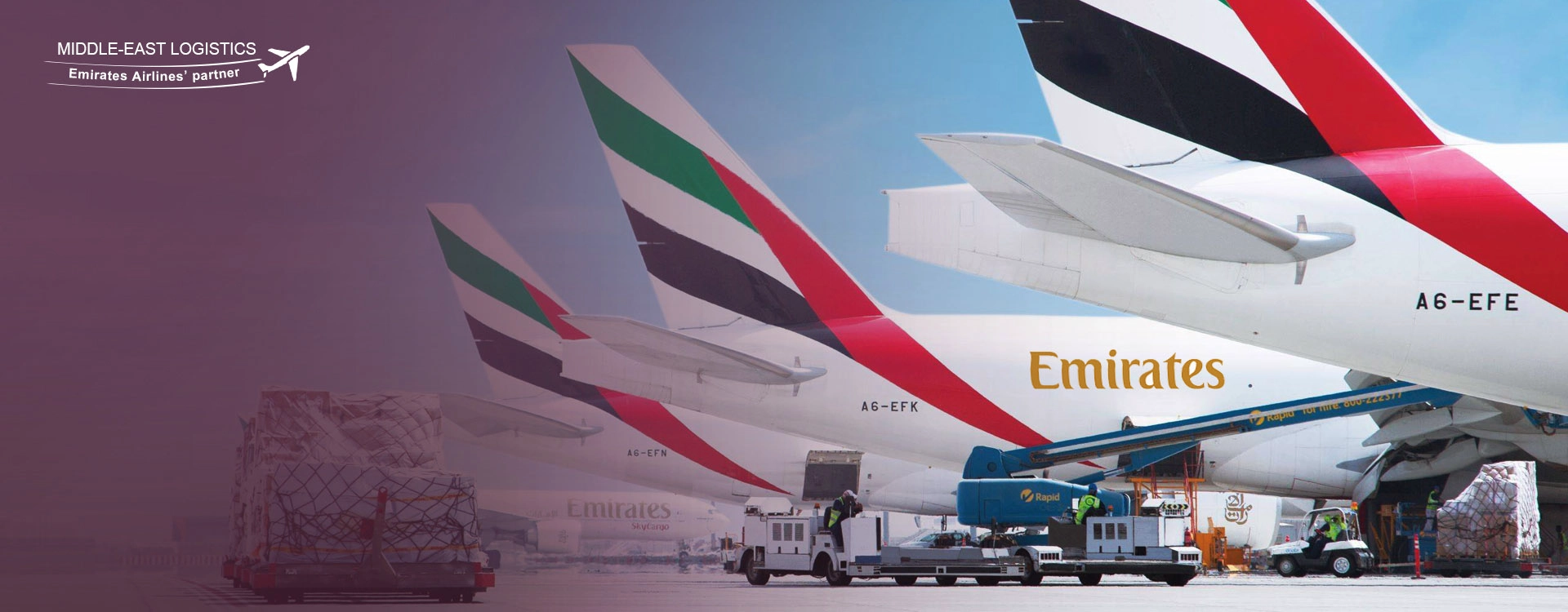
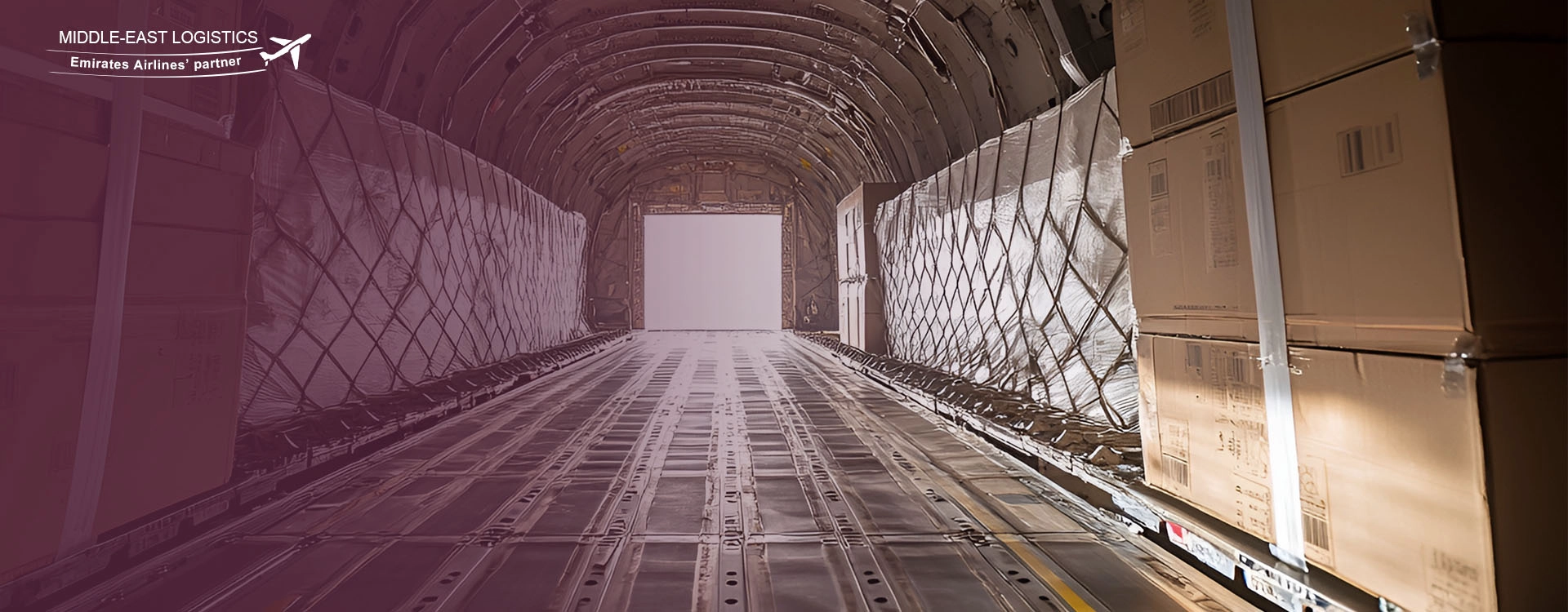
The main feature of first-class forwarders is that we buy fixed space directly from airlines. Take DL as an example: we have purchased space from 2 major airlines, totaling 20 unit load devices (ULDs) every week. Most other ordinary forwarders only get 2 or 3 ULDs per week. Our capacity is nearly 10 times that of average forwarders.
During the off-season, when cargo volume is low, the advantage may not be obvious. If you go to a small forwarder, they can still get space from us, so it seems almost the same.
But it’s a completely different story when warehouses are full and demand is high.
Ordinary forwarders either can’t get any space at all, or they have to go through several middlemen. Each layer adds extra costs, so the final price is much higher.
But as a first-class forwarder with pre-purchased space, we are not affected by these market changes. We always have guaranteed space, and our prices stay the same, because we have already paid the airlines in advance.
With our large business scale, resource advantages and stable cooperation, we take most of the shipping risks away from customers and greatly reduce the chance of cargo being rejected or delayed by airlines.
Airlines sometimes reject cargo due to route adjustments, weather conditions and other reasons.
In fact, there is a clear order when airlines decide which cargo to reject:
- Cargo from second or third-class forwarders with weak airline relationships gets rejected first.
- High-value goods like chips and medical equipment come next.
- Only as a last resort will airlines consider rejecting cargo from direct forwarders like us.
After all, we are major long-term partners, so maintaining good relationships is very important to them.
However, first-class forwarders also have disadvantages.
For example, when handling customized orders for air freight to UAE, we are not as flexible as smaller forwarders.
Now let’s talk about second-class forwarders.
Second-class forwarders cannot book space directly with airlines. They have to get space and resources through first-class forwarders.
This extra step adds another layer of cost, so their prices are naturally higher.
The advantage of second-class forwarders is flexibility. They are better at handling personalized and special requests. If you need special services, they can usually meet your needs, but the price will be a little higher.
So when you choose a forwarder for air freight to UAE, you should choose based on your own cargo.
- For large, stable and regular shipments that focus on cost performance, a first-class forwarder is the better choice.
- For shipments that need personalized or special services, a second-class forwarder can be a good option.[learn more]
I hope the information above helps you make better choices and avoid unnecessary detours when shipping via air freight to Middle East, air freight to UAE and air freight to Dubai.
Case 3
How to Avoid Looking Like a Newbie When Choosing a Freight Forwarder for Air Freight to Middle East
Do you know how to avoid looking like a total beginner when you talk to a freight forwarder for the first time? Don’t worry. I’ve prepared a few questions for you. Once you ask these, the forwarder will know you’re not easy to fool.
1. The forwarder will ask if your company has import and export rights.
If you do, you can ship normally.
If you don’t, no need to be nervous. You can use a qualified freight forwarder for air freight to Middle East or a foreign trade company as your agent.
Just make sure you know this in advance. Answer confidently, so they think you’re an expert.
2. Where your goods depart from, and which country and port they go to.
For example, if your goods are in Dongguan, you will ship from Guangzhou or Shenzhen.
Make sure you know:
- Is the destination UAE or Saudi Arabia?
- Do you want door-to-door or port-to-port service?
- If door-to-door, what is the exact address?
3. What kind of goods you are shipping, and if there are any special items.
For example:
- If there are wooden products, you need commodity inspection.
- If there are dangerous goods, you need two certificates and one report, plus other detailed documents.
Some goods cannot be consolidated or mixed. If the forwarder knows all this in advance, they can arrange reliable shipping channels for you.
When it comes to dangerous or sensitive goods for air freight to Middle East, be very careful.
Many small forwarders offer high prices to collect goods, then secretly mix them with general cargo, falsely declare the product name, or fake inspection reports to make more money.
So you must choose a reliable forwarder.
What kind of forwarder is reliable? Take our company DL as an example.
We are among the top 5 freight forwarders for air freight to Middle East.
Large forwarders like us operate legally and make profit from large-volume project cargo.
We will never take risks with illegal operations.
There are about 60,000 freight forwarders in Shenzhen, and over 1,000 focus on air freight to Middle East.
More than 95% are just trading companies with no real assets.
They only book space after getting orders, and disappear when problems happen.
Even the better ones only have 2 or 3 pallet spaces per week.
But DL has long-term contracts with 2 major airlines, securing 20 pallet spaces every week — 10 times more capacity.
We pay for these pallets whether we have cargo or not. That shows our real strength.
4. Details of your goods and packages.
- What goods?
- What type of boxes?
- How many pieces?
- What’s the weight?
- Does it contain batteries, magnets, liquids, etc.?
Volume and weight greatly affect the forwarder’s cost calculation.
So know your cargo dimensions in advance.
5. When you plan to ship, and how many days you need for transit time.
Some airlines have unstable schedules.
If you have strict delivery deadlines, you need more reliable airlines like EK.
Only when the forwarder knows your exact schedule can they arrange the right airline and pallet space for you.
After going through all these points, the forwarder will have full details of your shipment.
They will recognize you as a professional, not a newbie.
In most cases, they will be more likely to offer you a good price.[learn more]
|